Works
A selection of works from the collection of the artist’s family, arranged in chapters that follow his life from Kharkiv and Kyiv to Jerusalem, Paris and Japan.
90 works · Where the artist’s own title is not known, a descriptive title is used.
- The Architect’s Eye1954–1963
- Armenia and Dagestan1970s–1987
- Objects and Geometry1970s–1989
- Old Russia and St Petersburg1980s–1989
- Light from Within1977–1992
- Antiques1991–1998
- Israel: Desert and Sea1992–2008
- Experiments1997–2001
- Tangle of Underground Jerusalem2000s
- Mountains, Snow and Water1980s–2009
- Display Windows2004
- Paris2004–2005
- Japan2009
1954–1963
The Architect’s Eye
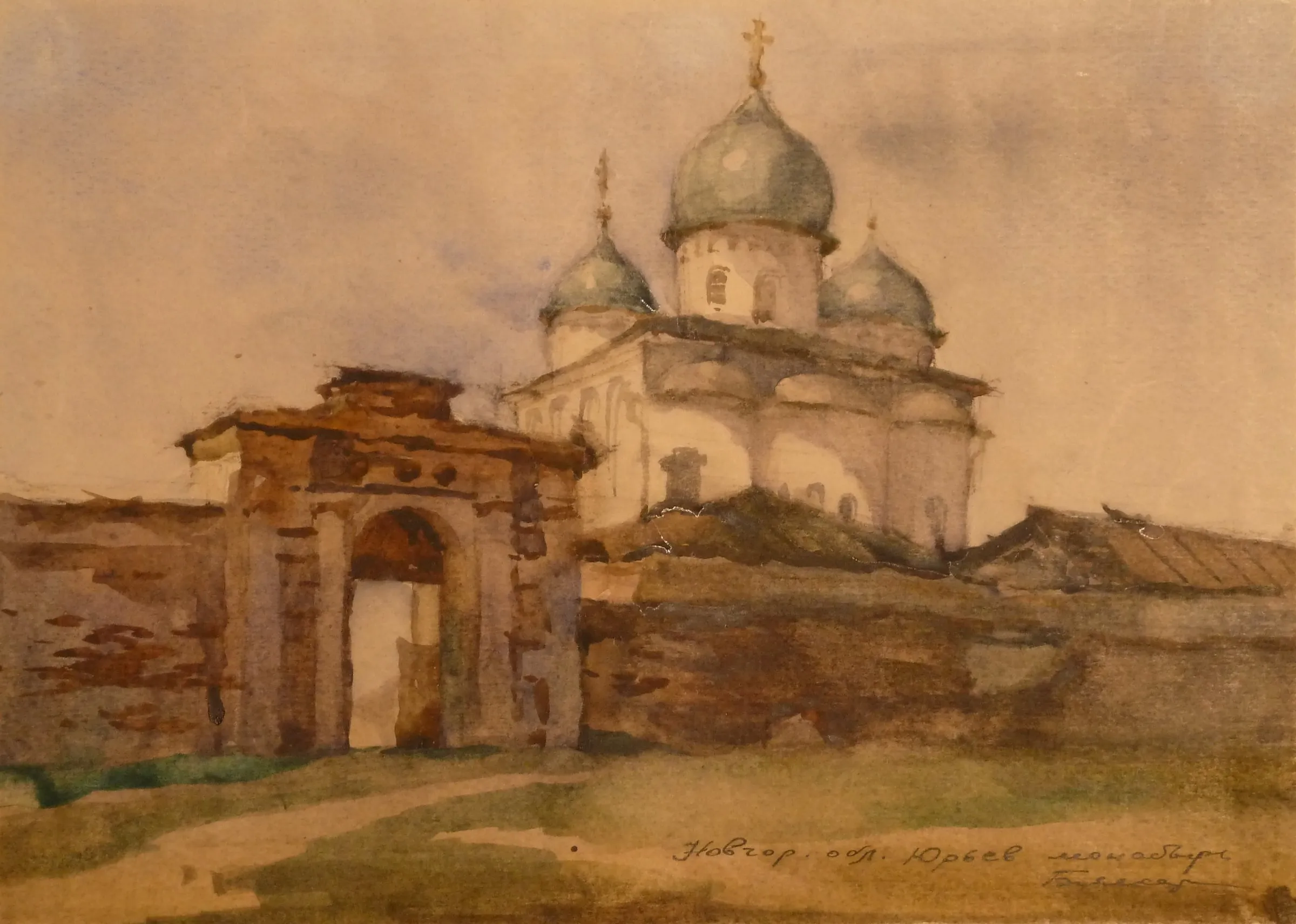
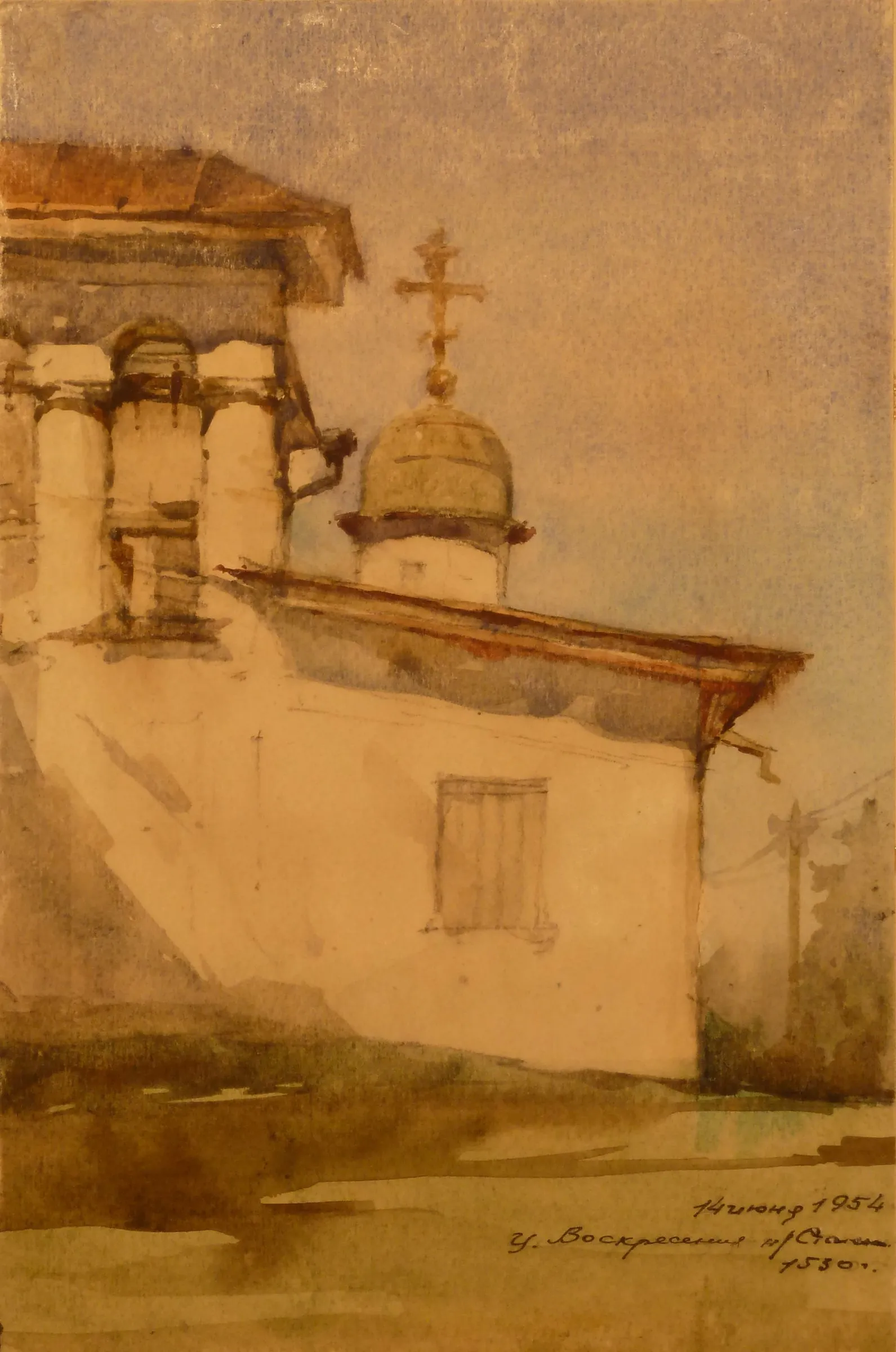
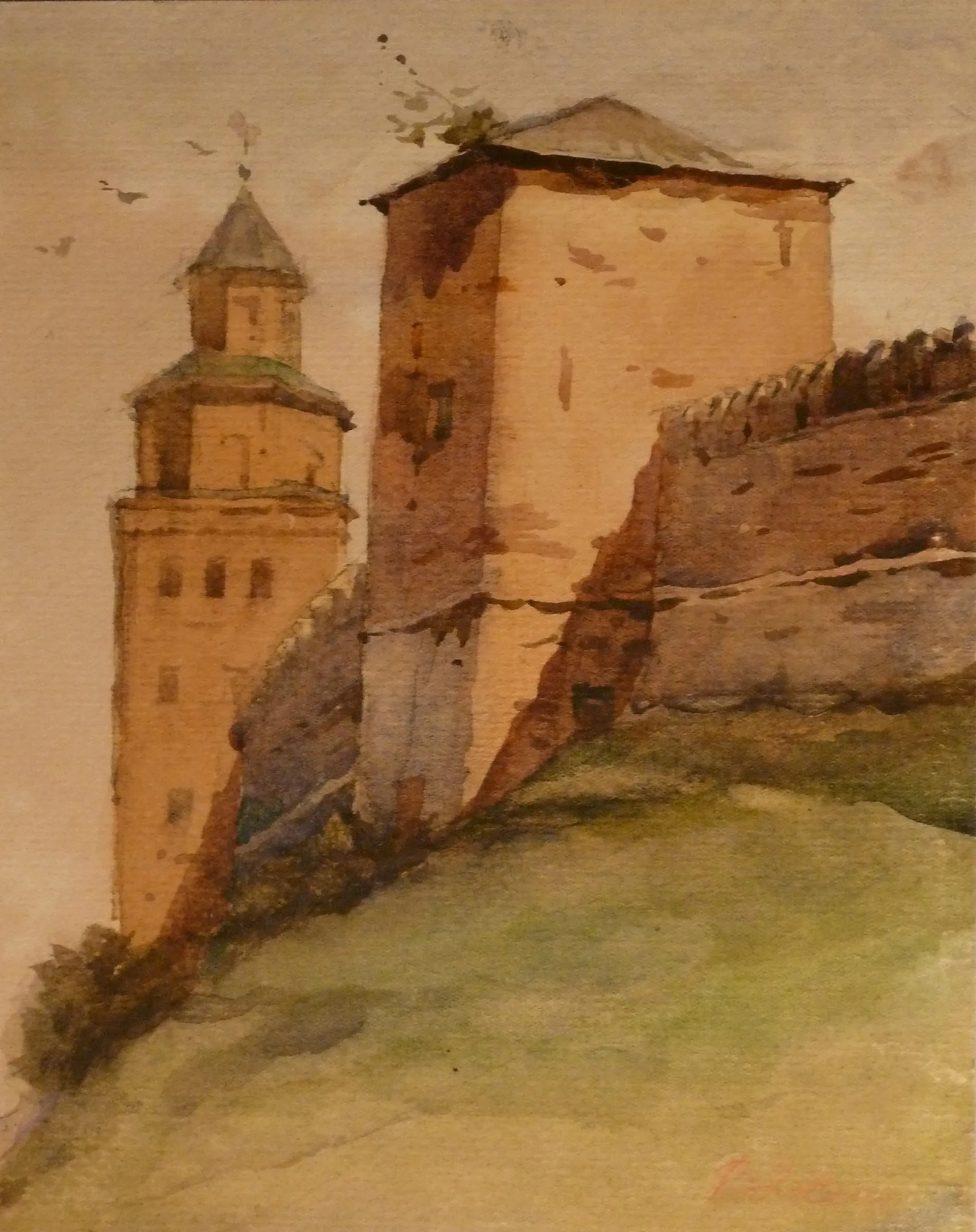
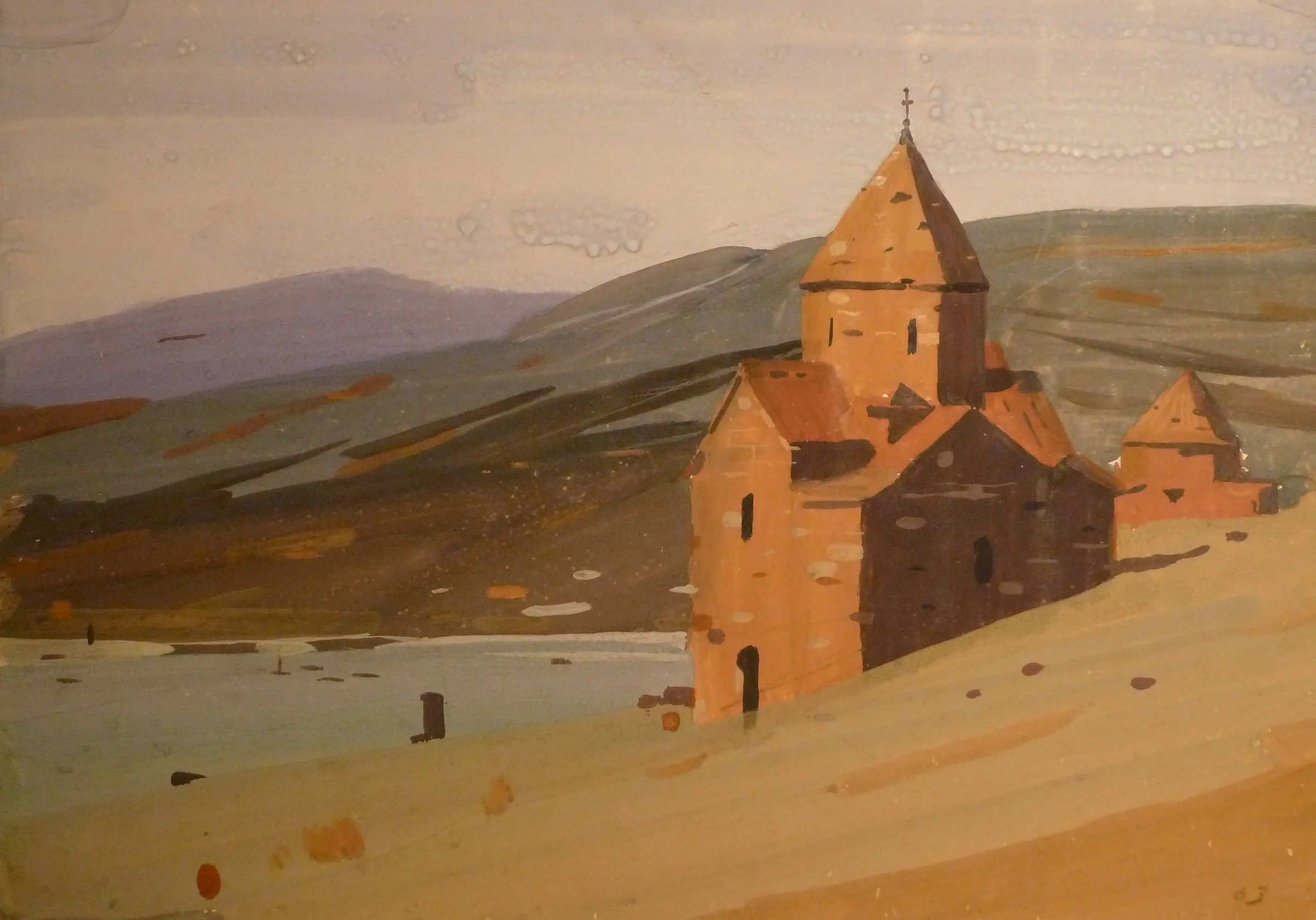
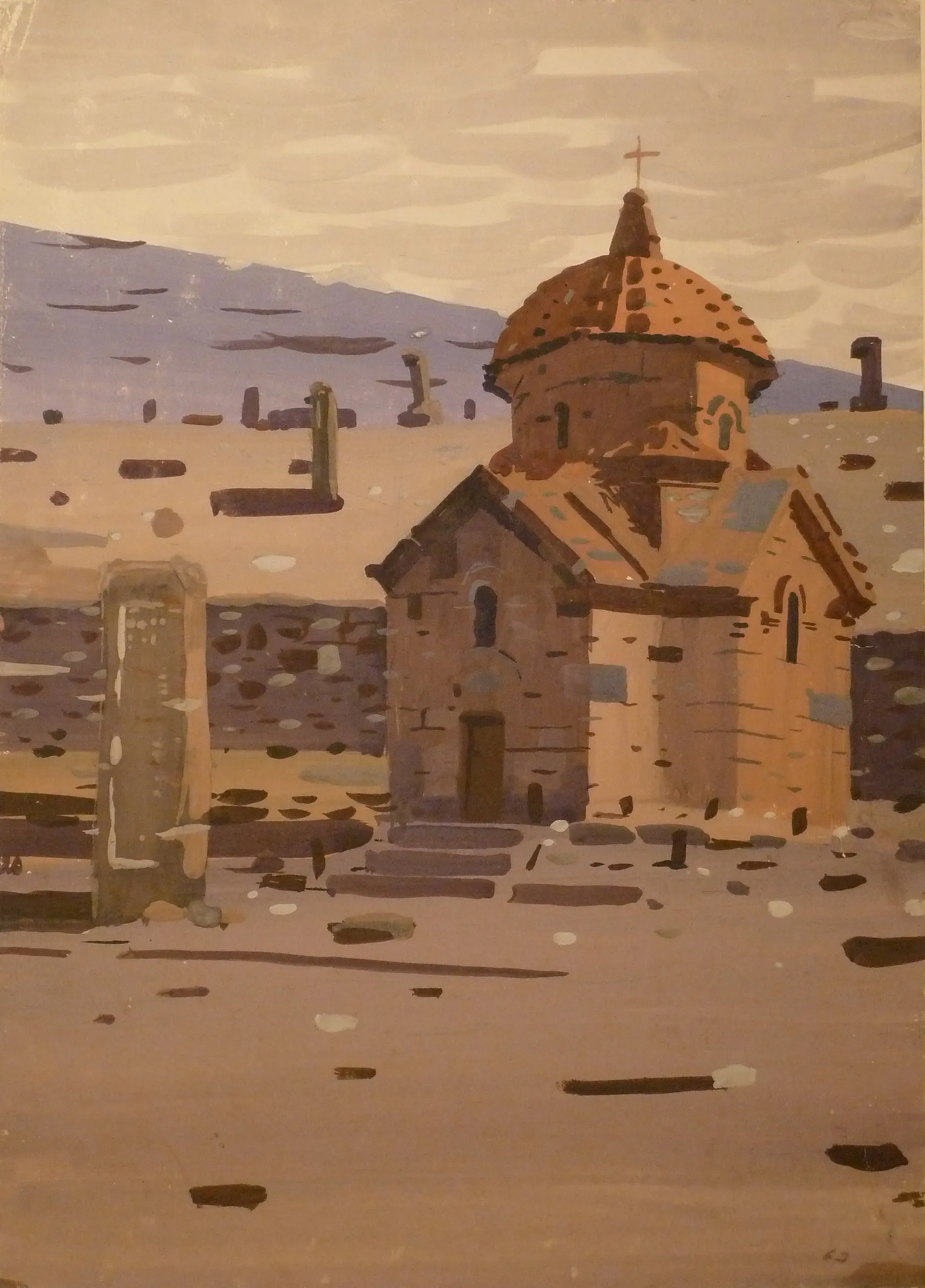
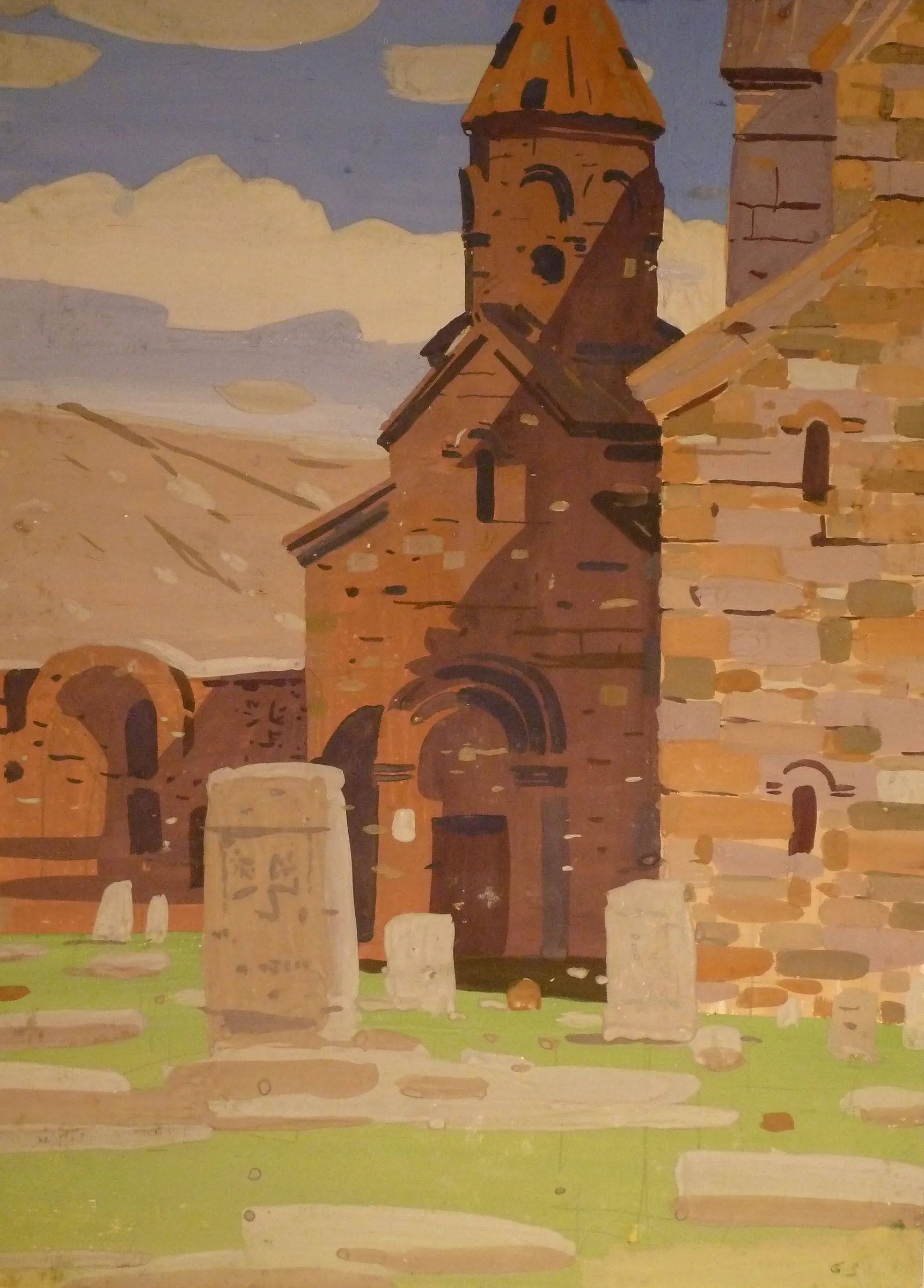
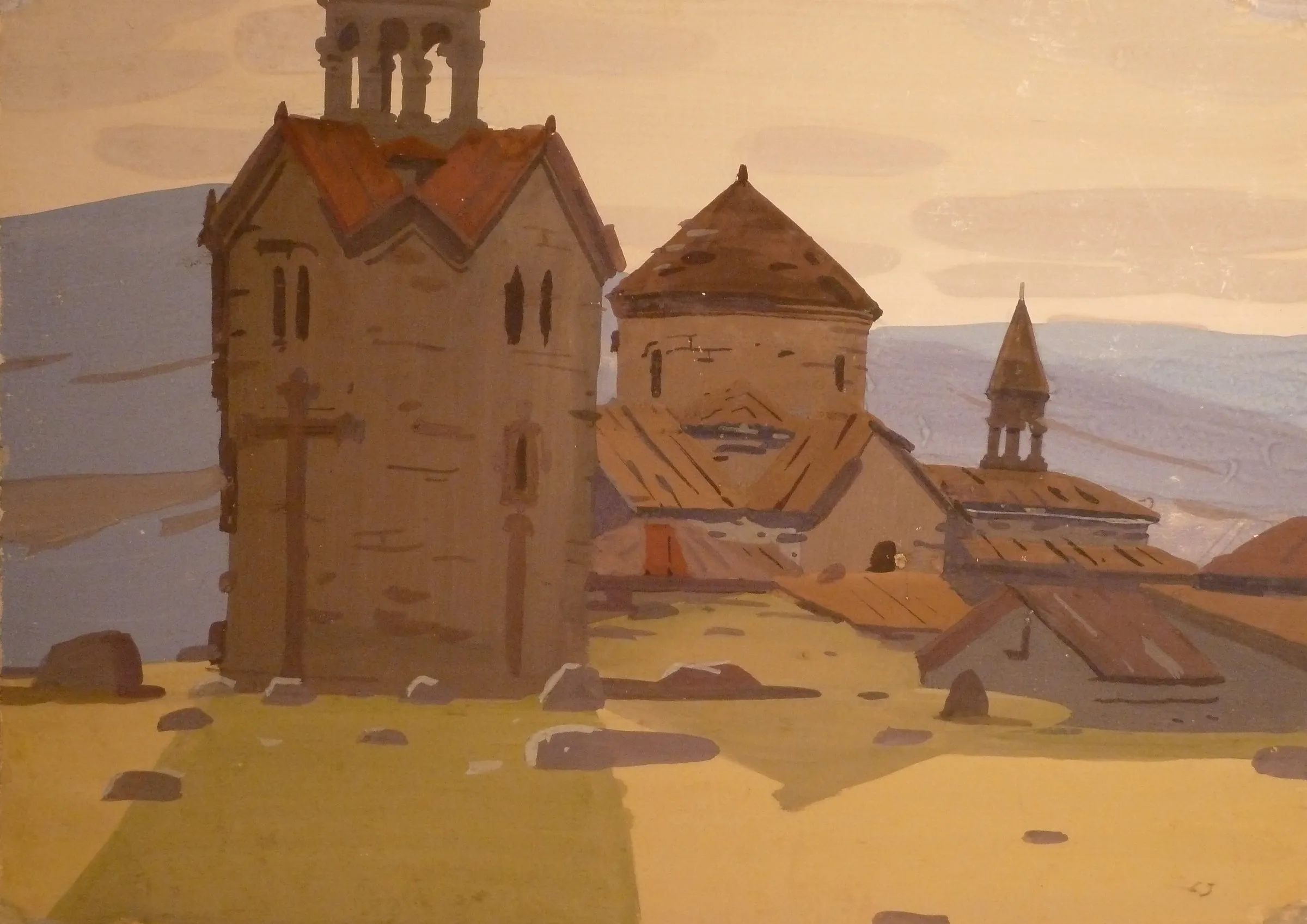
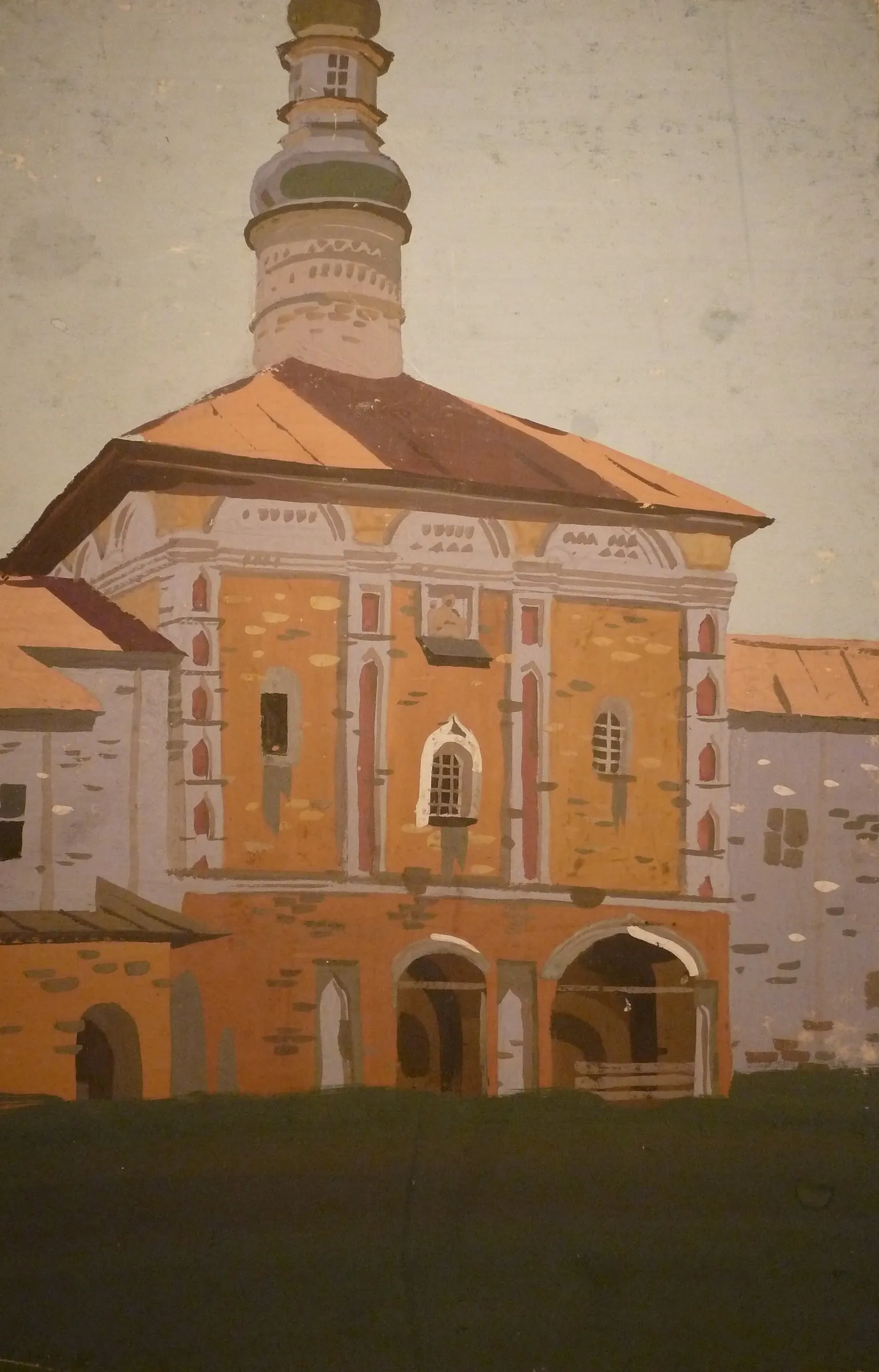
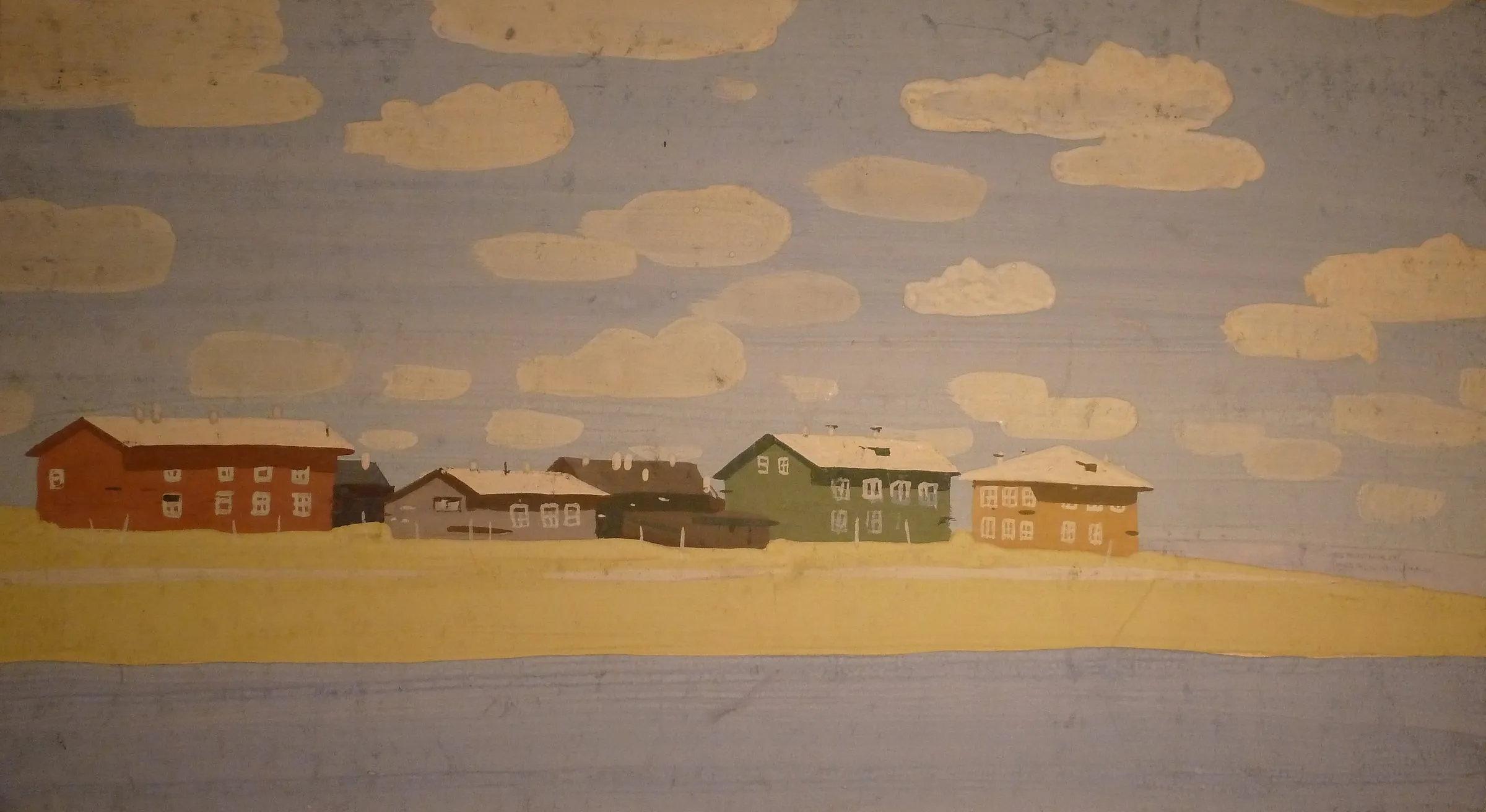
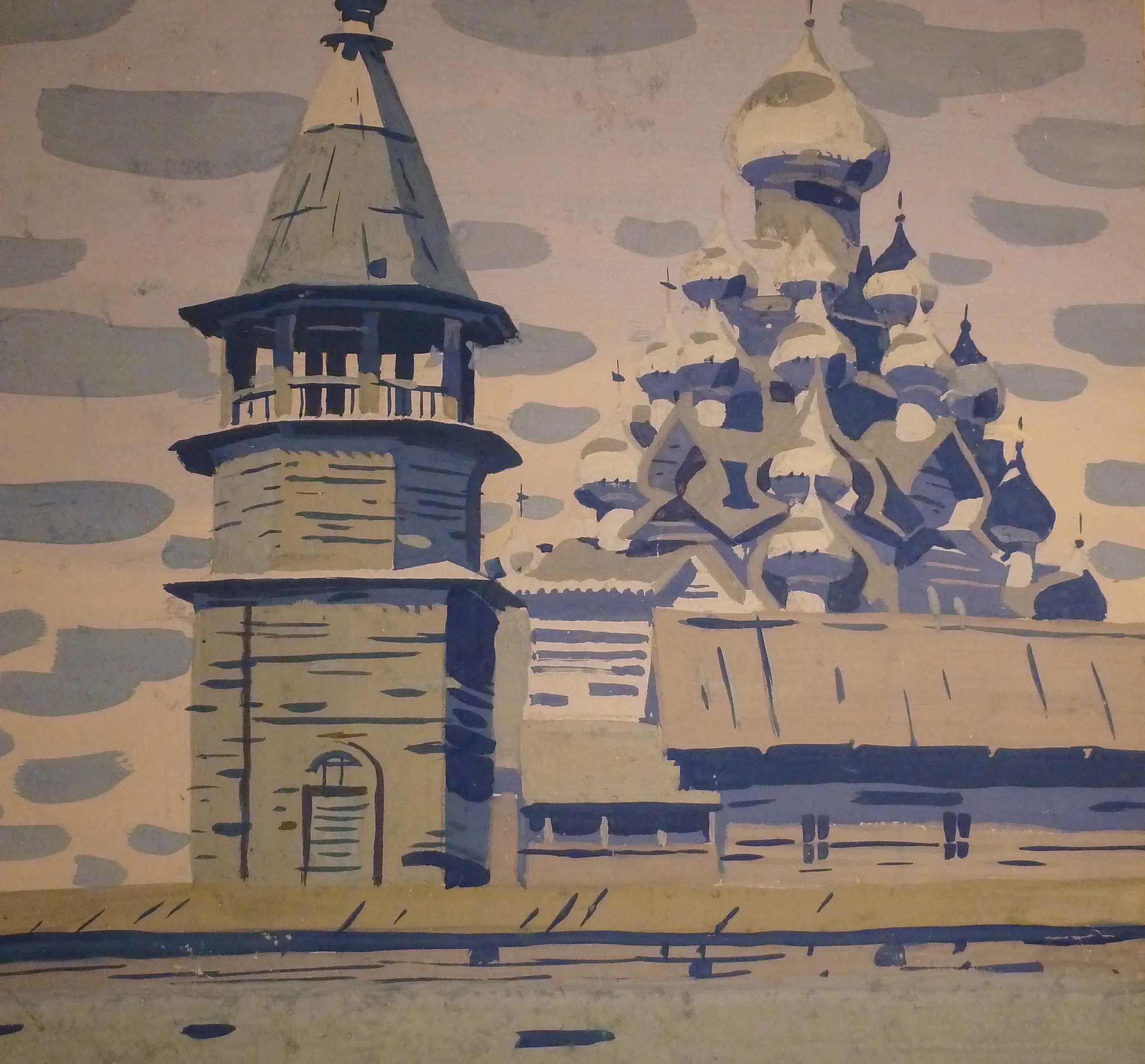
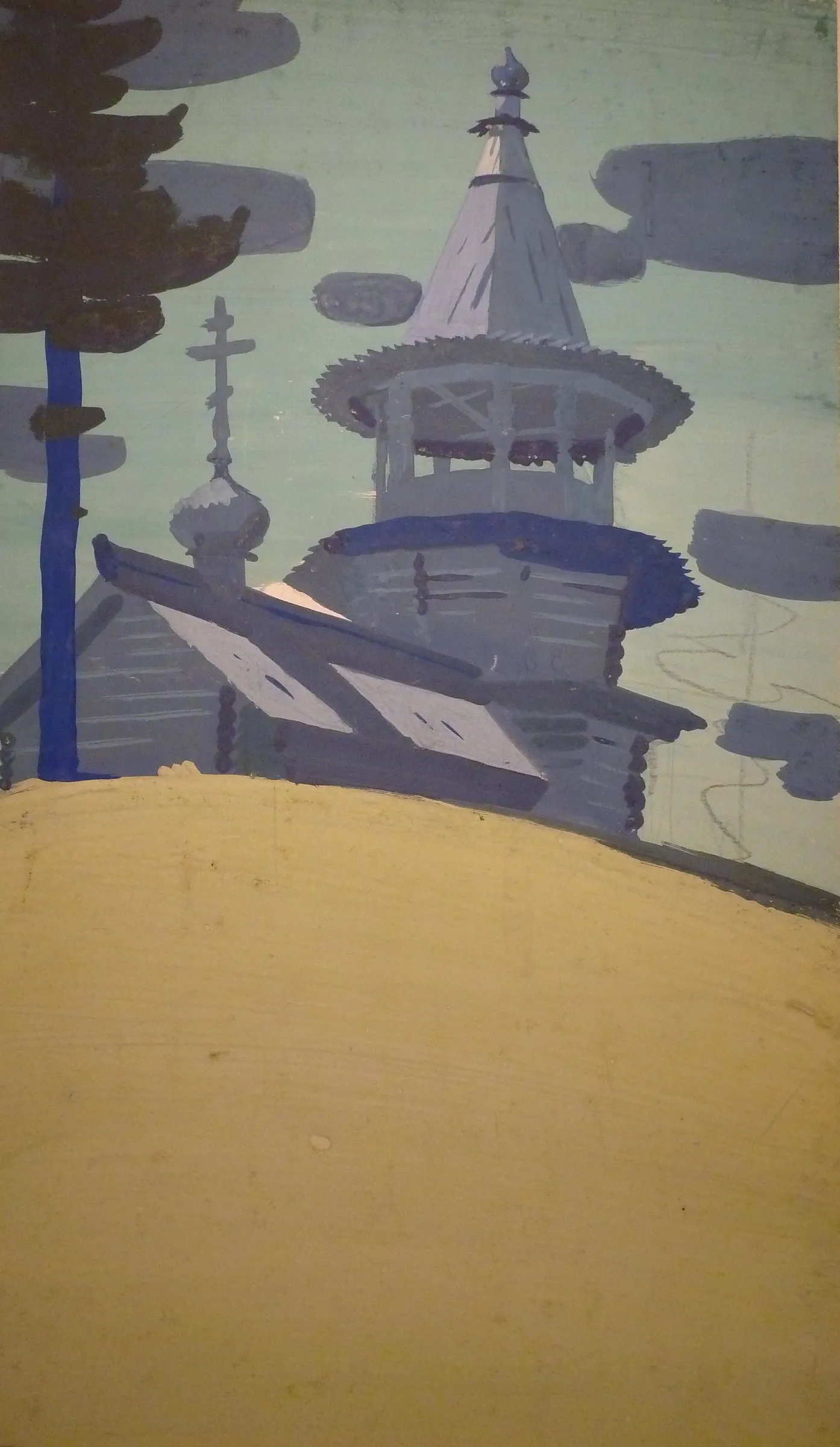
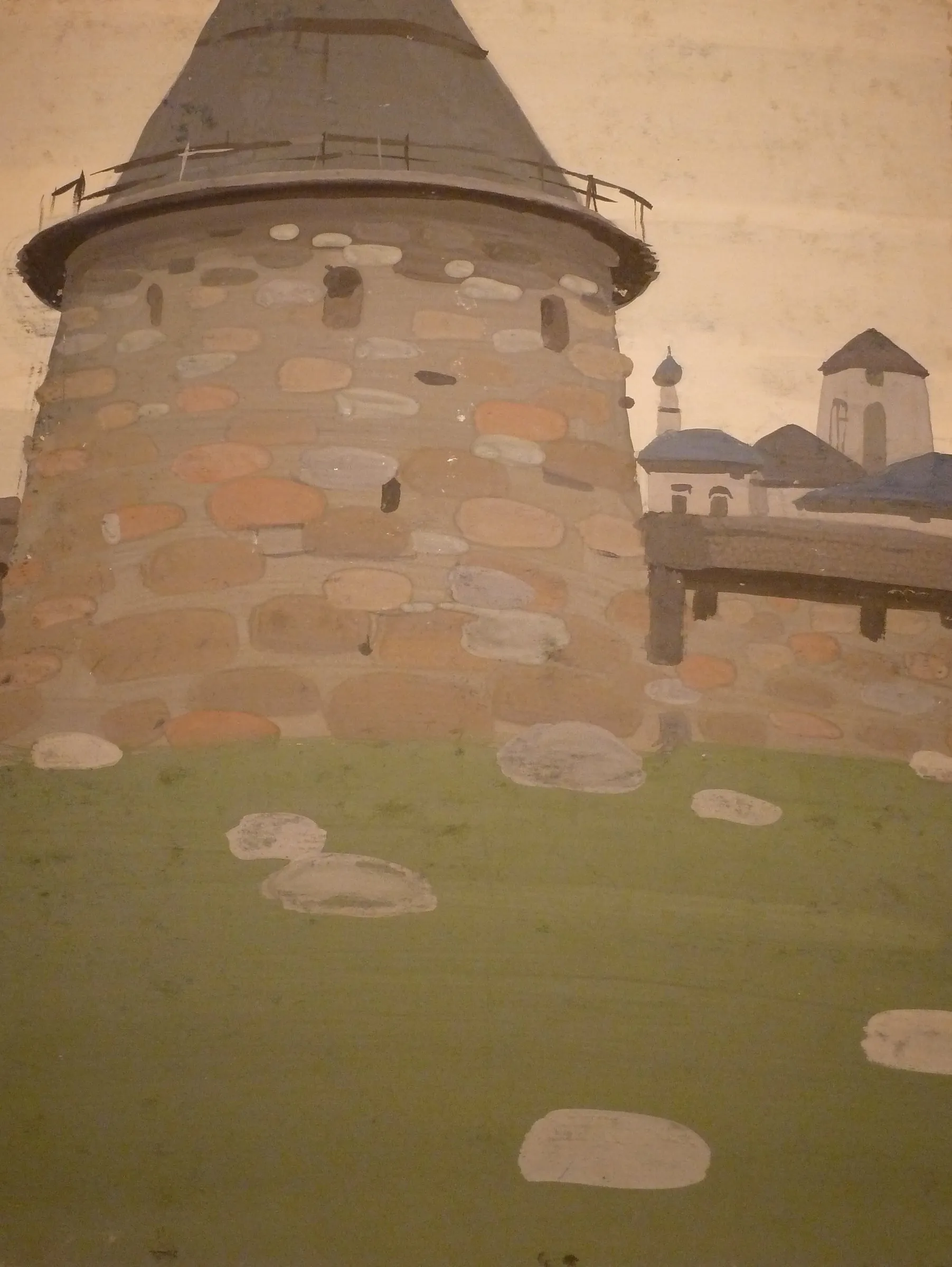
Lekar trained as an architect in Kharkiv. His earliest surviving works are precise watercolor studies of old churches and fortresses in Novgorod and the Russian North (1954). They were followed in 1963 by a series of temperas: Kizhi, the Solovki fortress, Armenian churches, all reduced to flat, luminous planes of color.
1970s–1987
Armenia and Dagestan
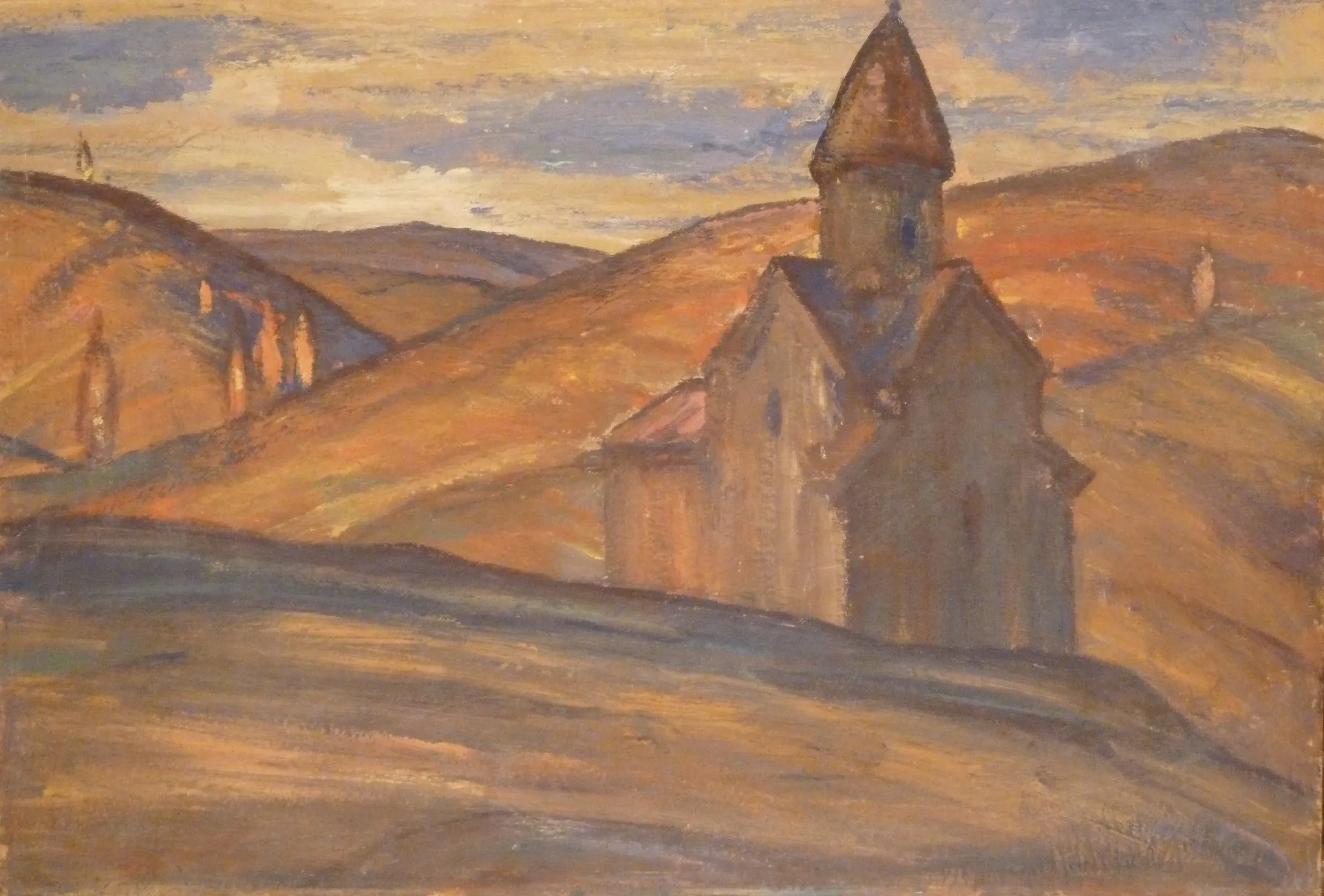
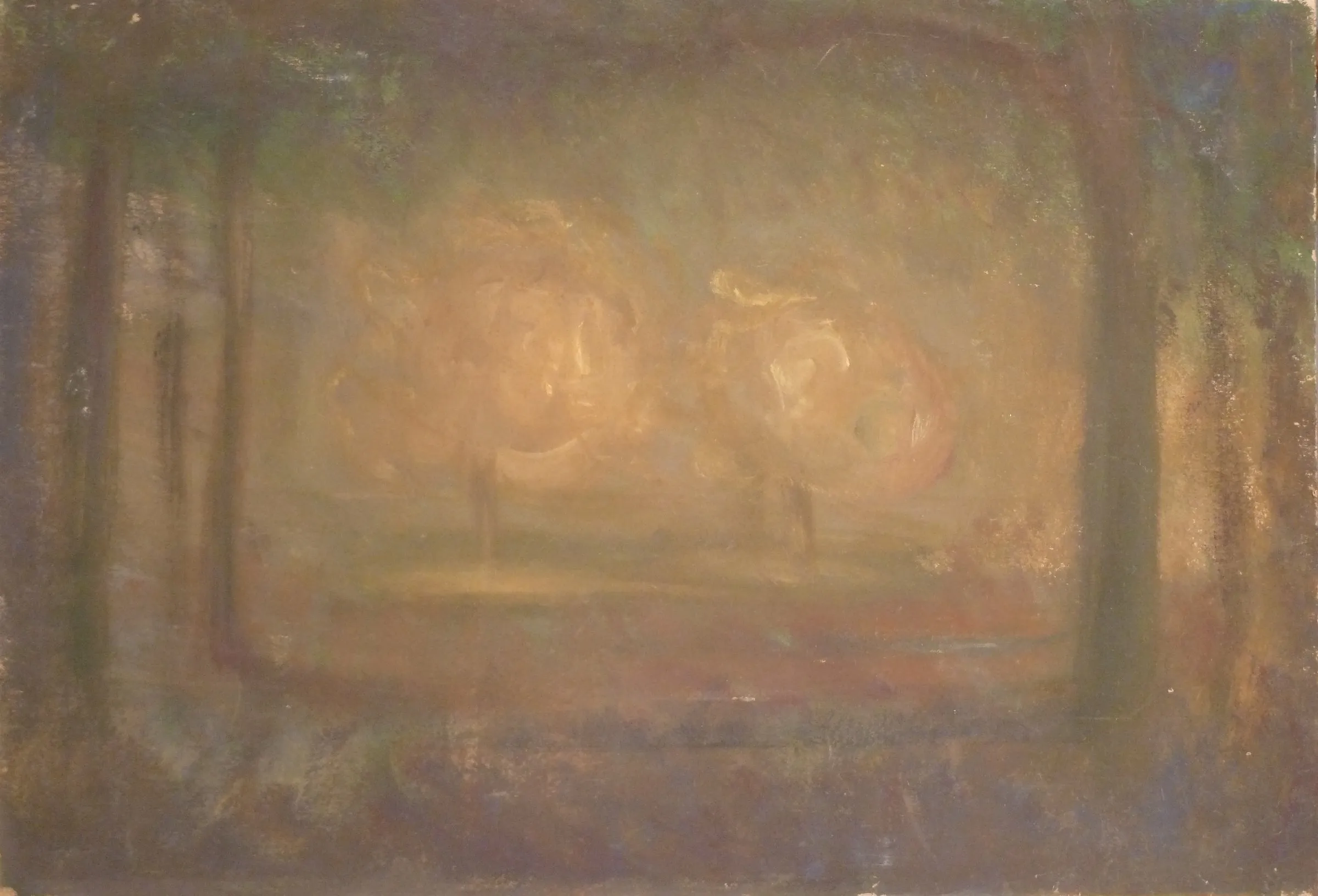
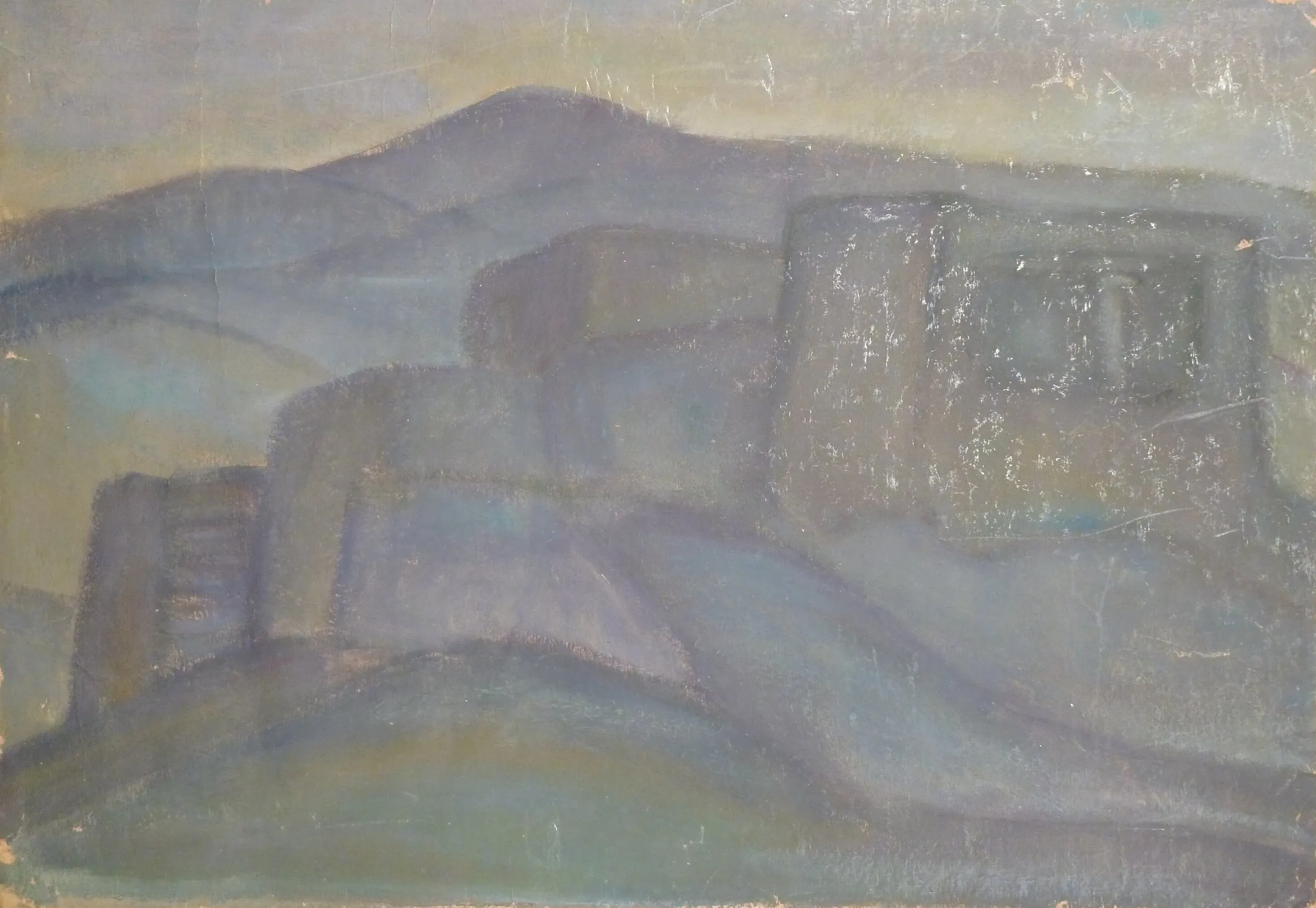
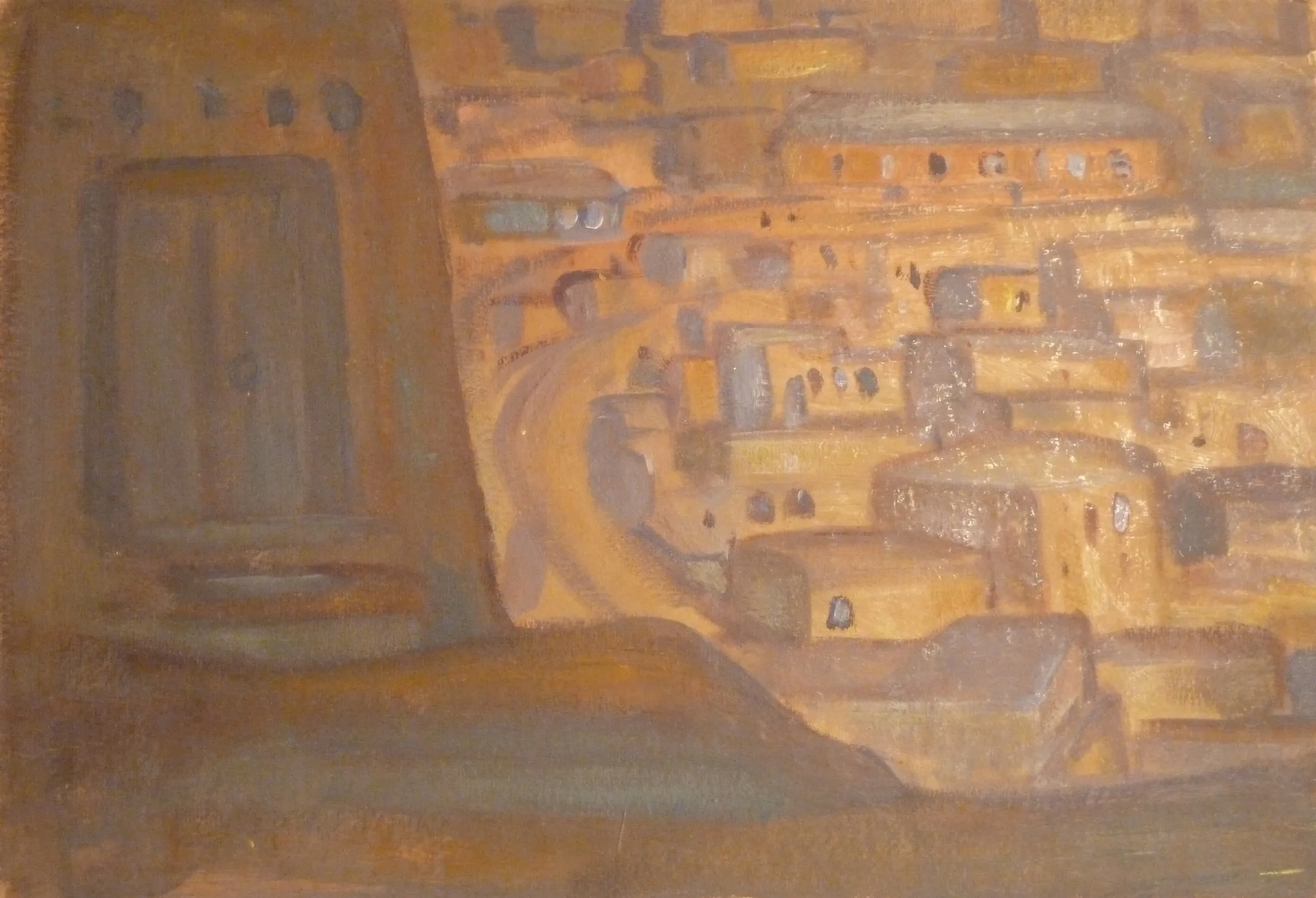
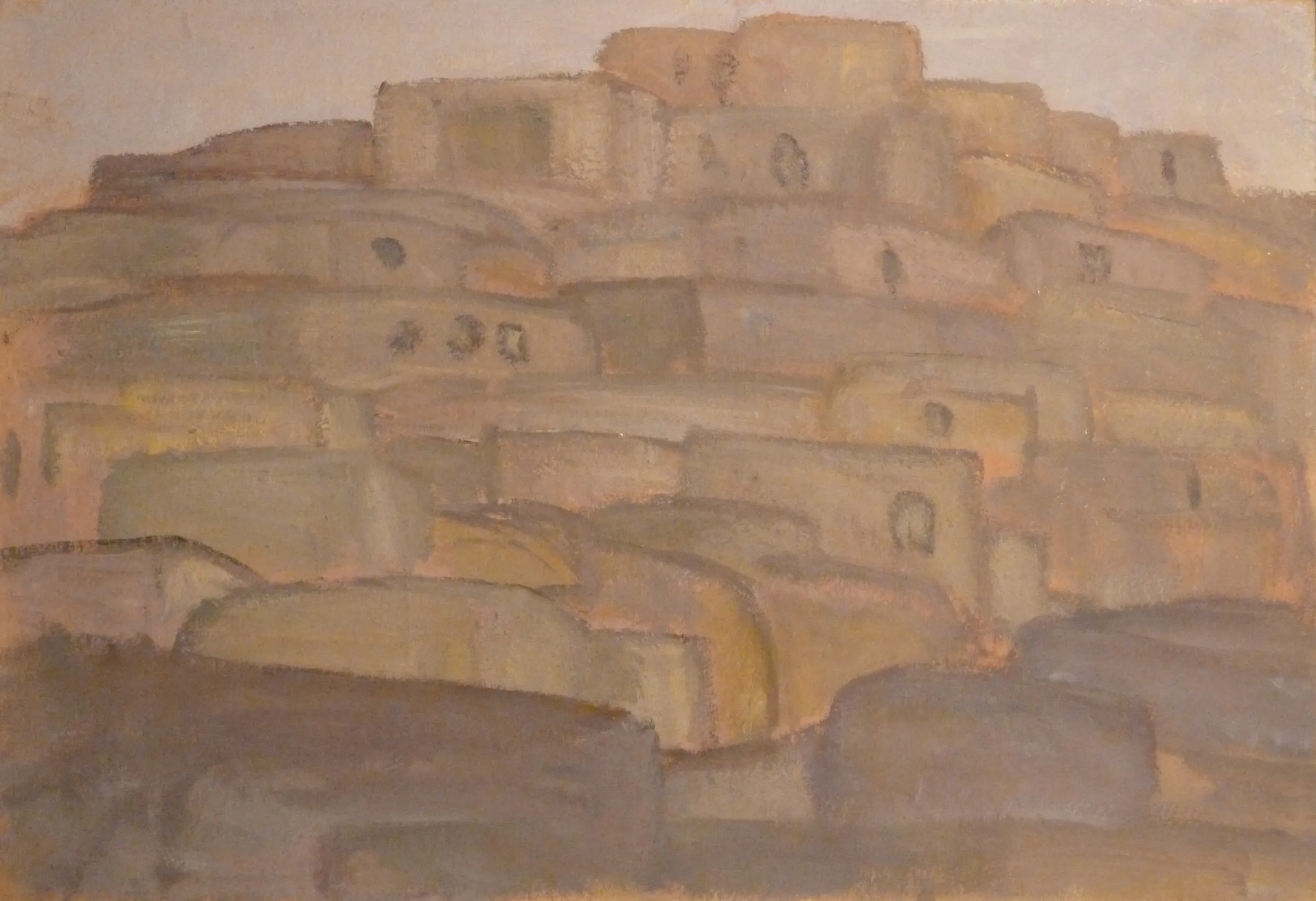
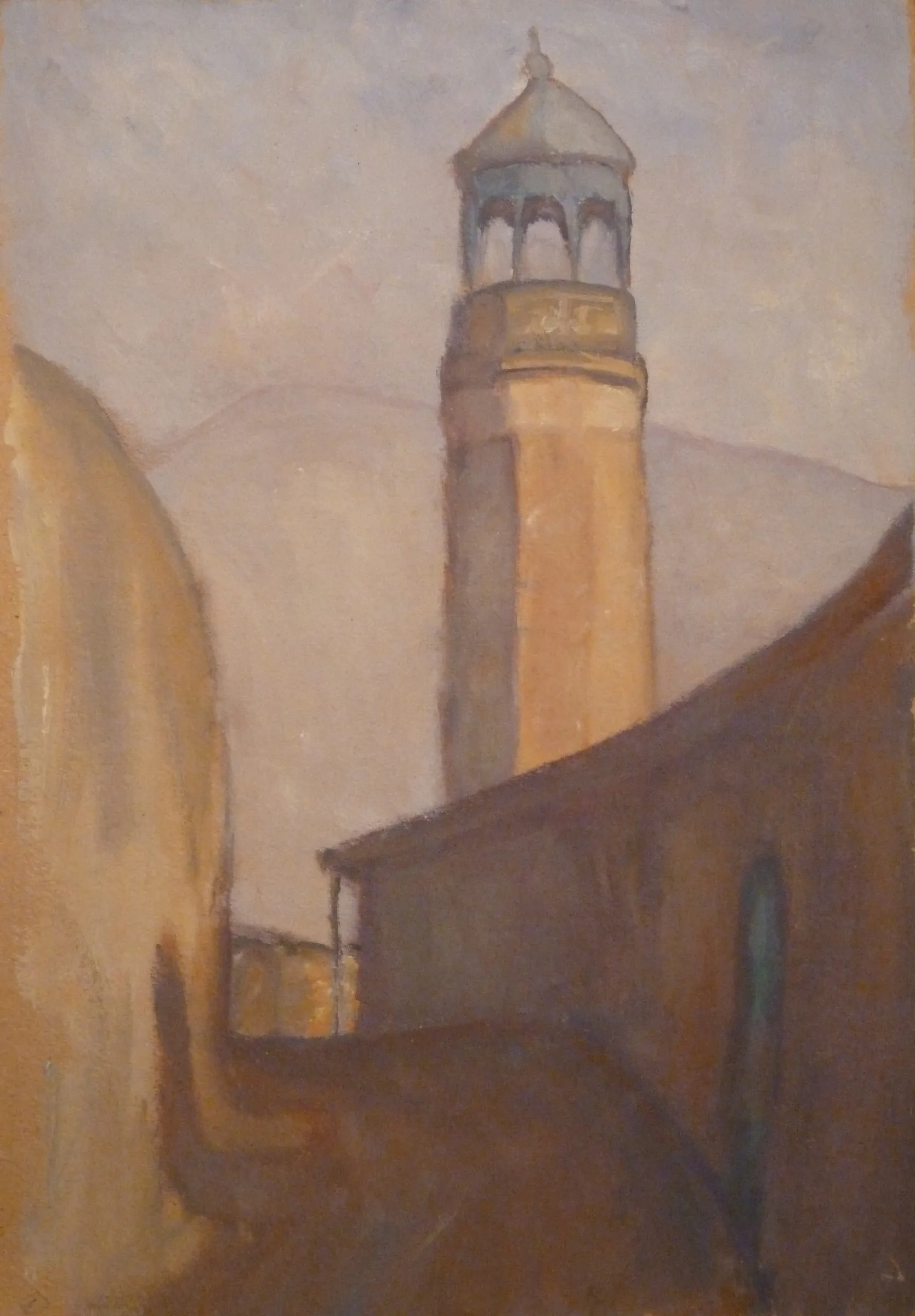
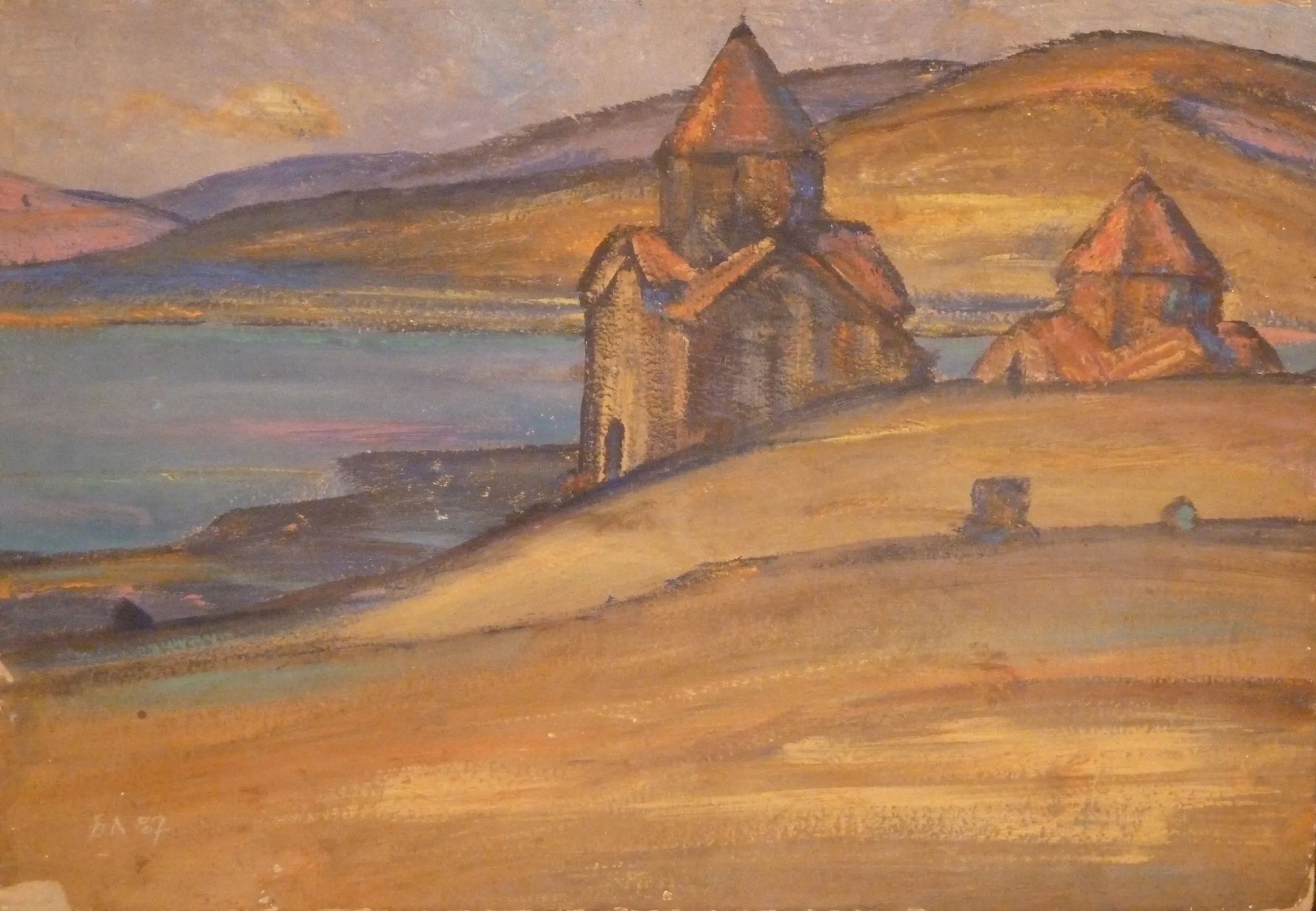
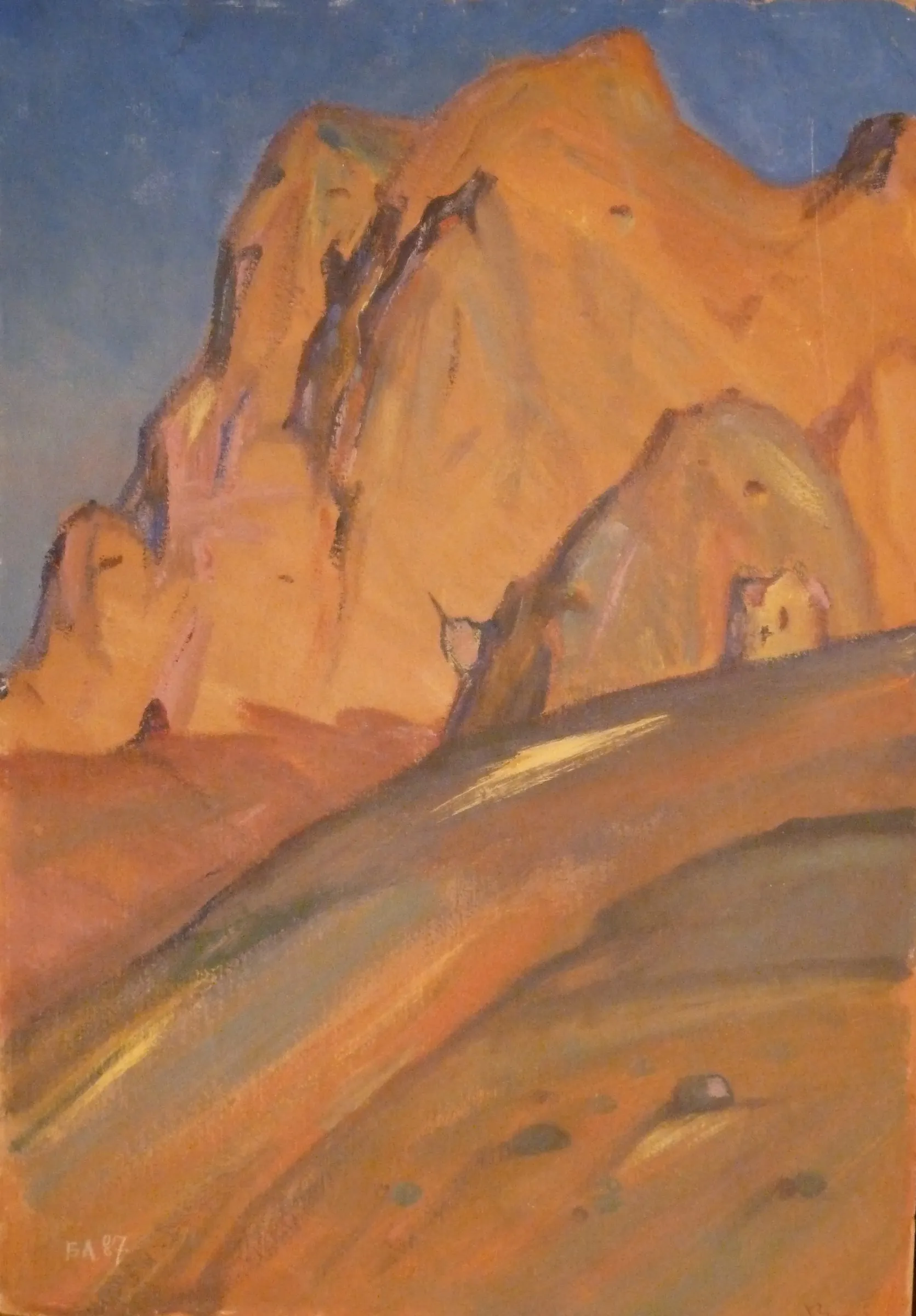
In the mountains of Dagestan and Armenia he painted villages as architecture: stacked masses of stone and clay, minarets and churches set against the hills. Already here, in works such as Light Among the Trees, light begins to come from inside the picture.
1970s–1989
Objects and Geometry
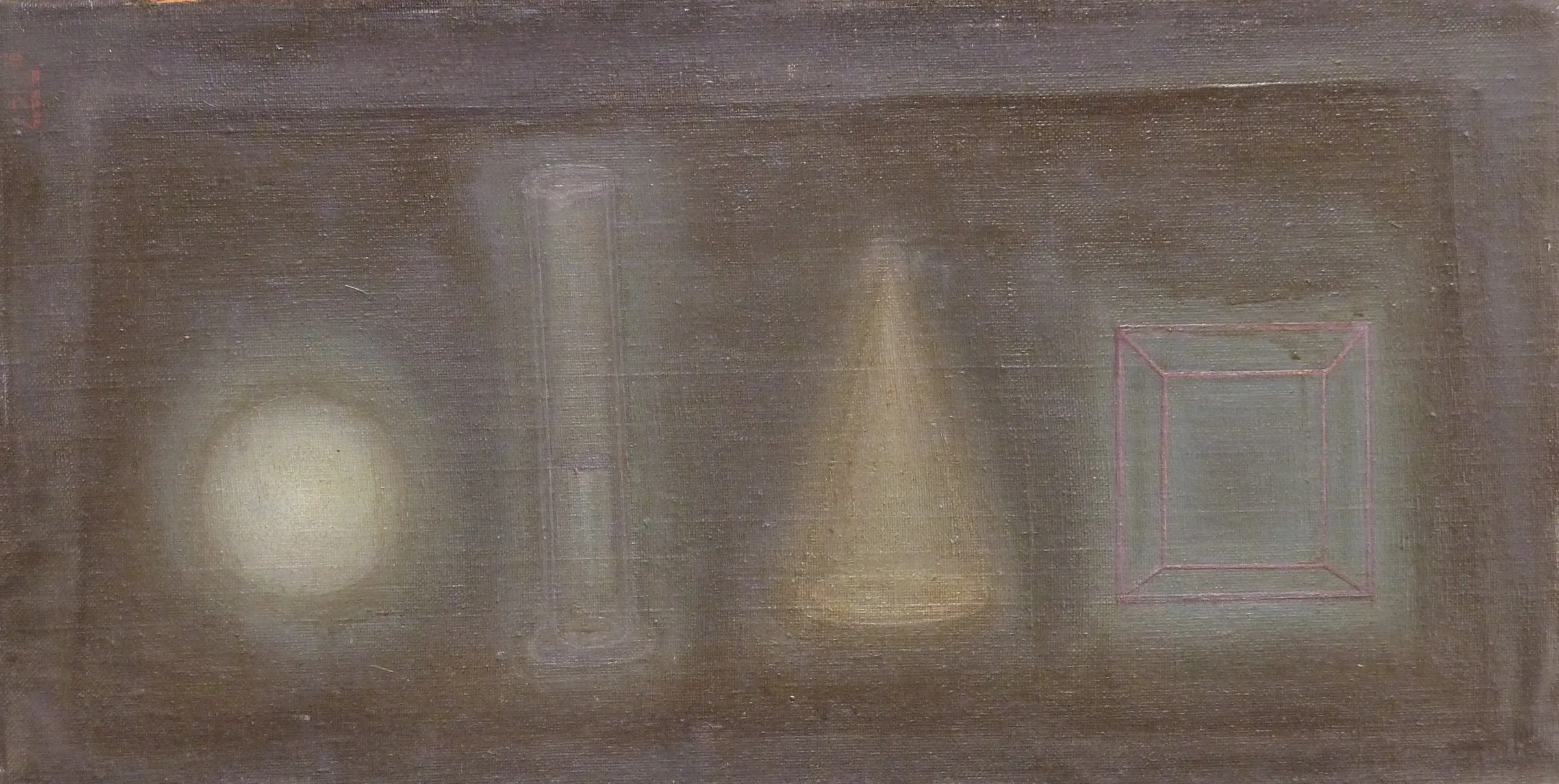
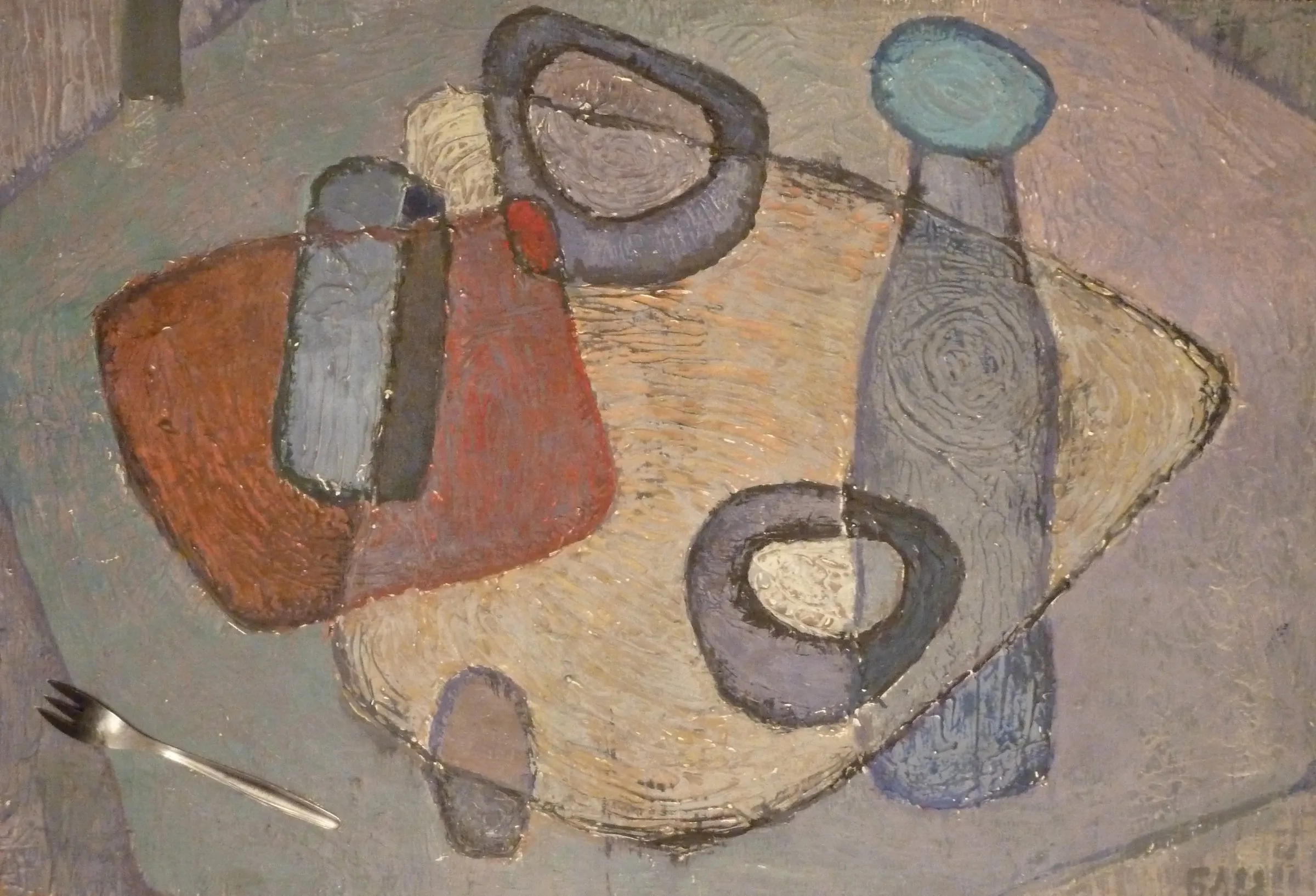
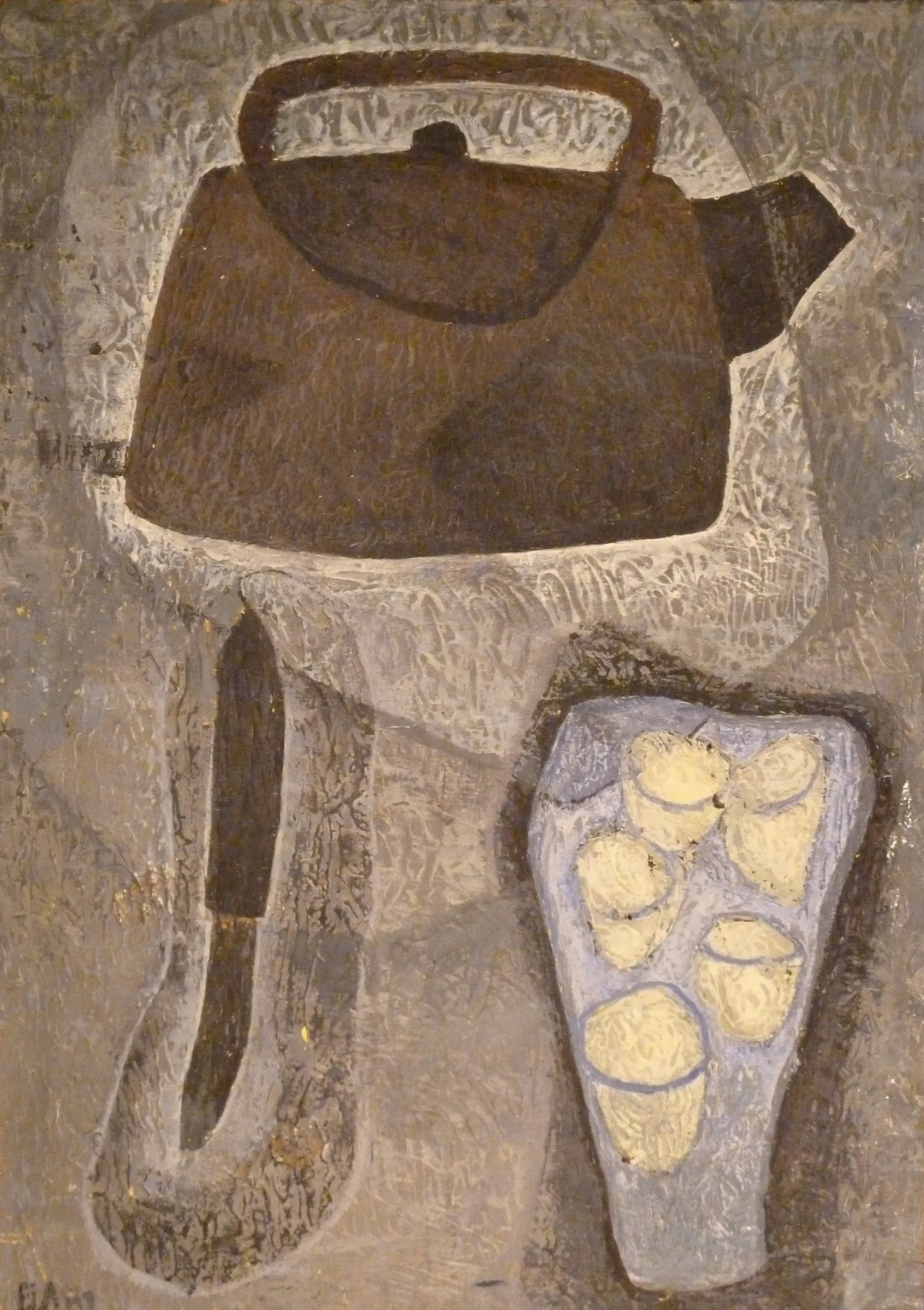
Still lifes in which a kettle, a glass or a fork become exercises in form, and a painting of pure solids: sphere, column, cone and cube, the basic vocabulary of an architect.
1980s–1989
Old Russia and St Petersburg
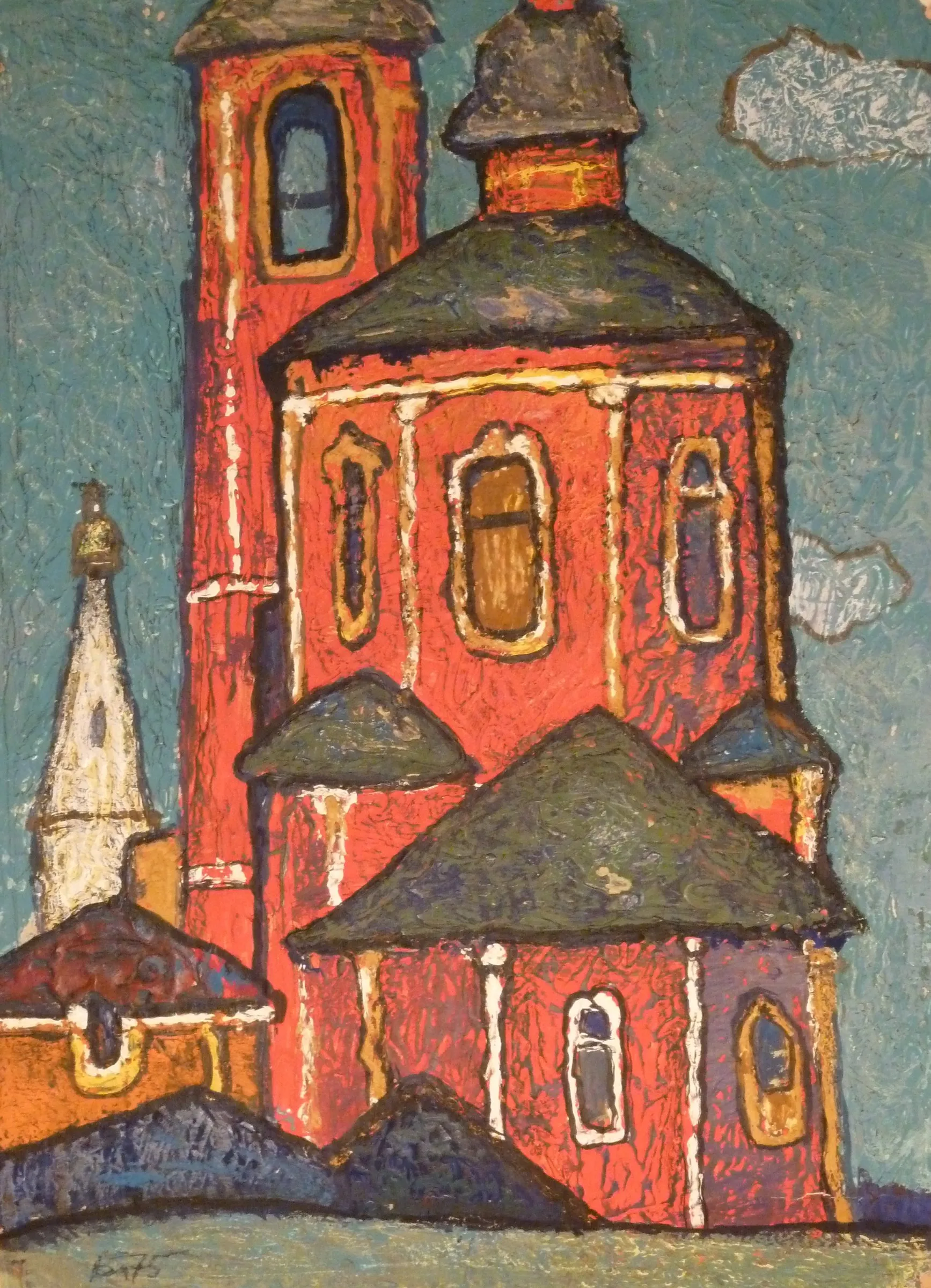
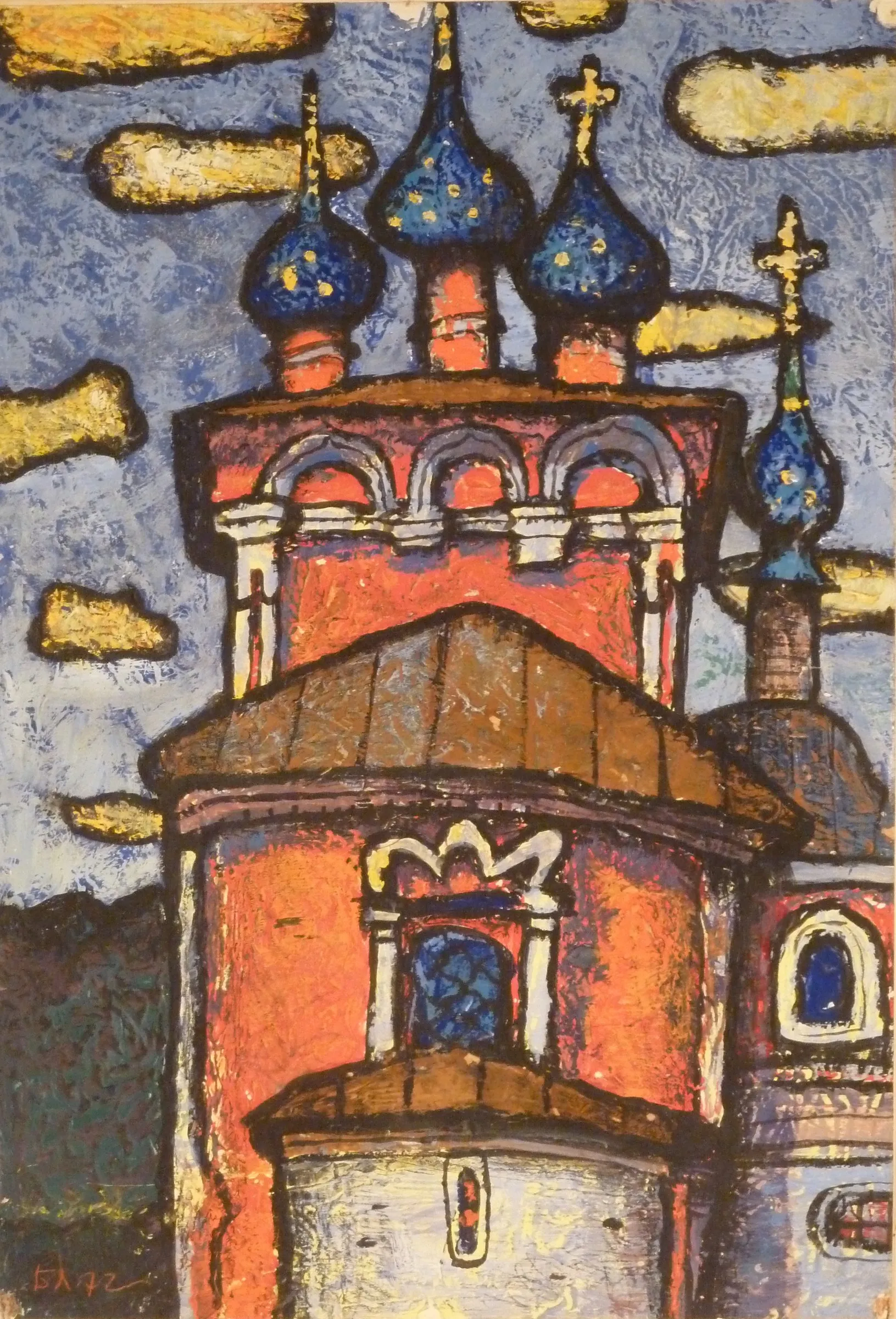
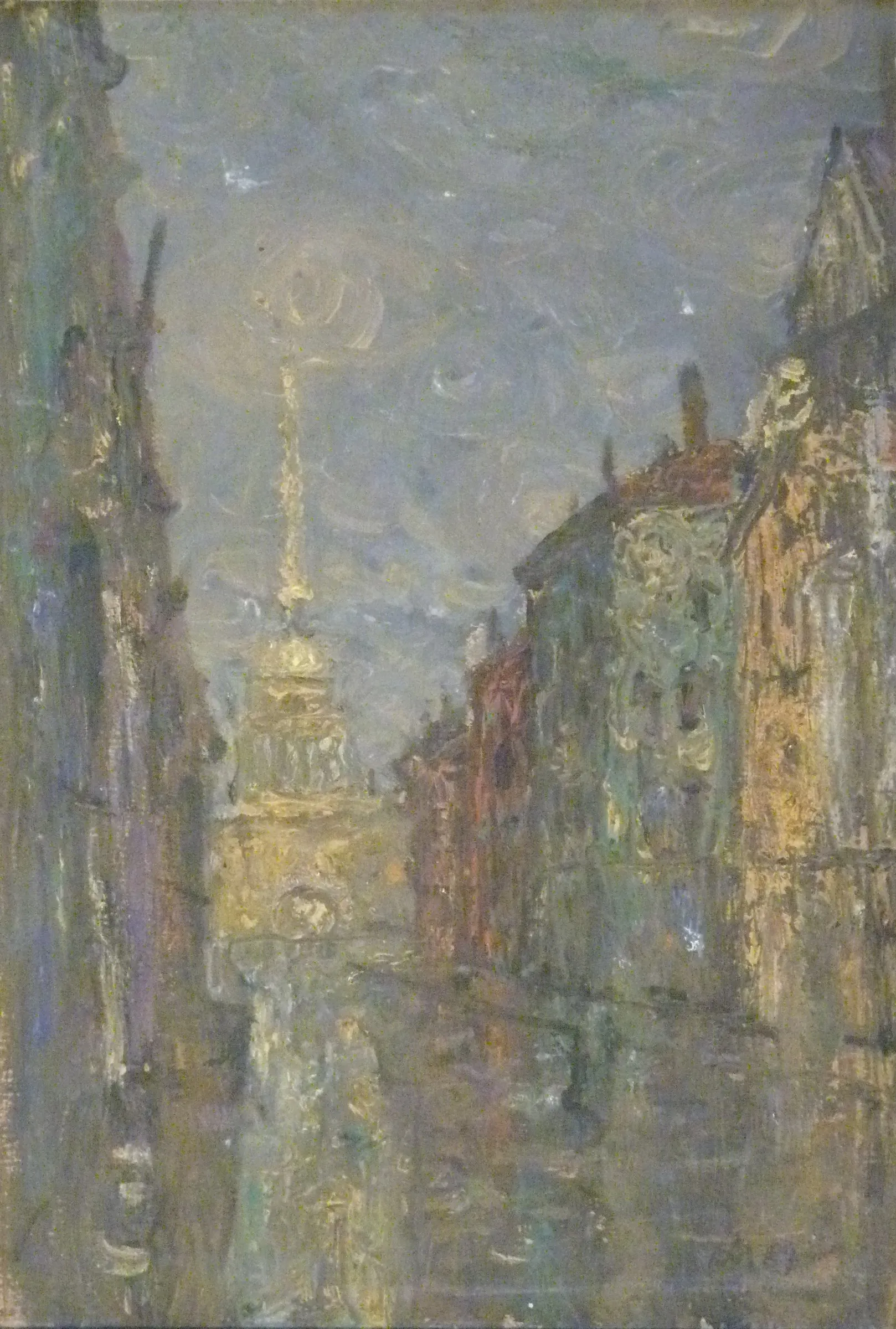
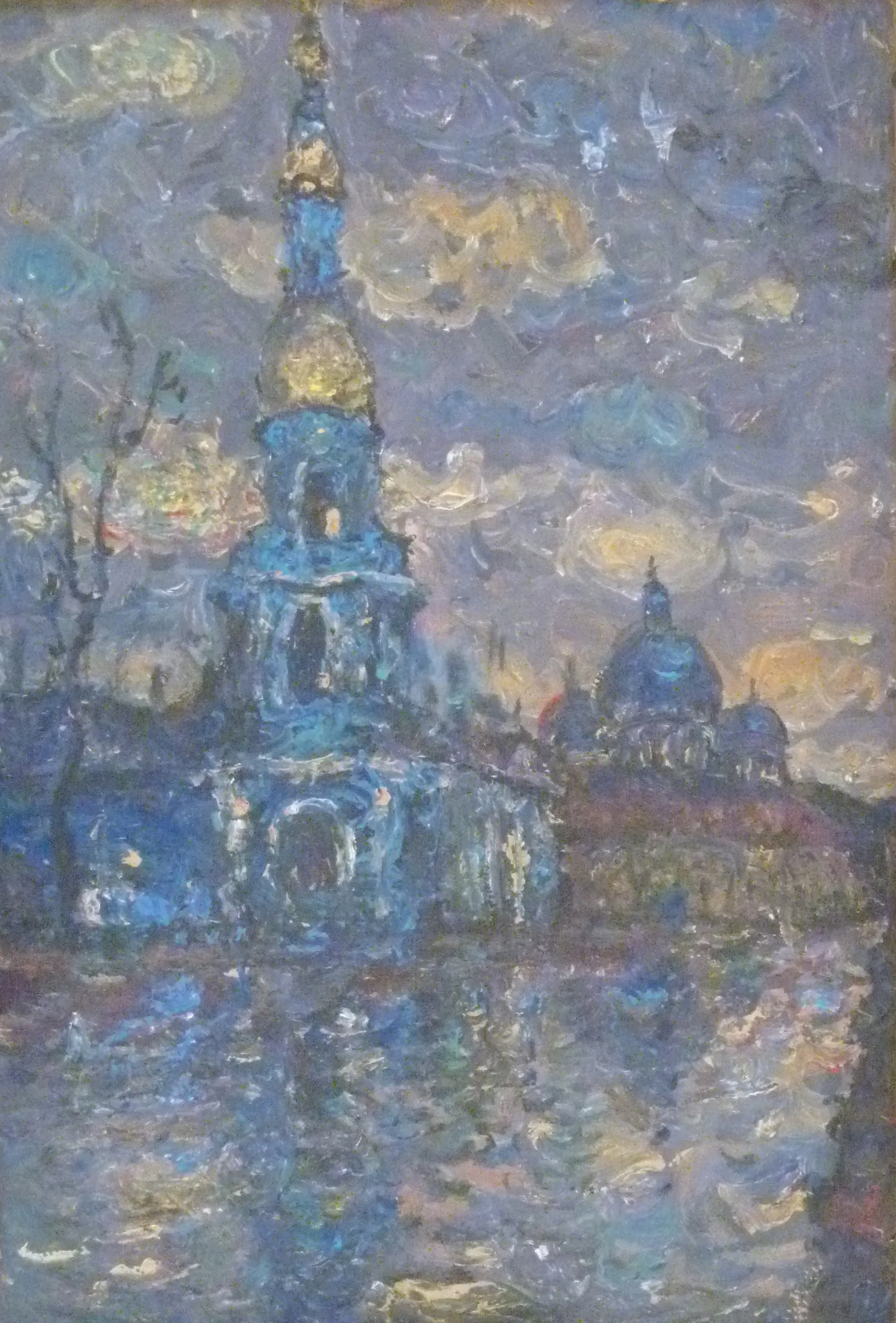
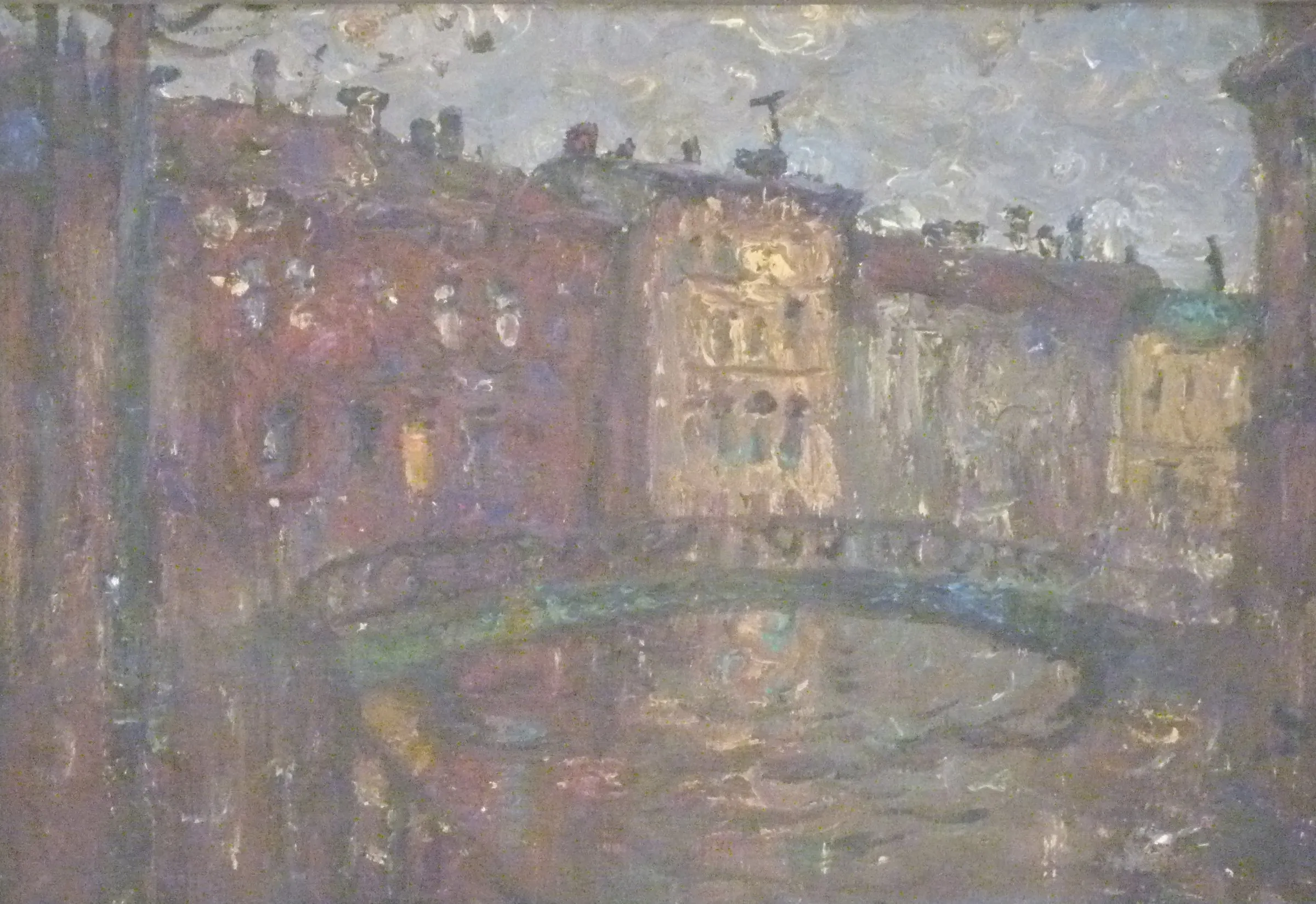
Decorative temperas of old Russian churches, and a 1989 series of St Petersburg canals and spires, painted on the eve of his emigration.
1977–1992
Light from Within
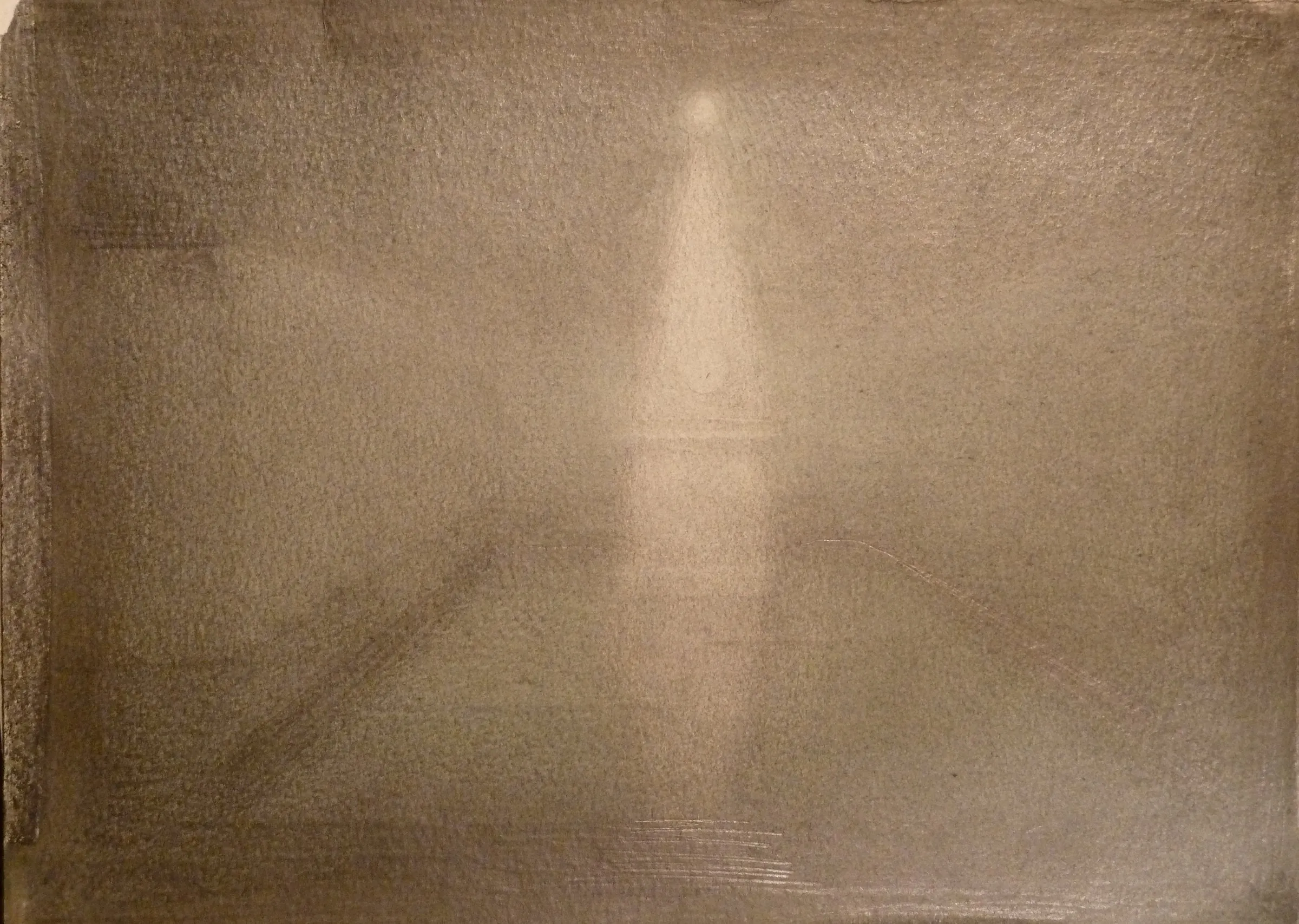
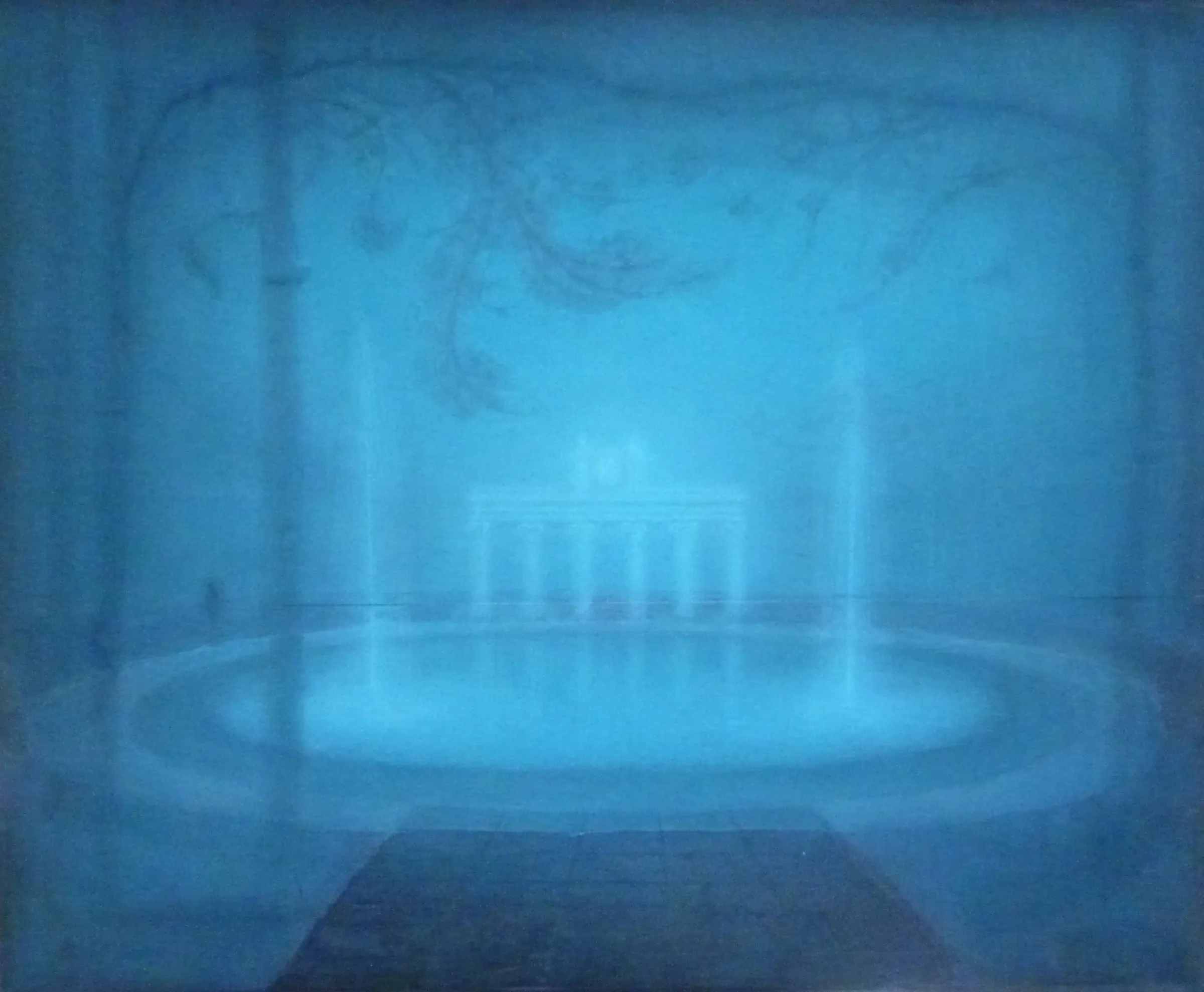
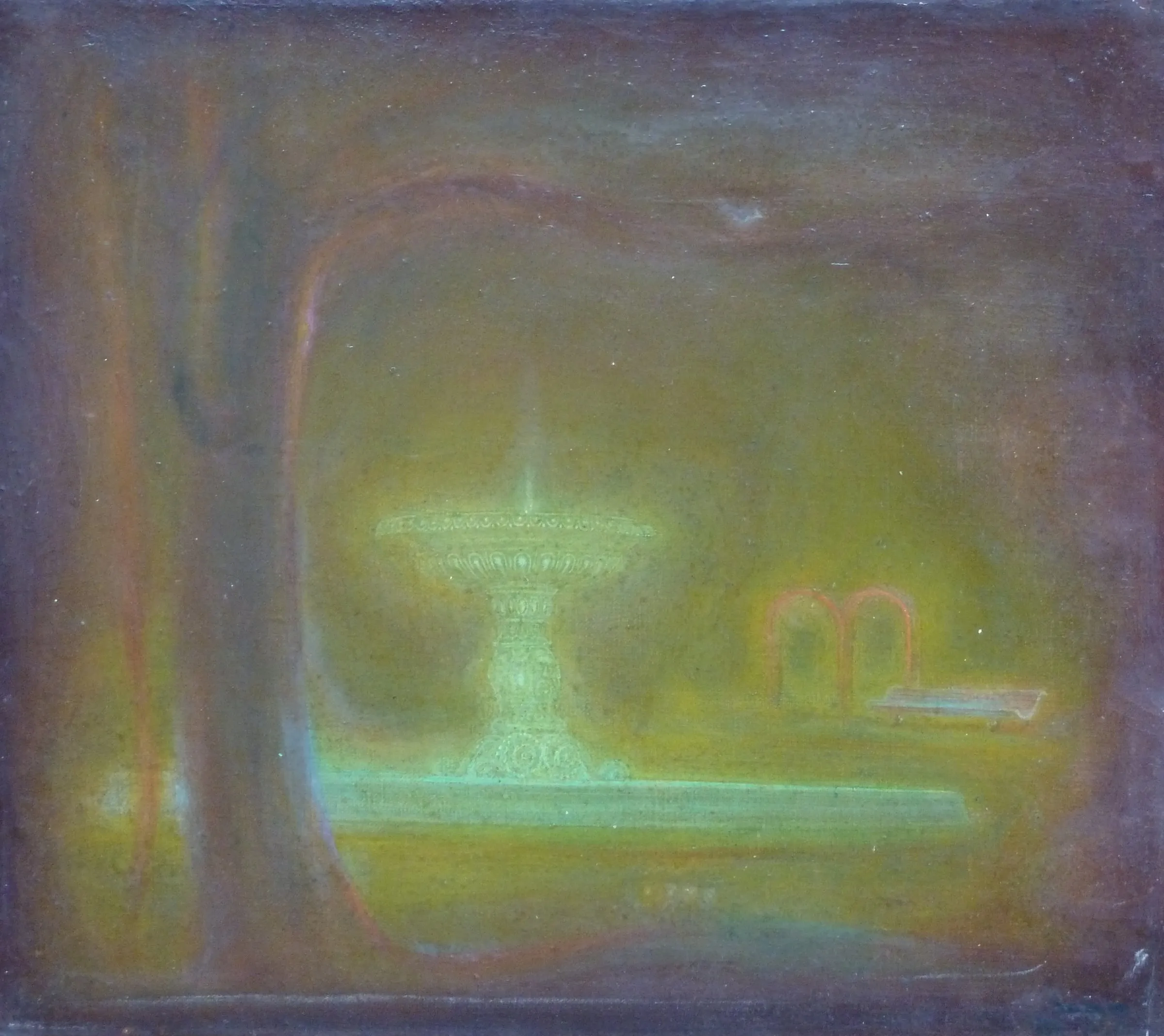
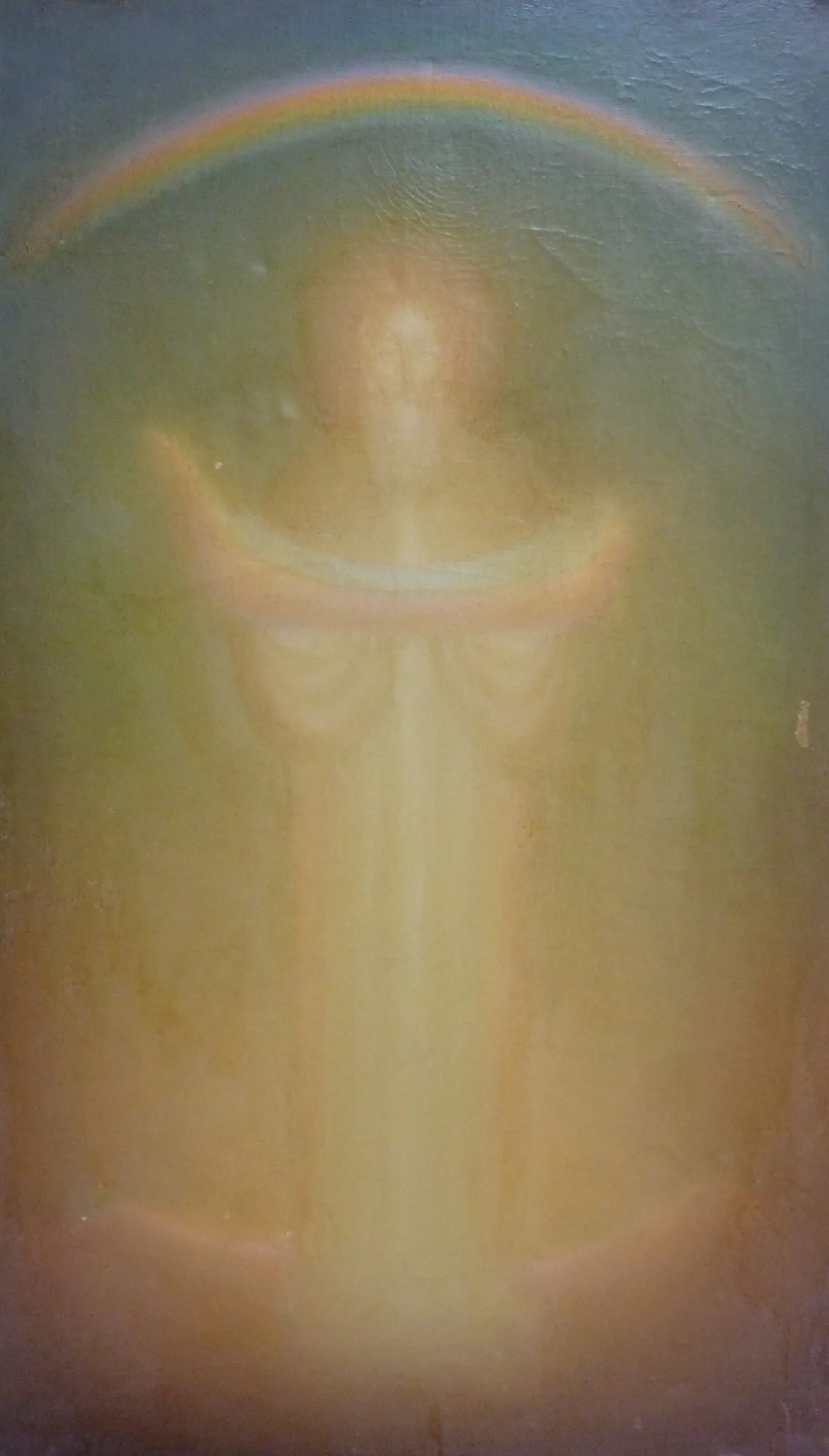
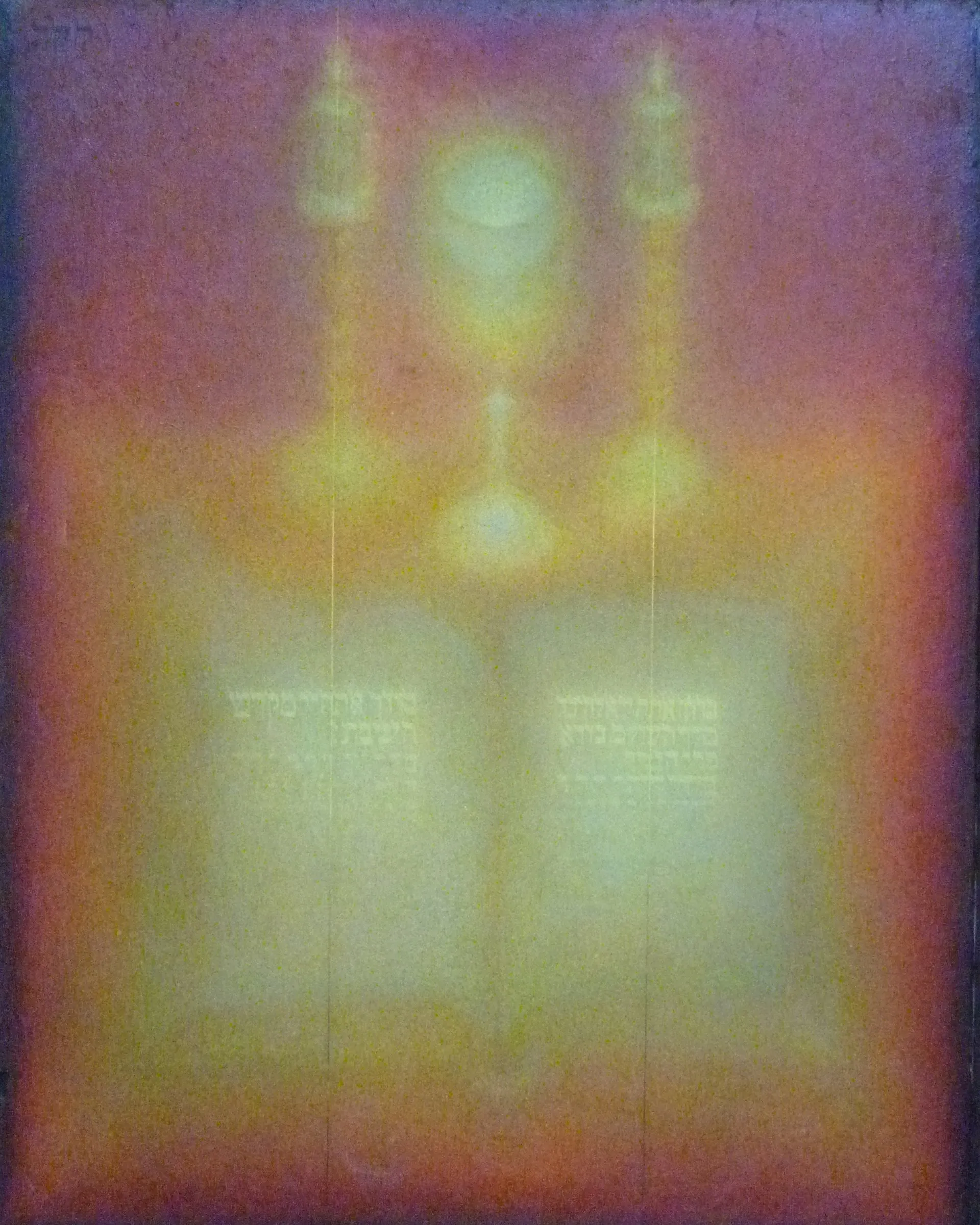
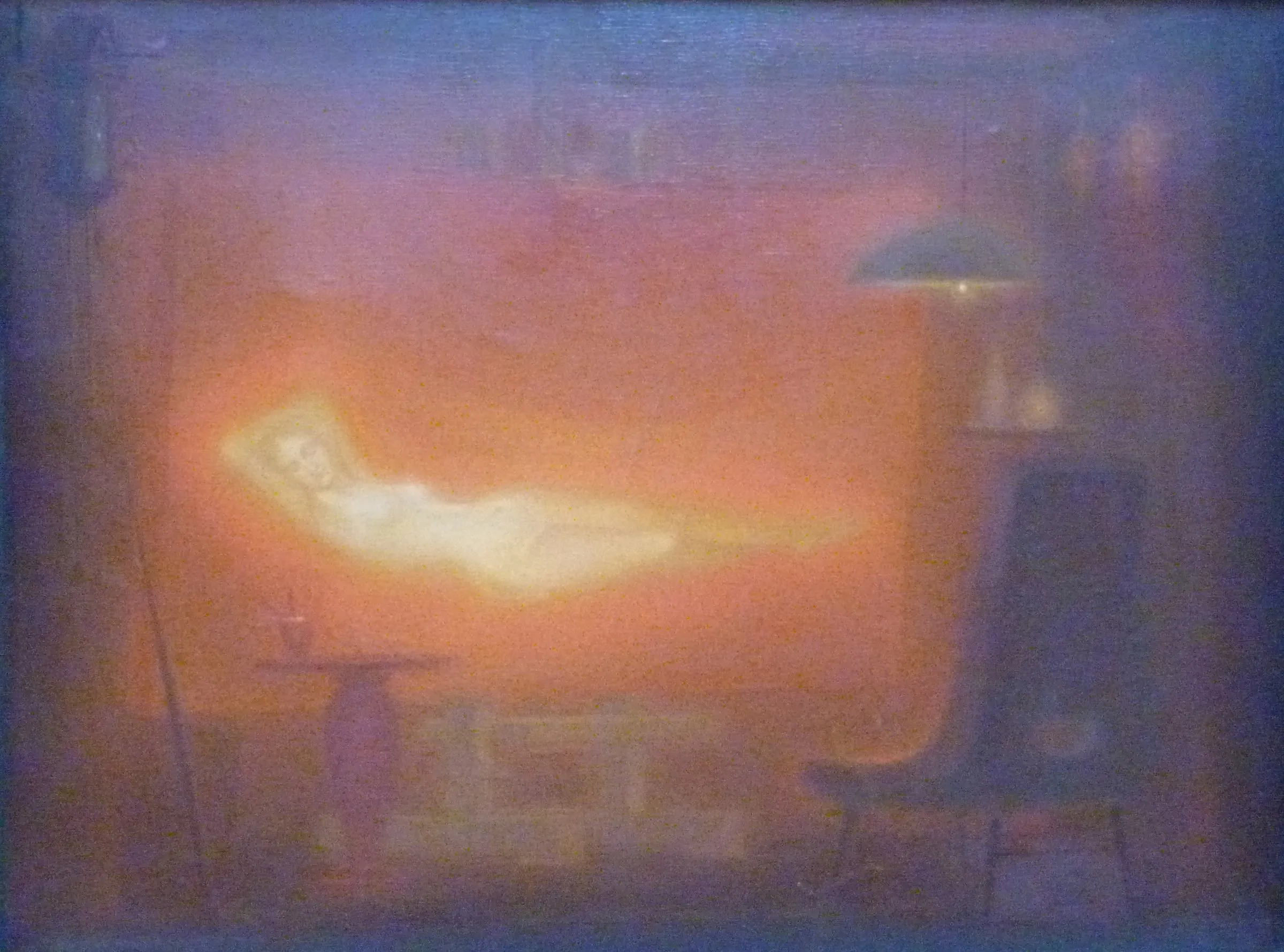
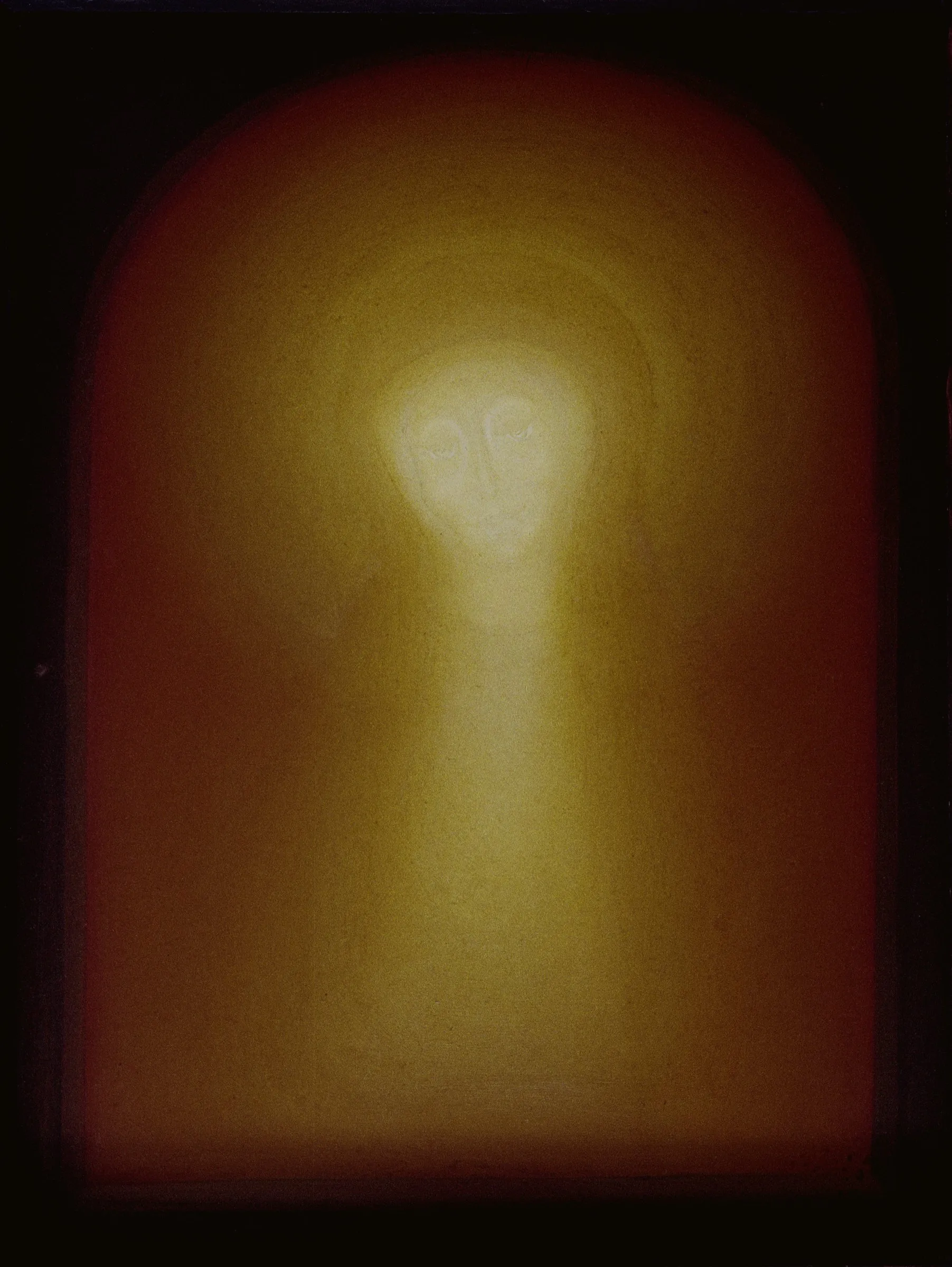
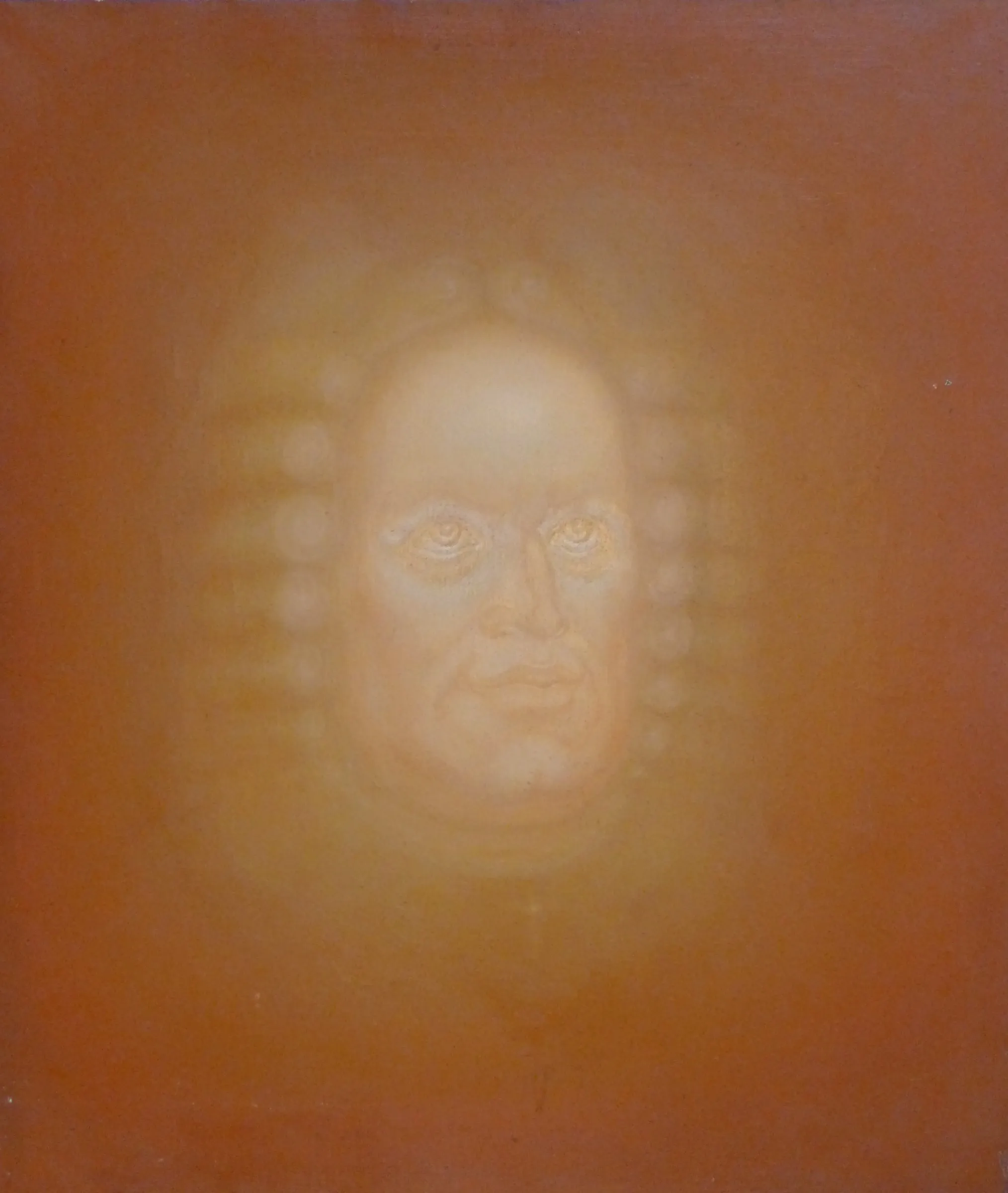
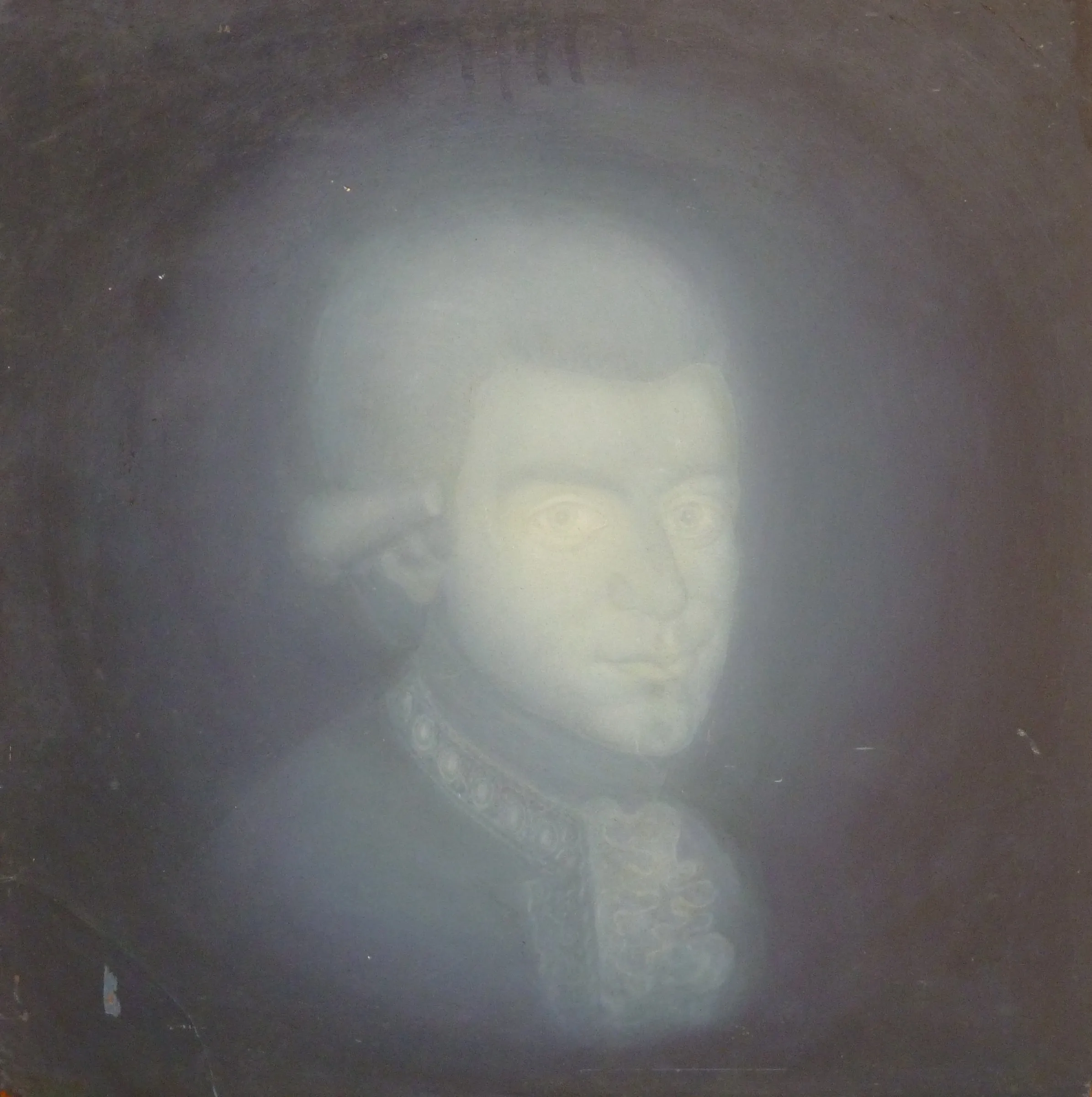
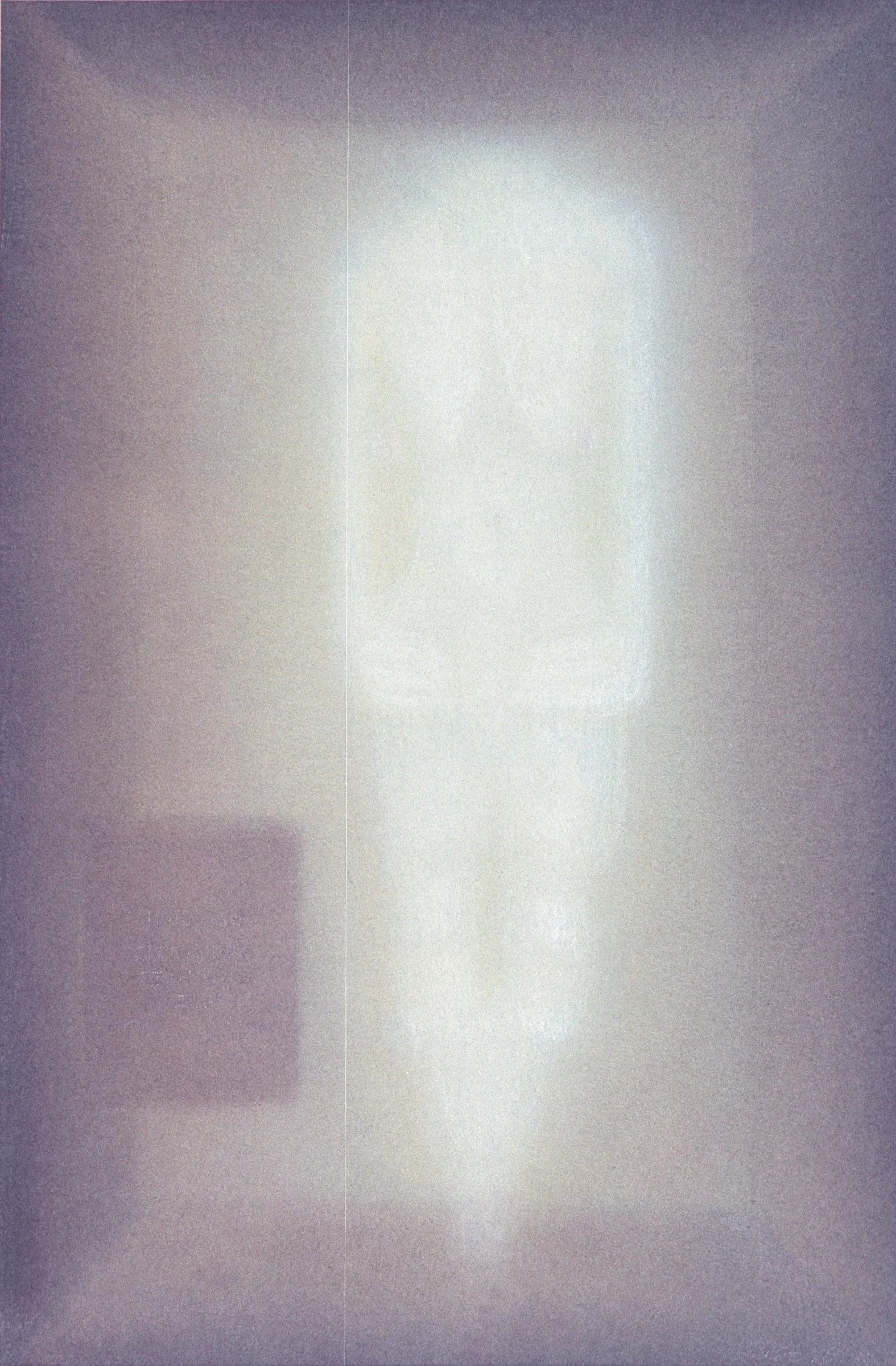
In his oils, light does not fall on things. It comes out of them: Sabbath candles, a reclining figure, a fountain. The Kyiv critic Miron Petrovsky wrote that in his portraits of figures such as Mozart “you see an aureole rather than a figure.”
1991–1998
Antiques
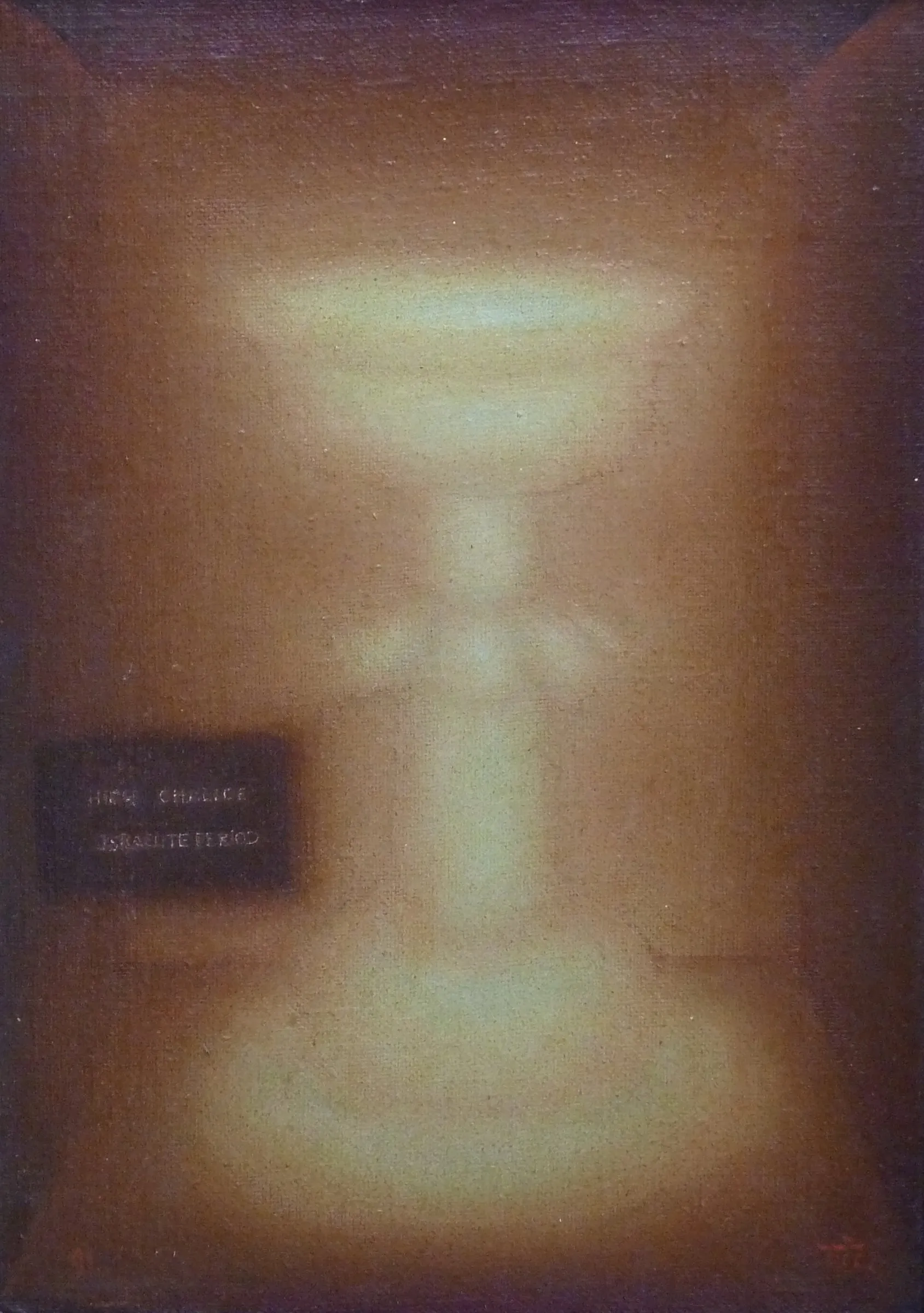
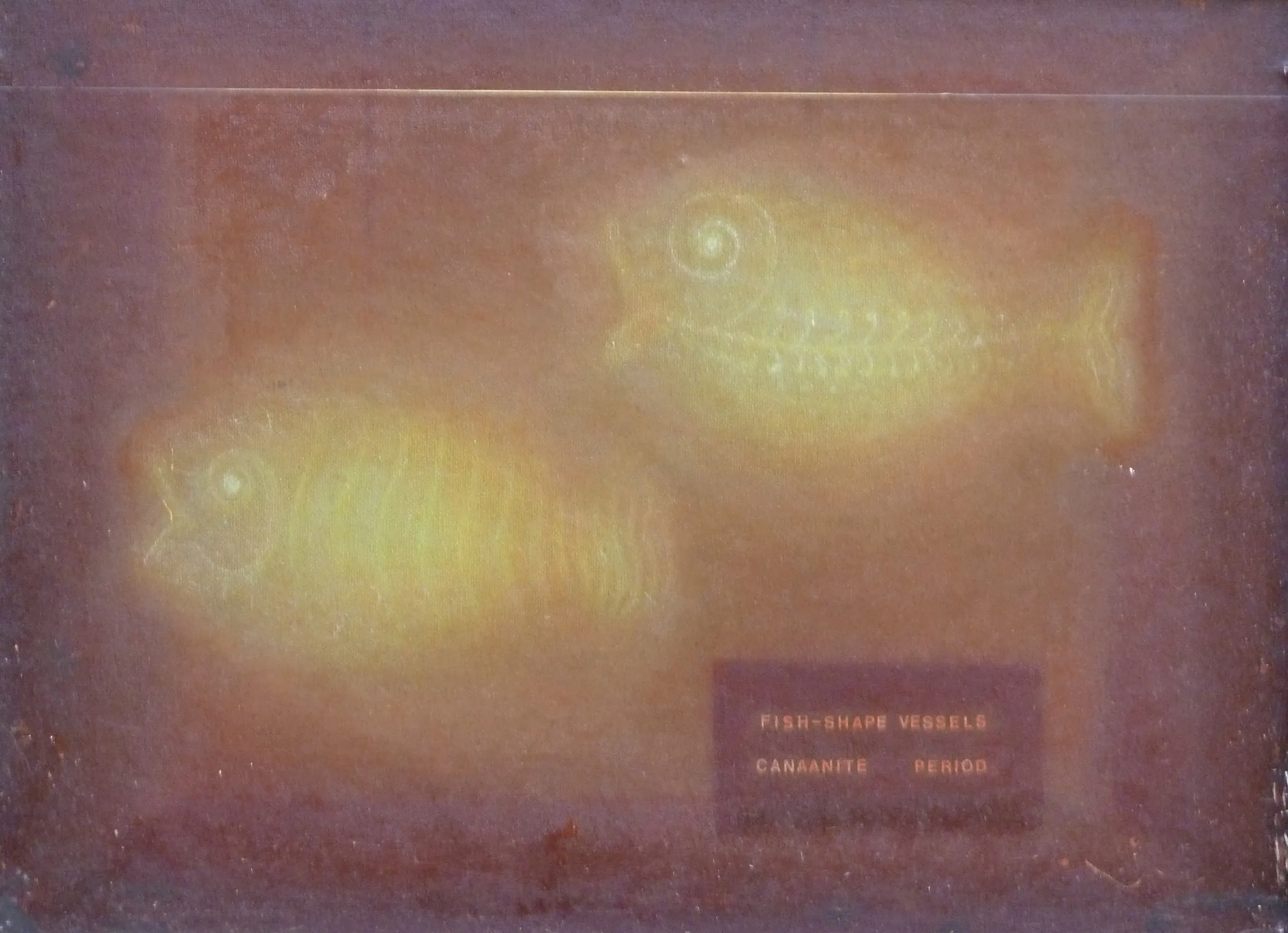
After arriving in Israel he painted ancient objects as if lit from inside a museum case, sometimes with a museum label: “Fish-shaped vessels, Canaanite period.” In the words of the critic Grigory Ostrovsky, Lekar “actualizes archaeology.”
1992–2008
Israel: Desert and Sea
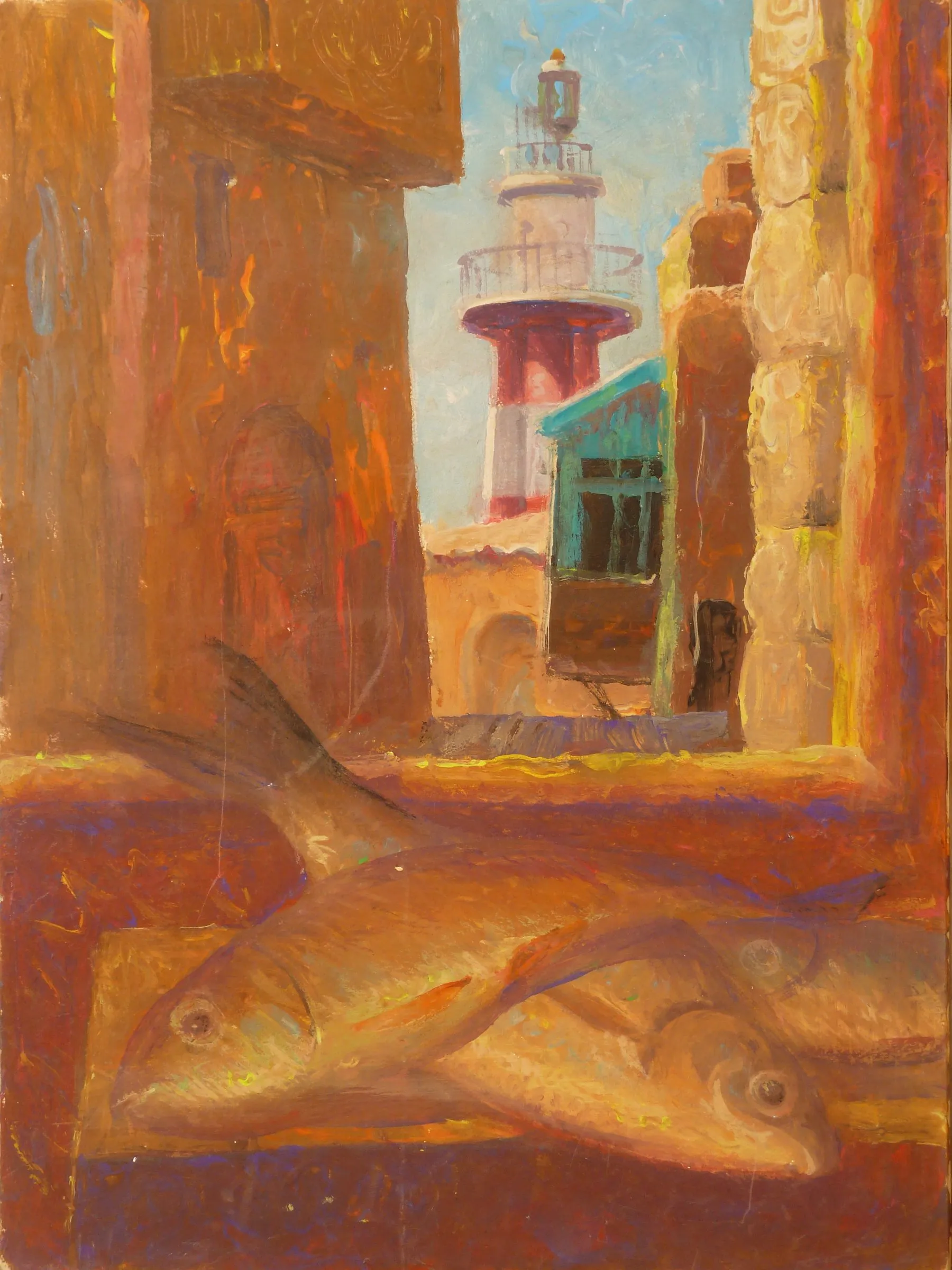
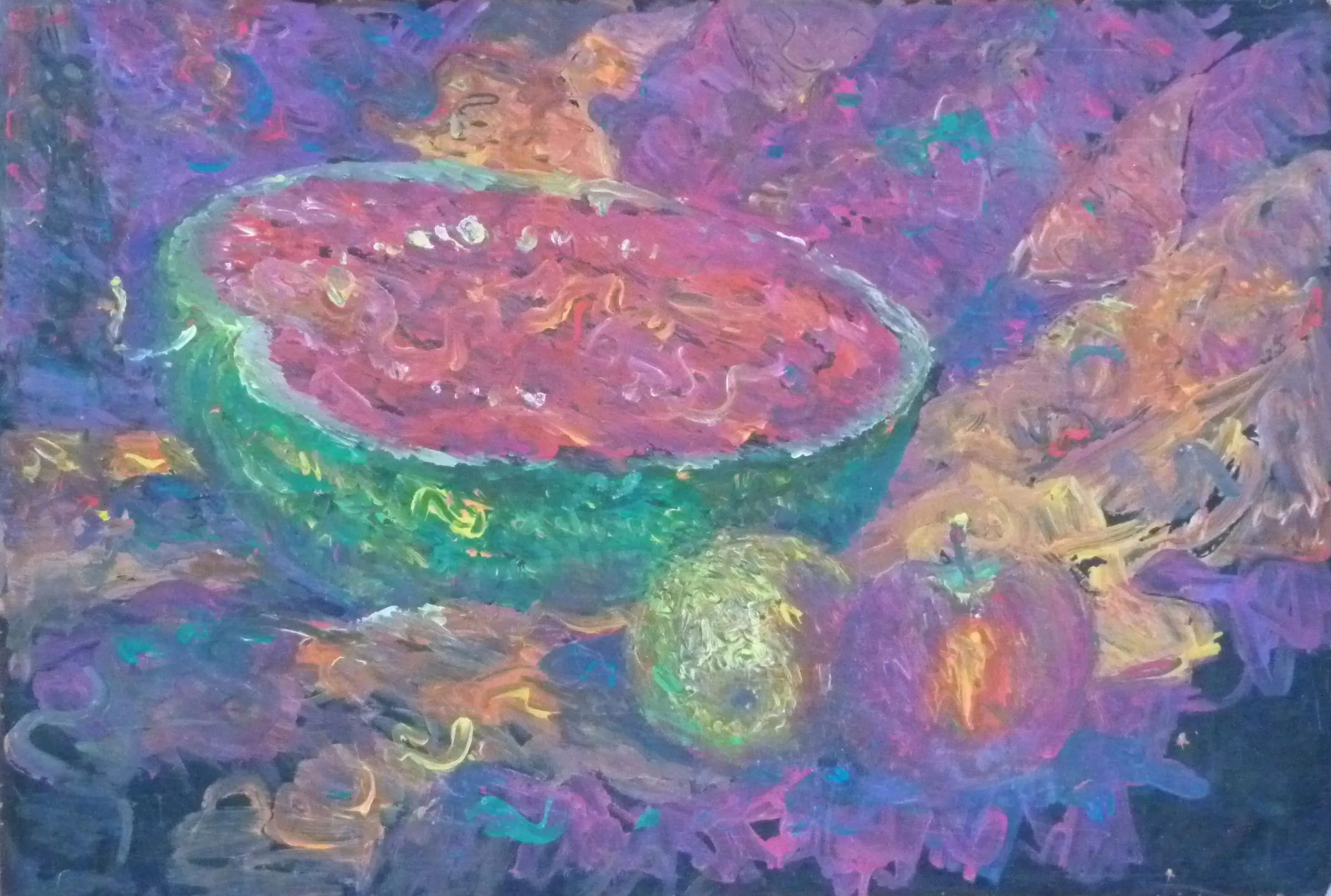
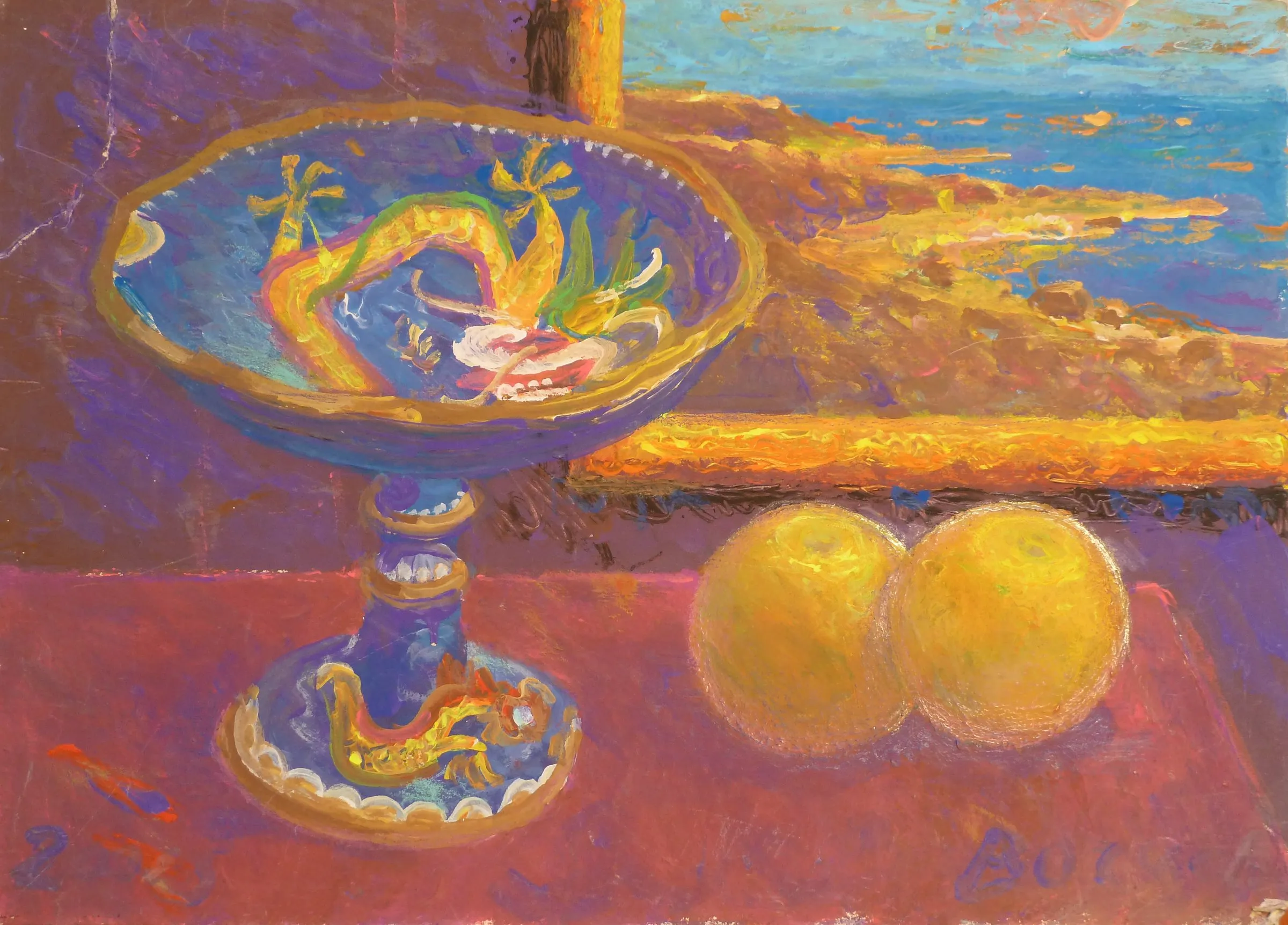
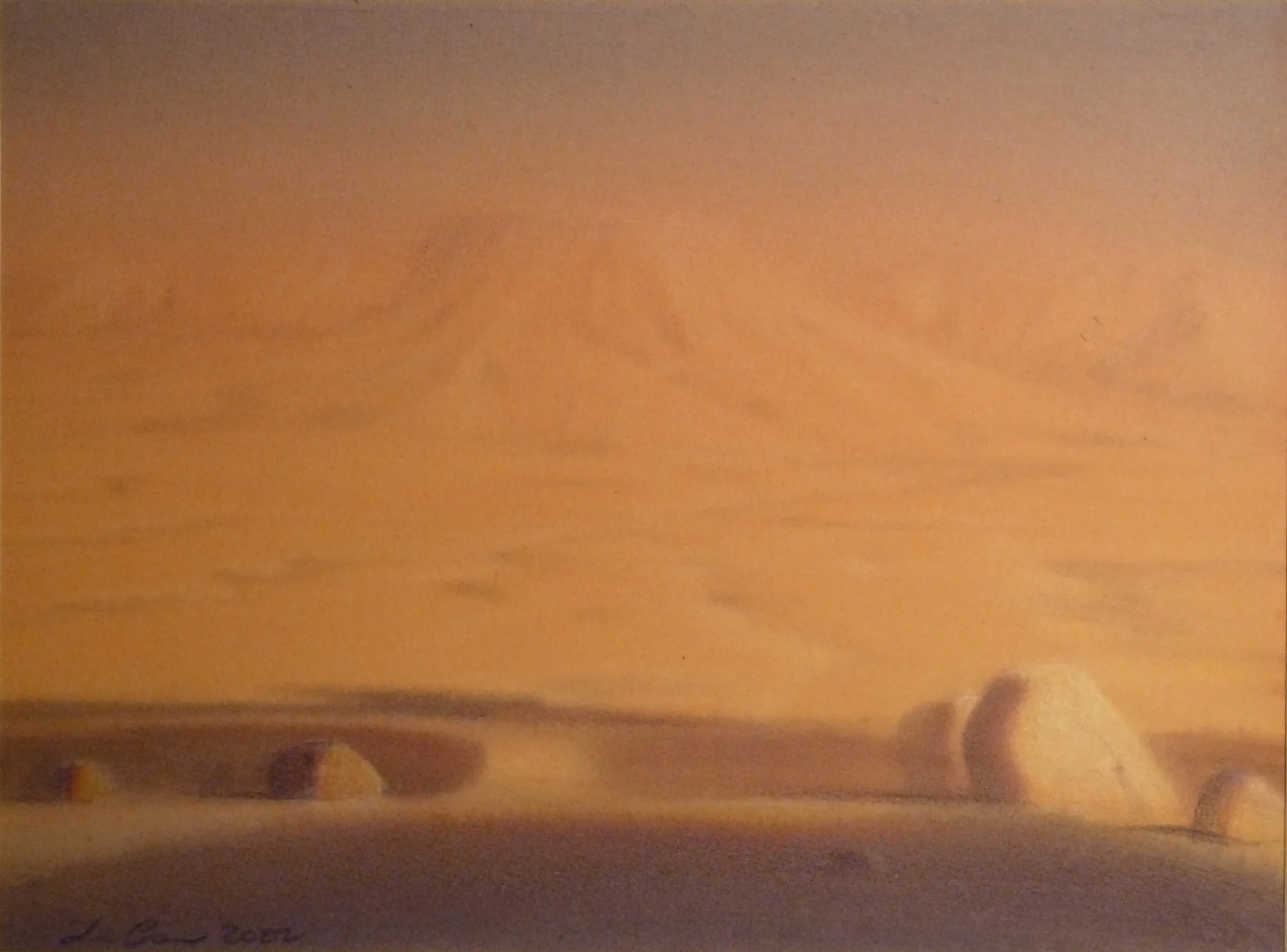
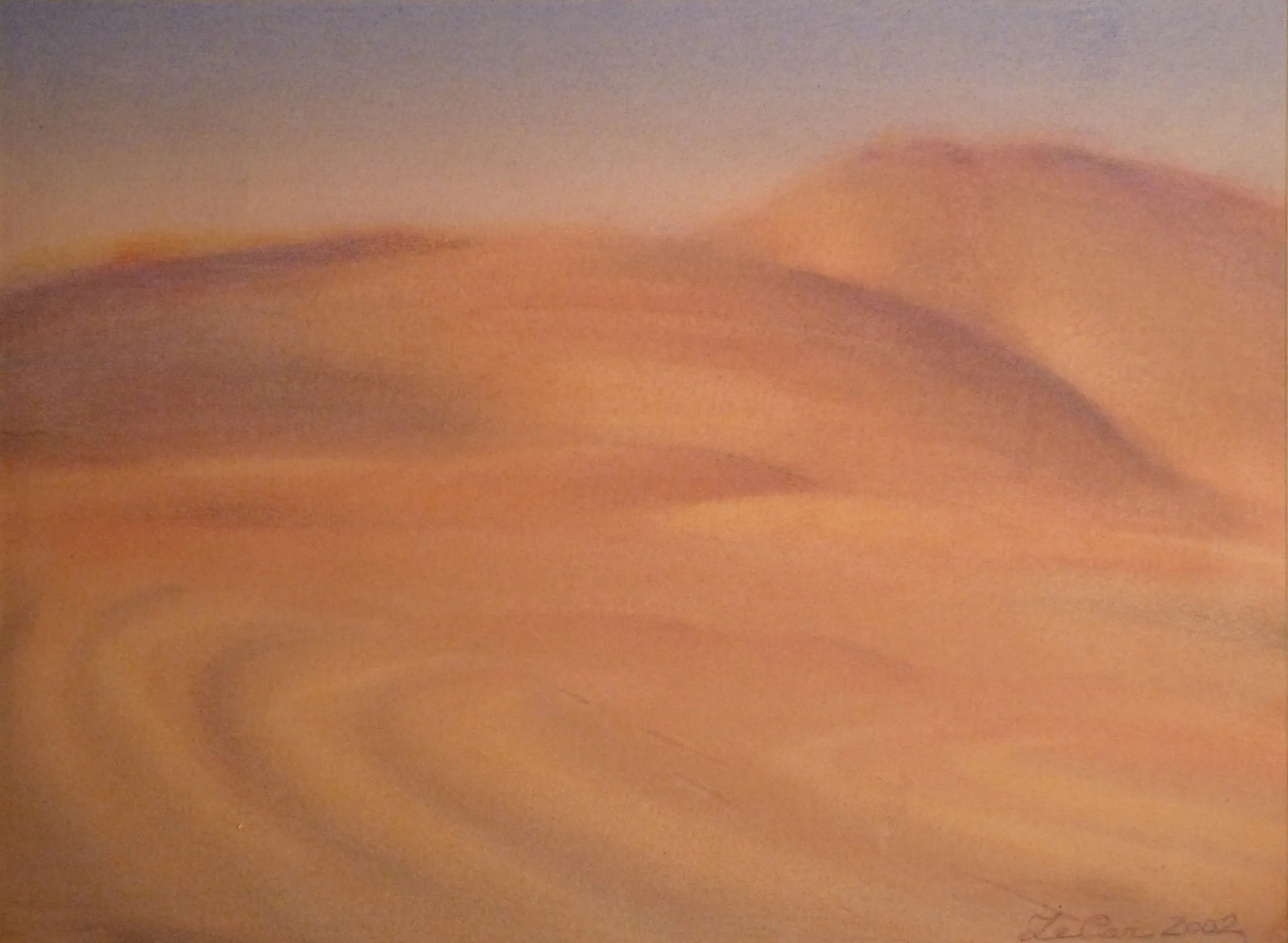
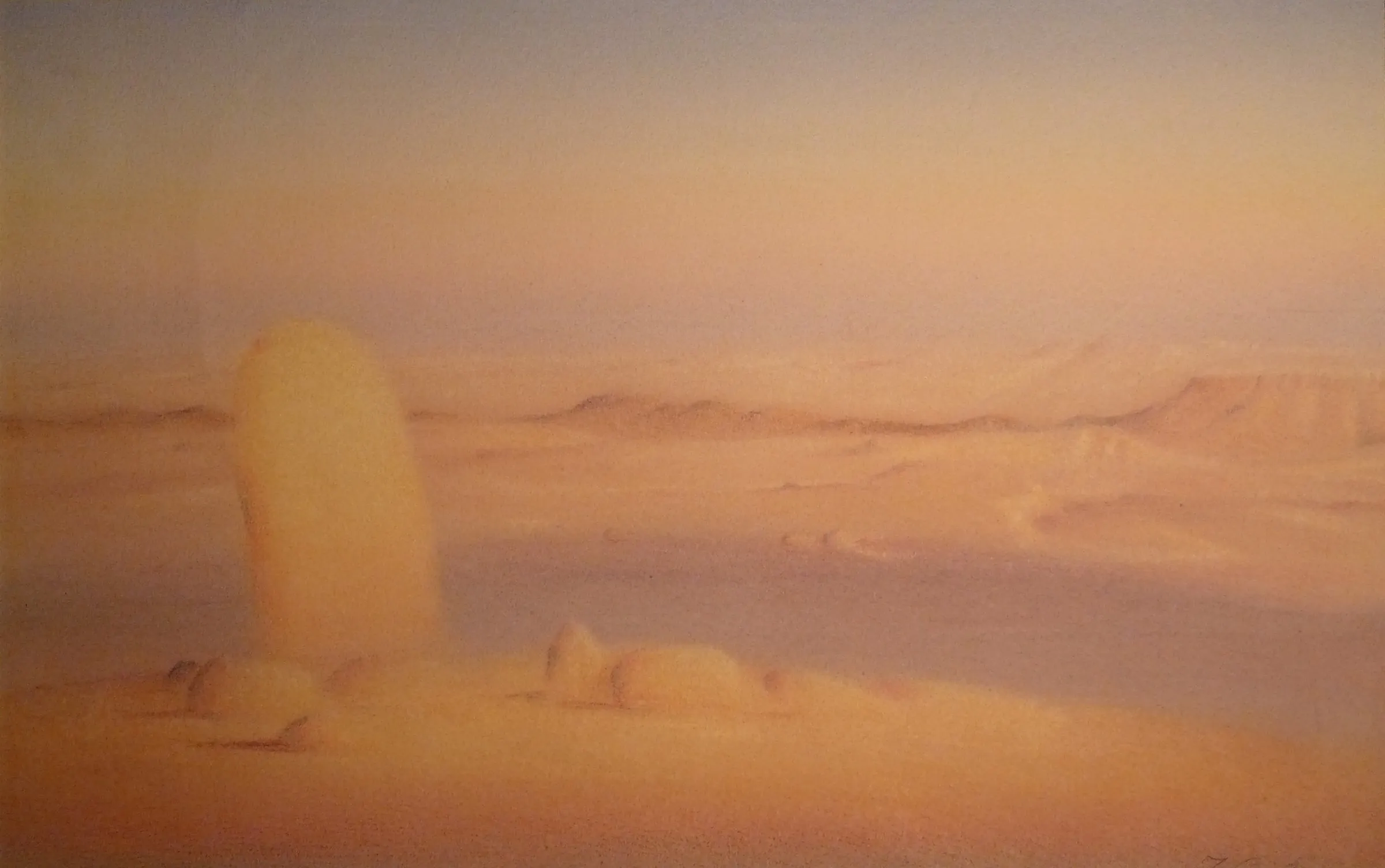
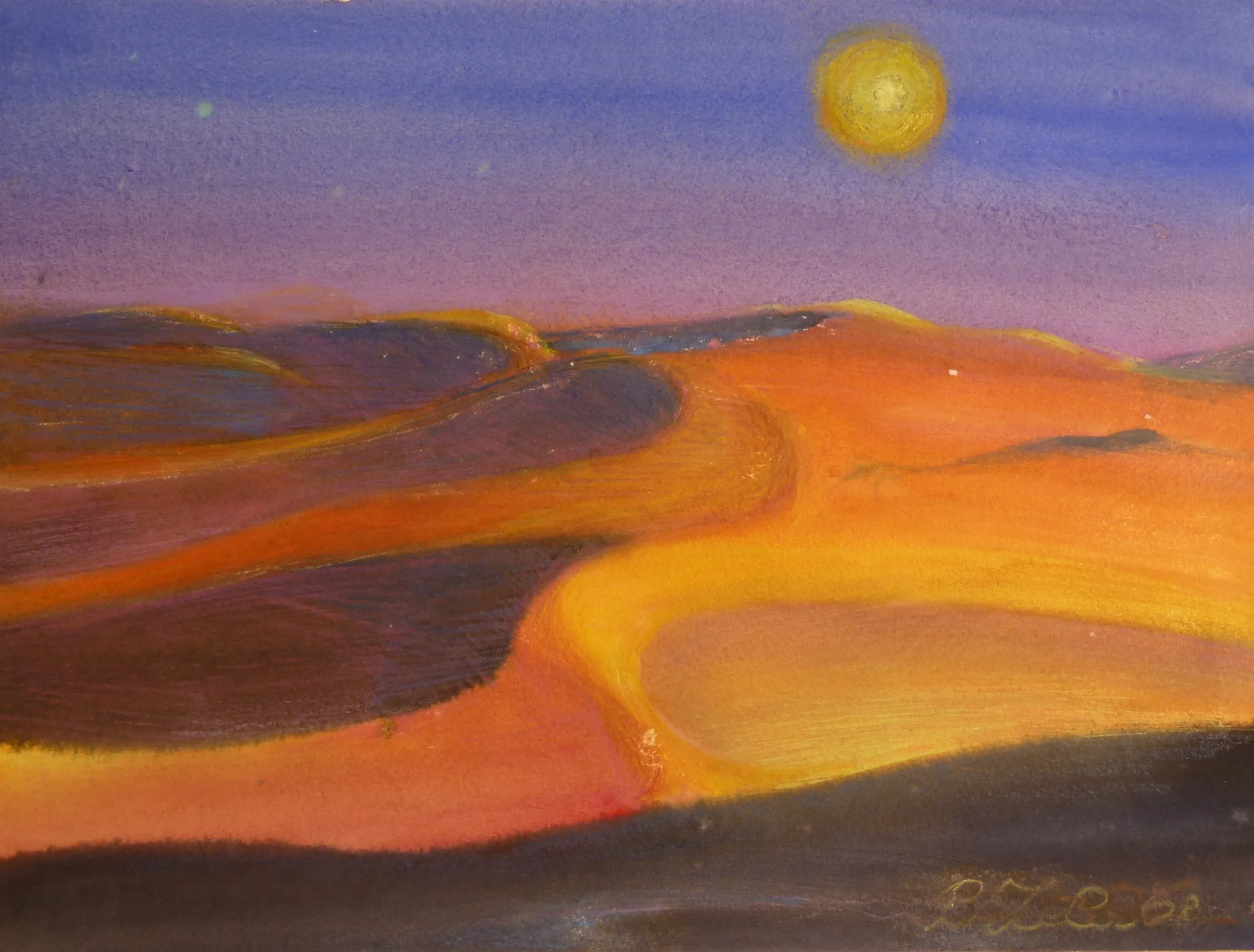
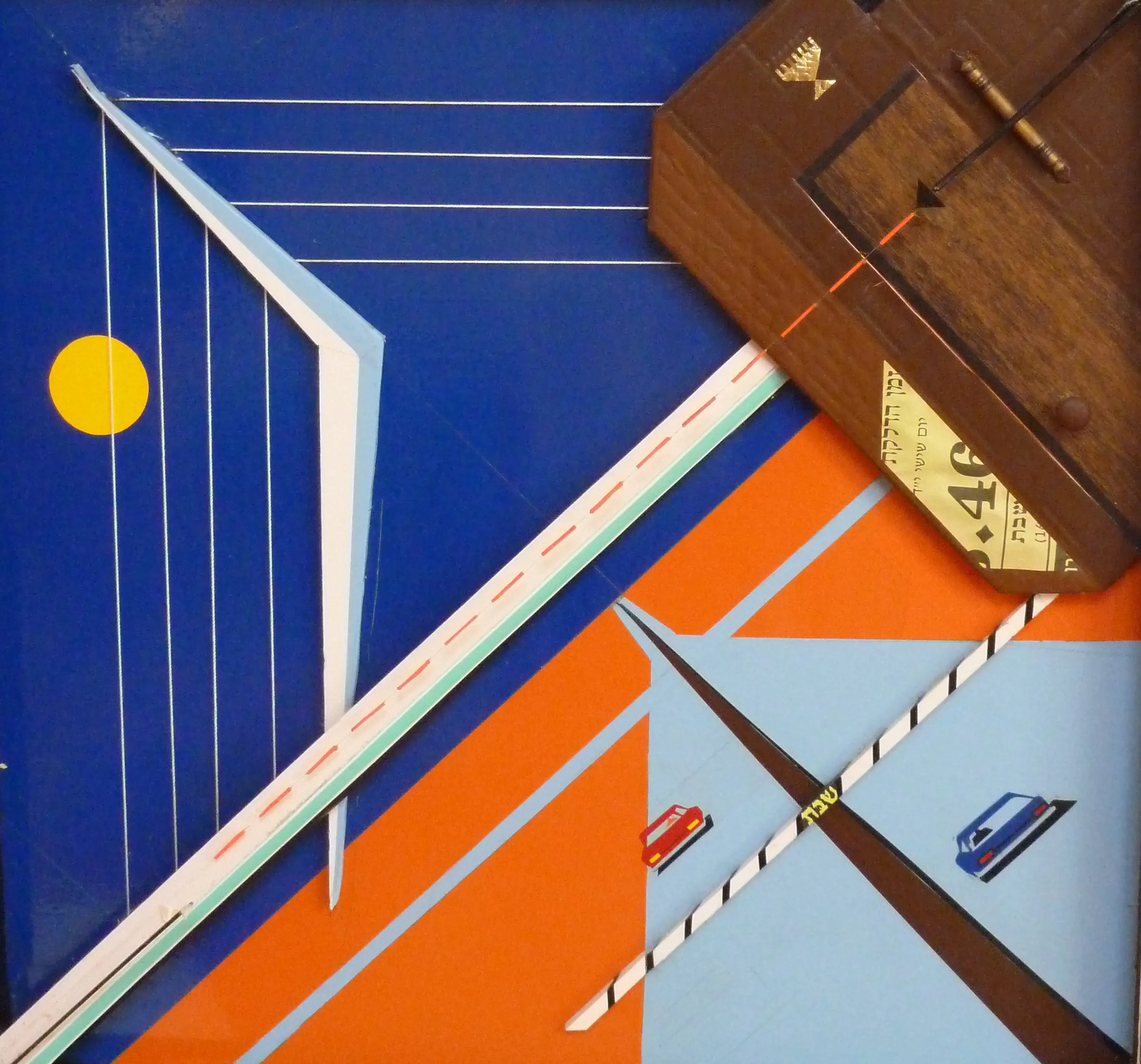
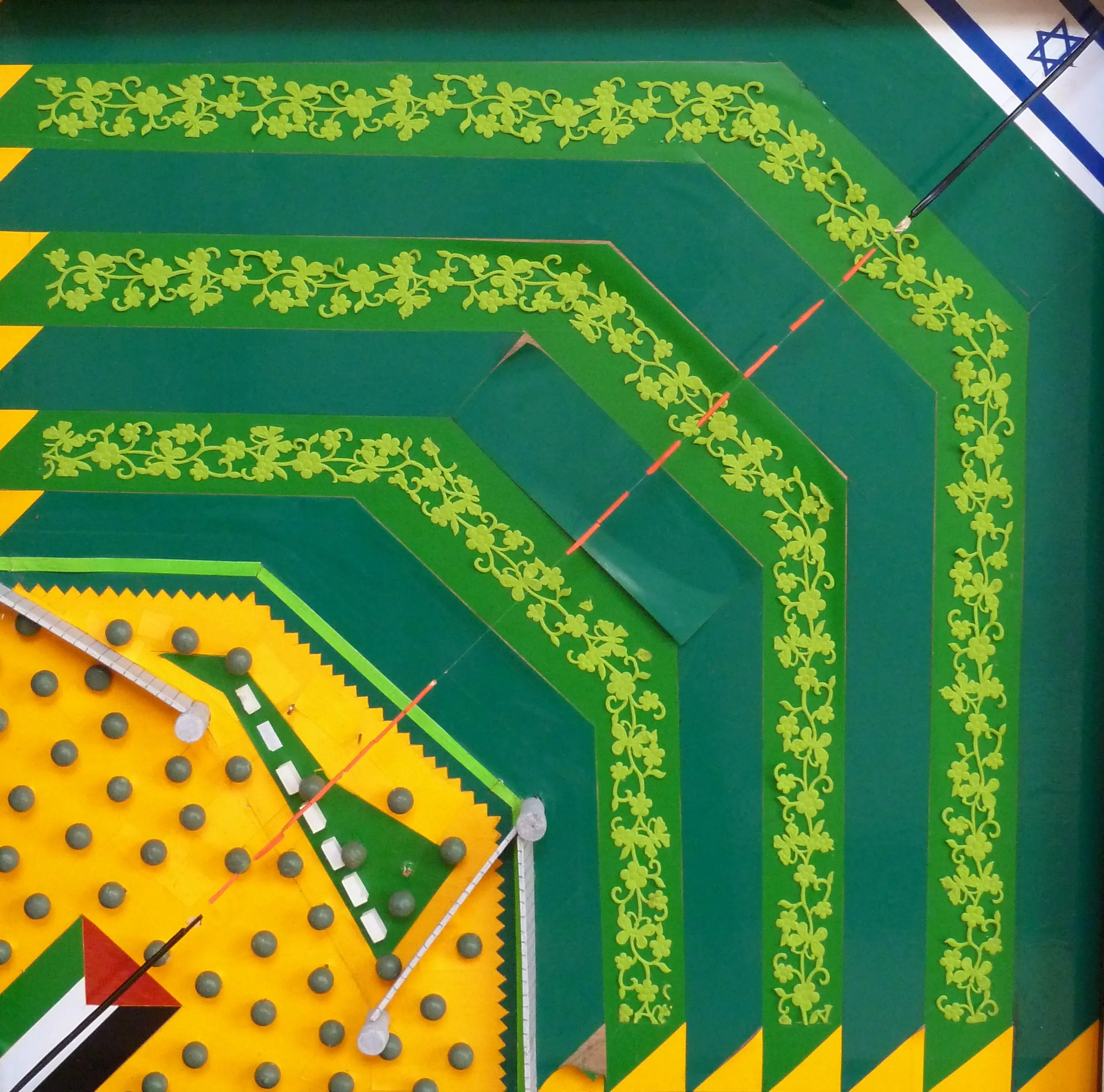
The first years in Israel brought saturated color (the Jaffa lighthouse, a watermelon), then the desert. In Mitzpe Ramon the crater and the dunes dissolve into warm, almost monochrome light. A plastic relief shows another side of a multidisciplinary artist.
1997–2001
Experiments
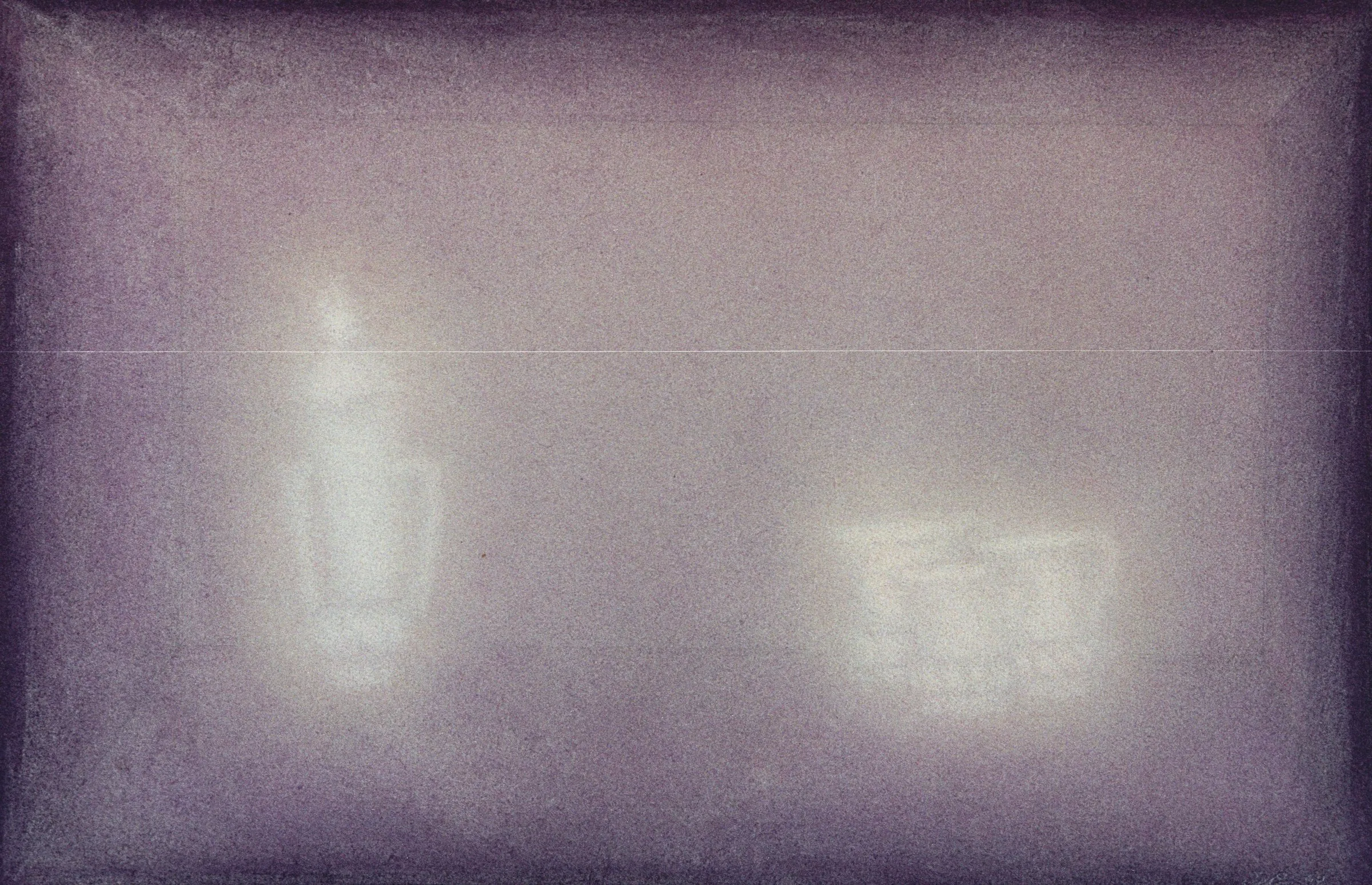
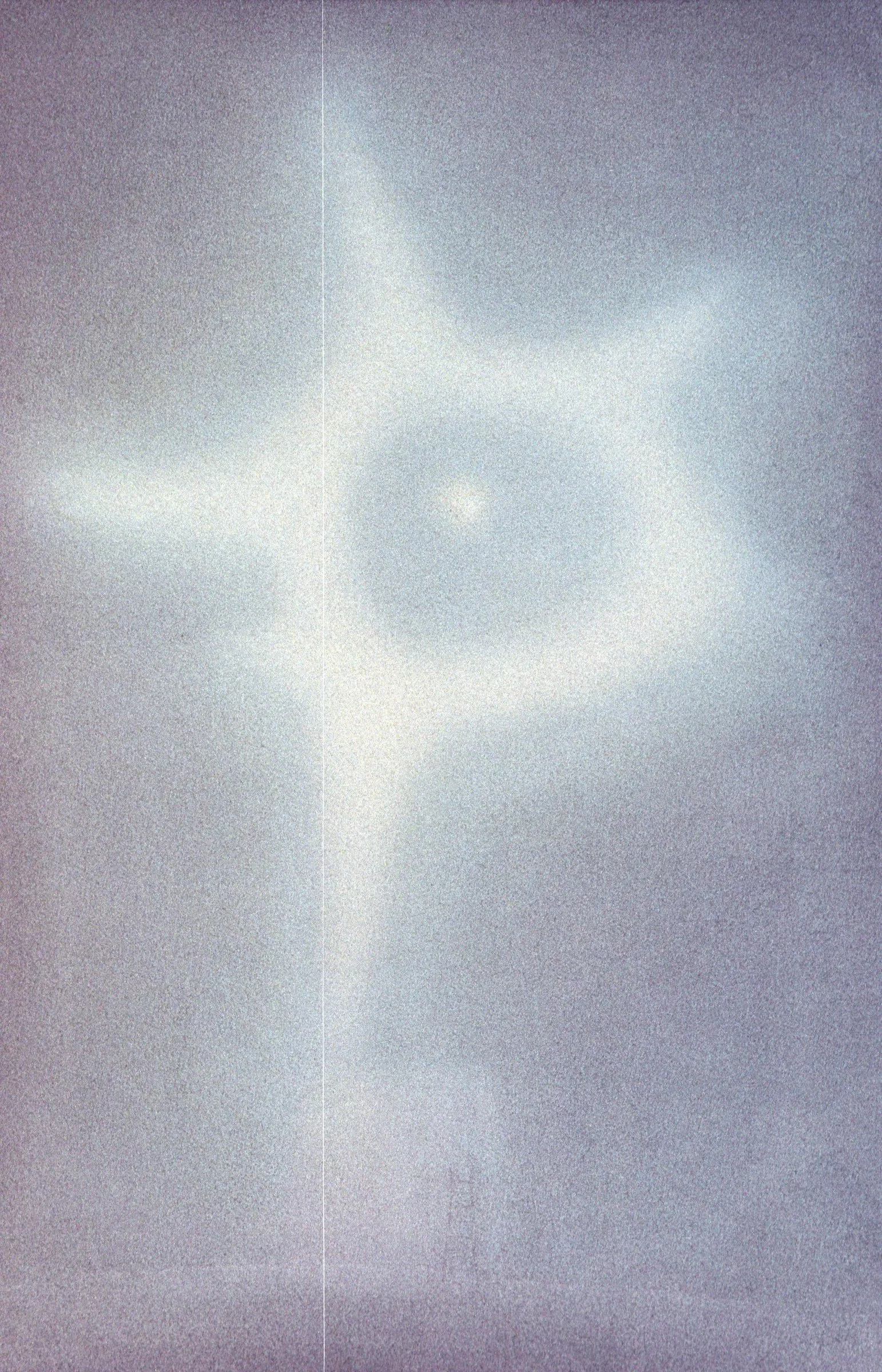
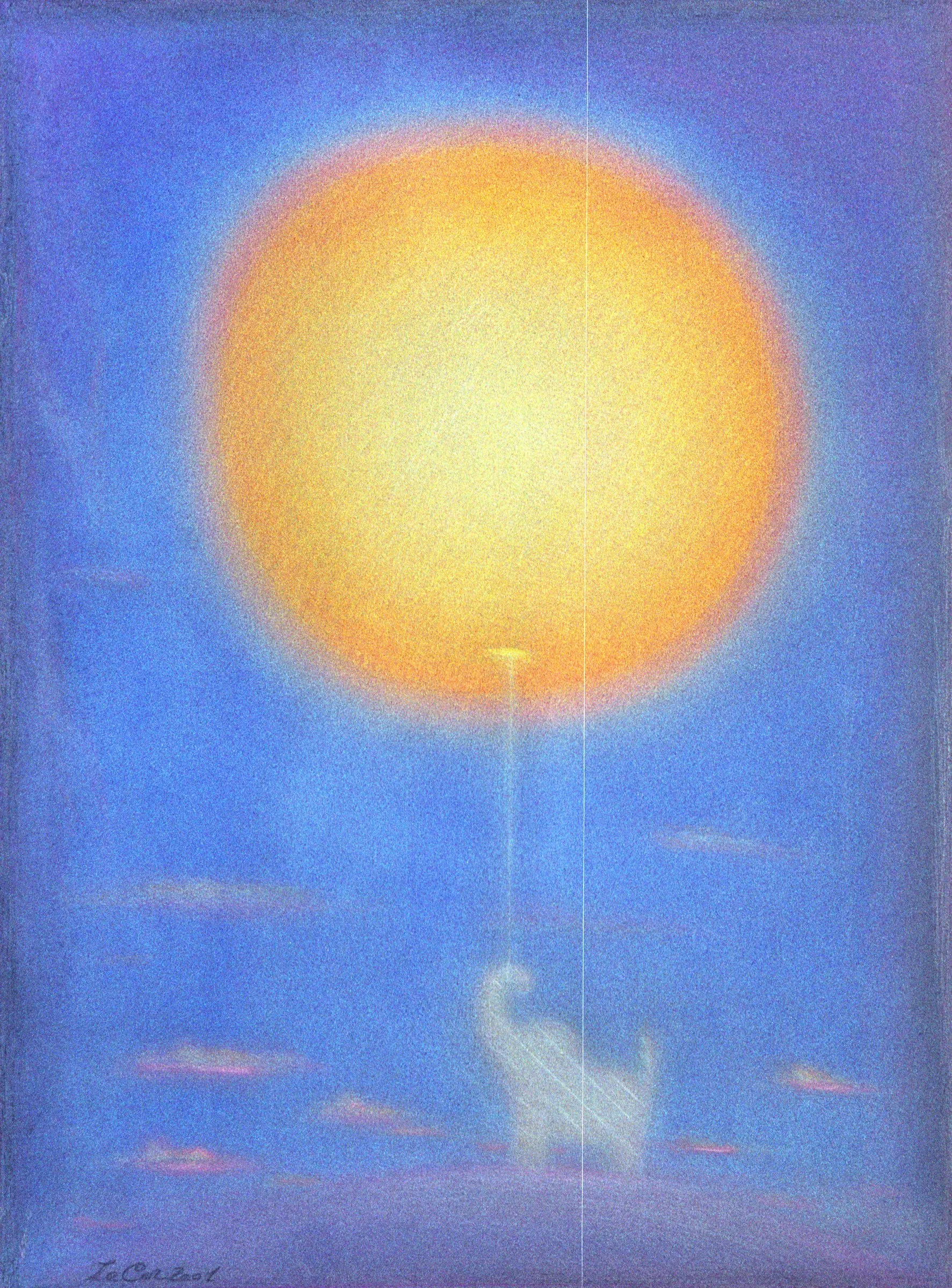
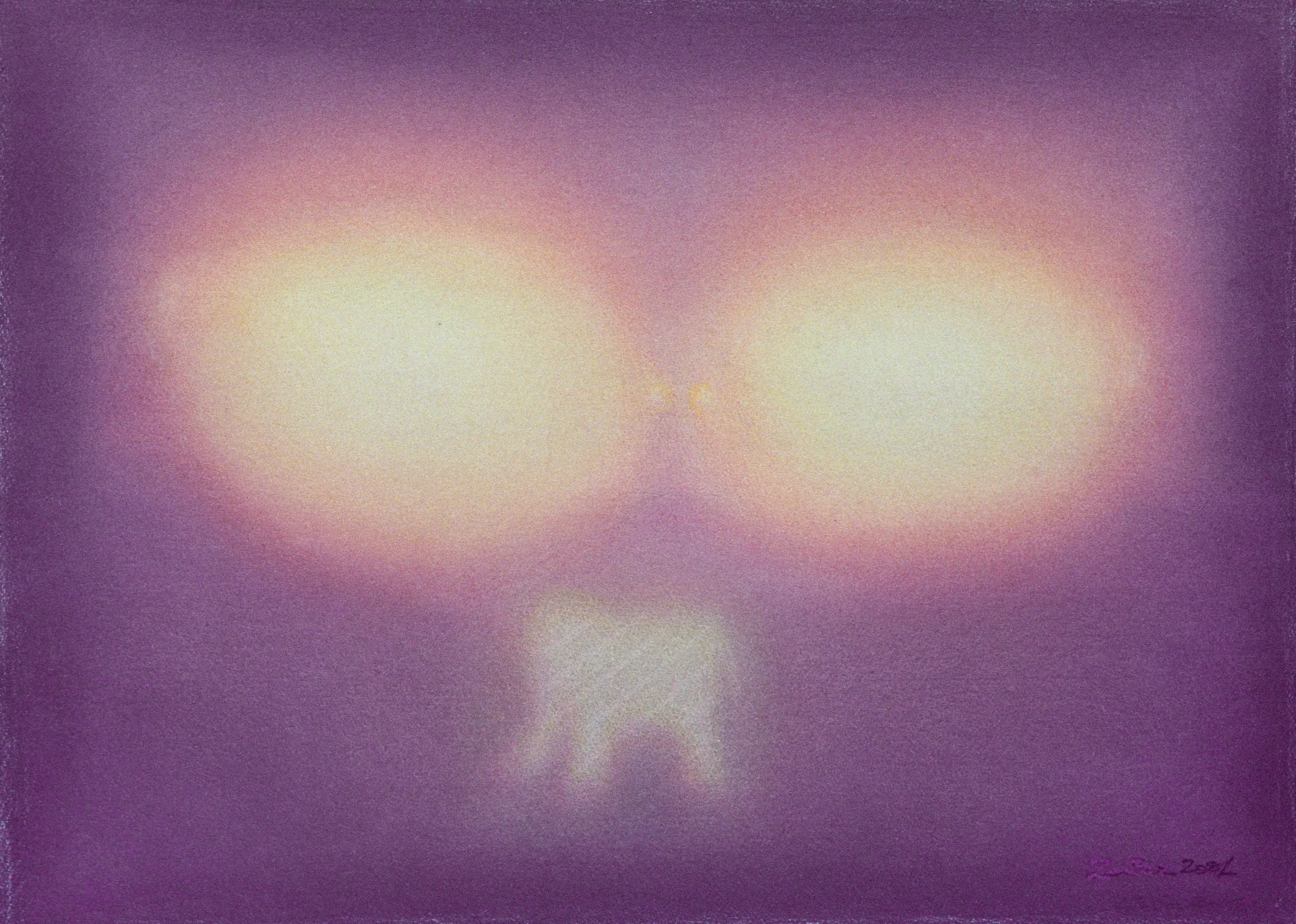
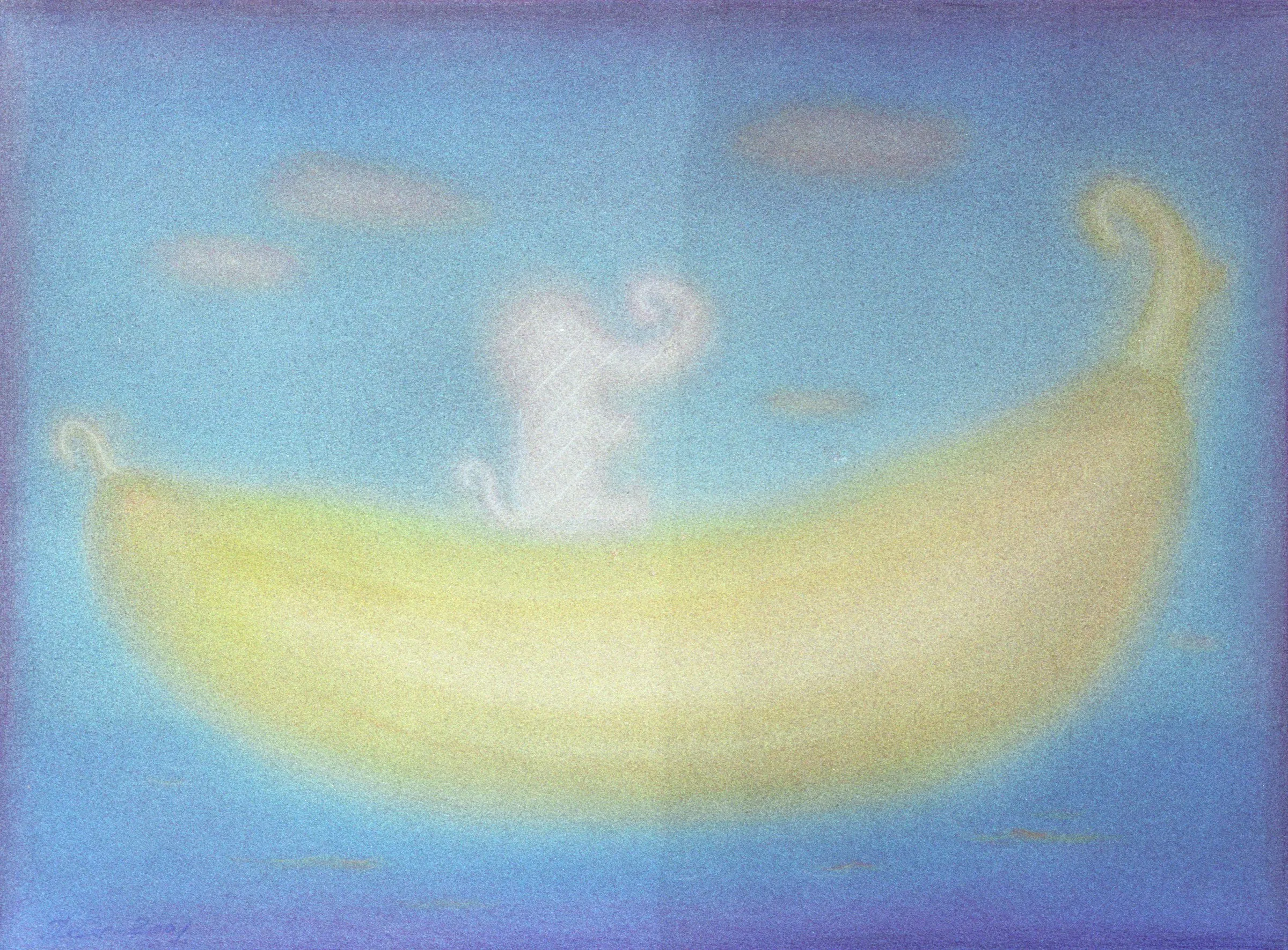
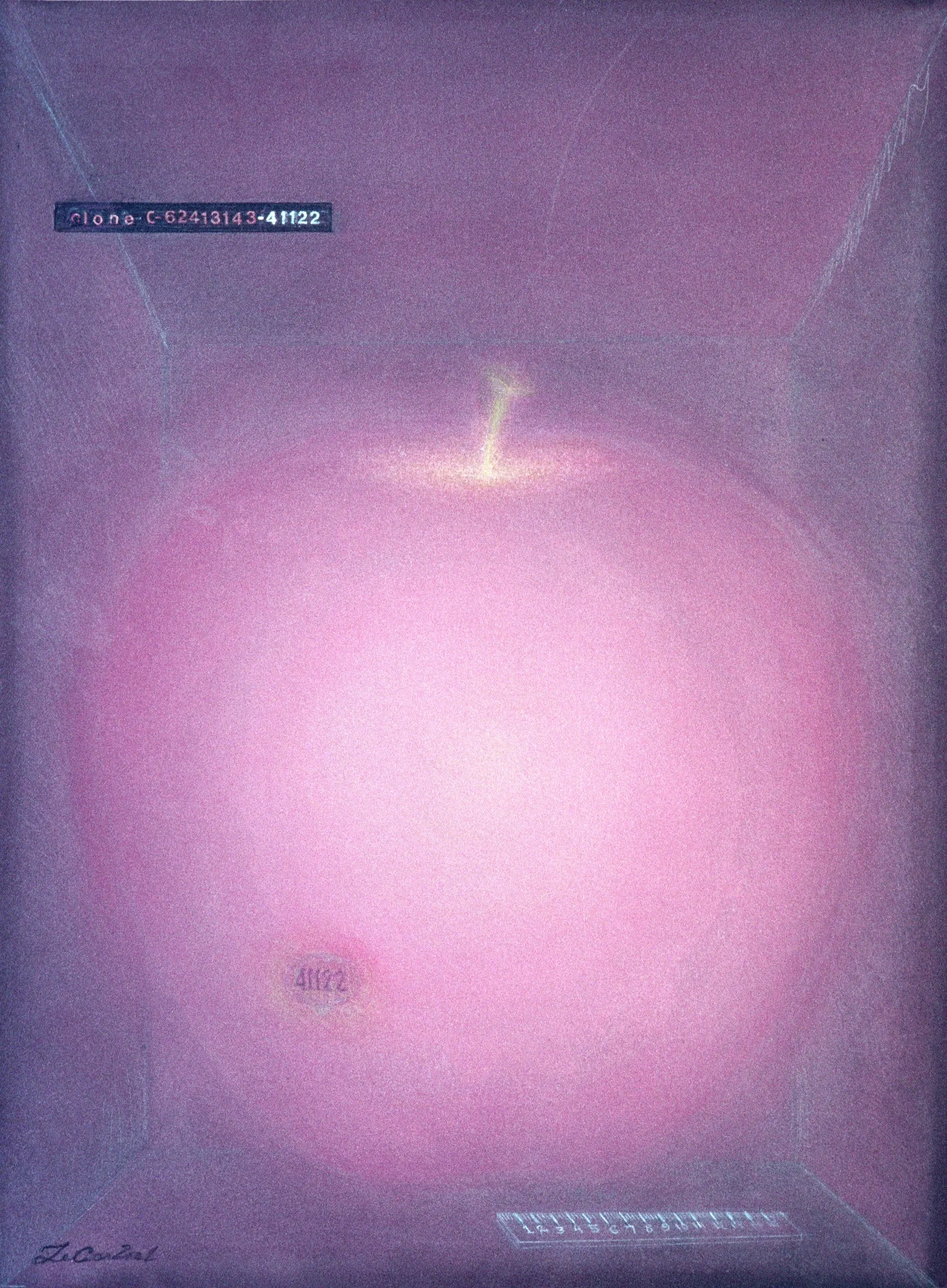
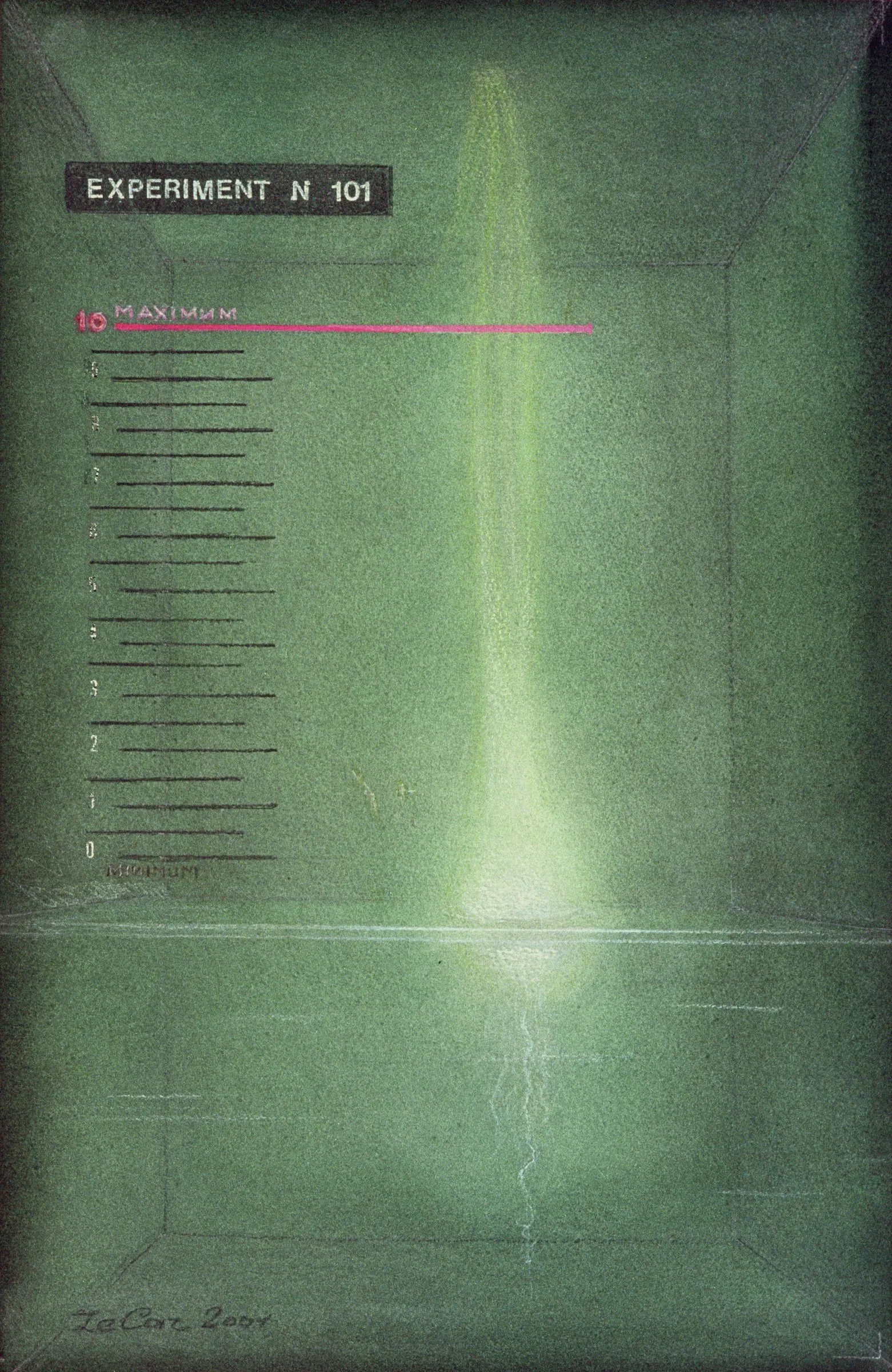
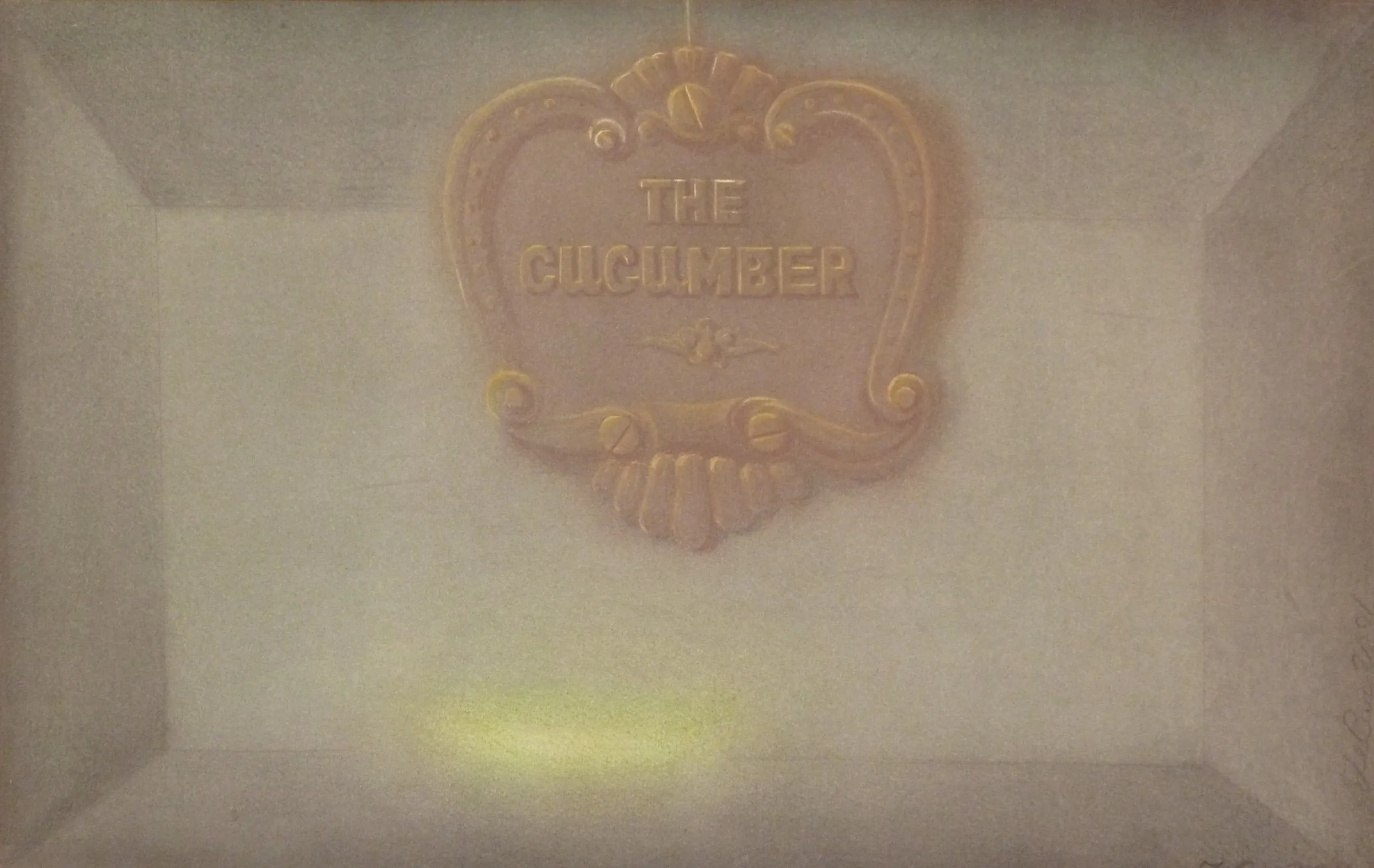
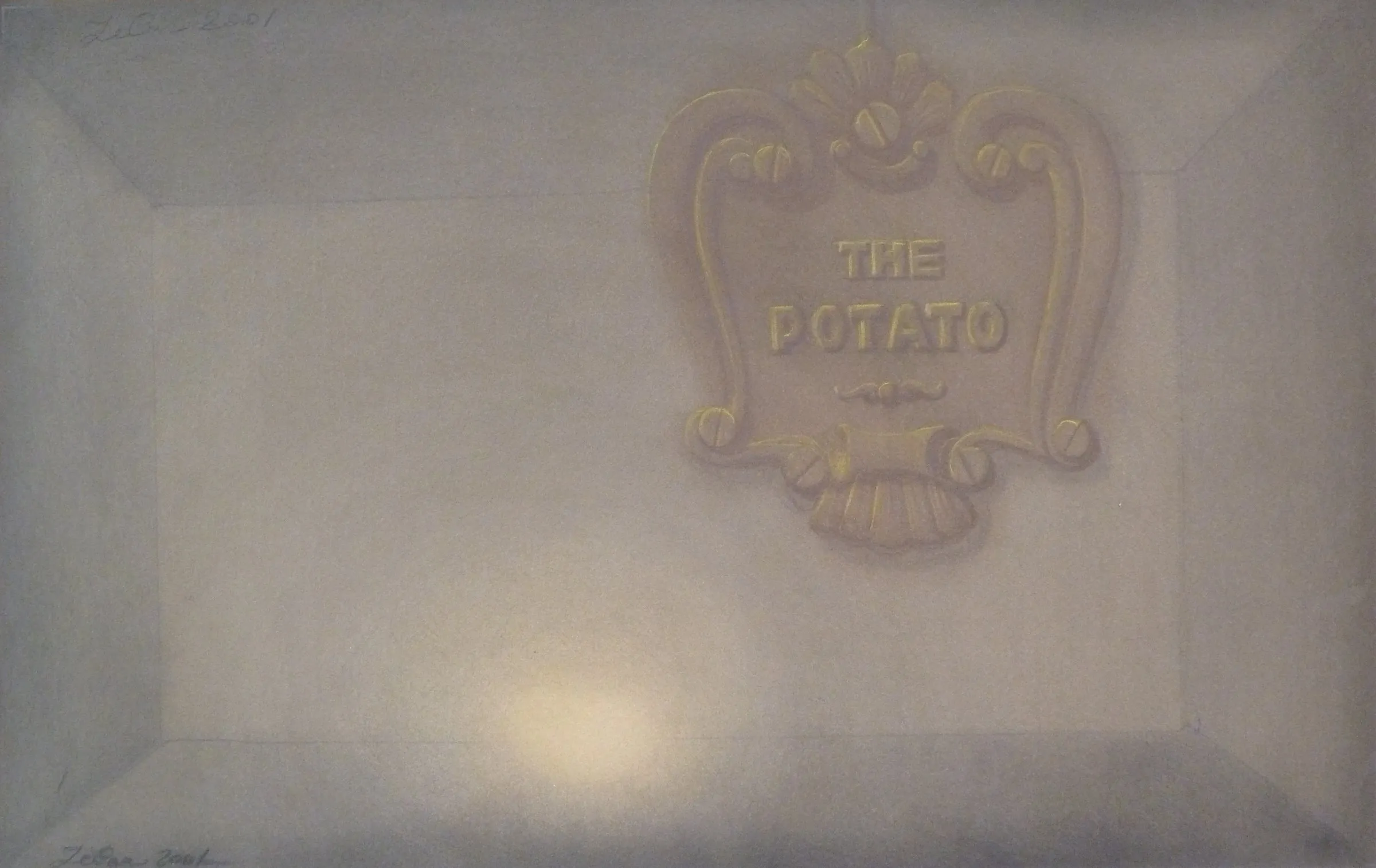
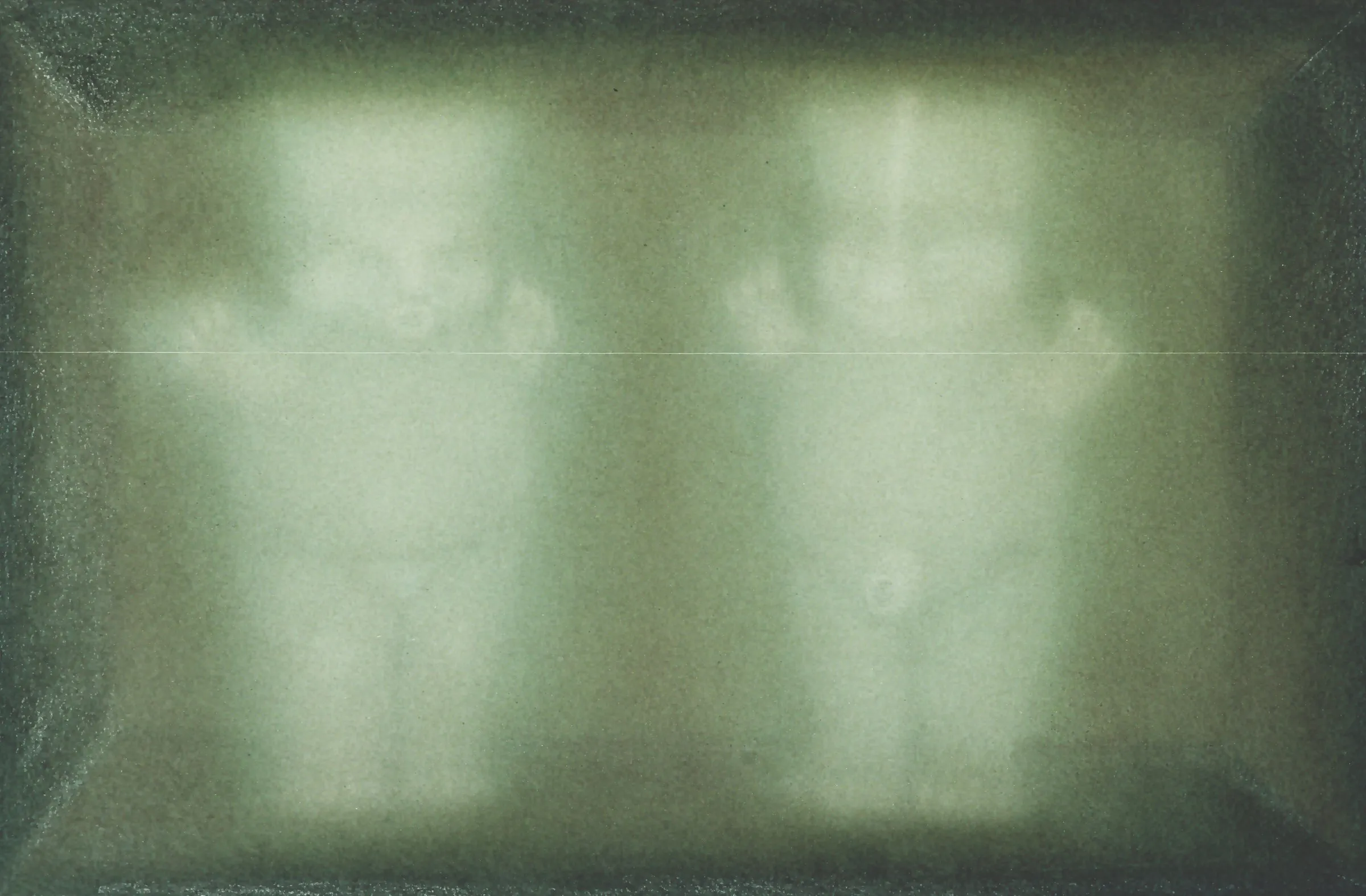
Large watercolors in which light itself becomes the subject: an apple glowing in a box, “Experiment No. 101,” the cucumber and the potato as relics, elephants beneath fruits that shine like suns. They are witty and strange, and painted with great control.
2000s
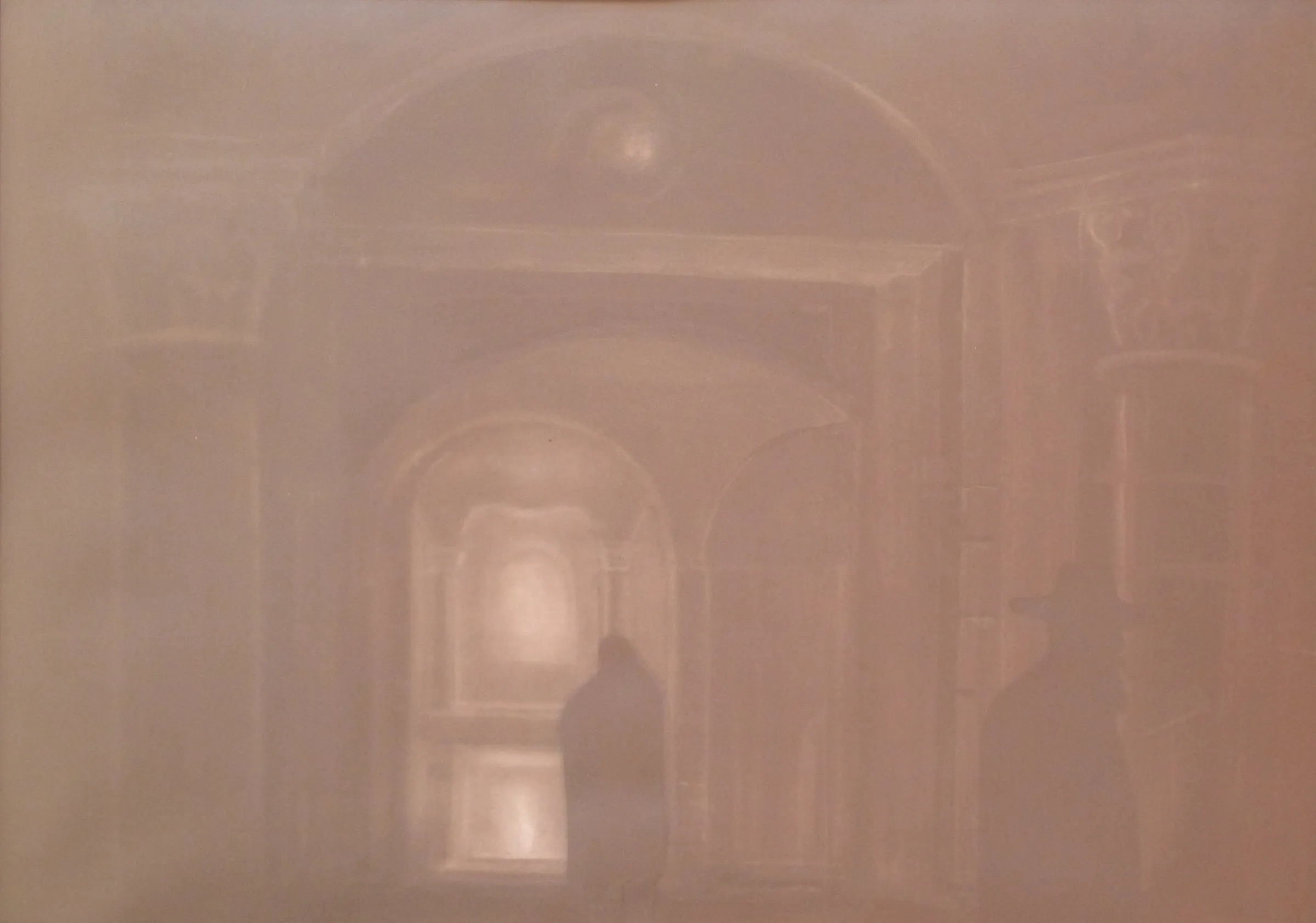
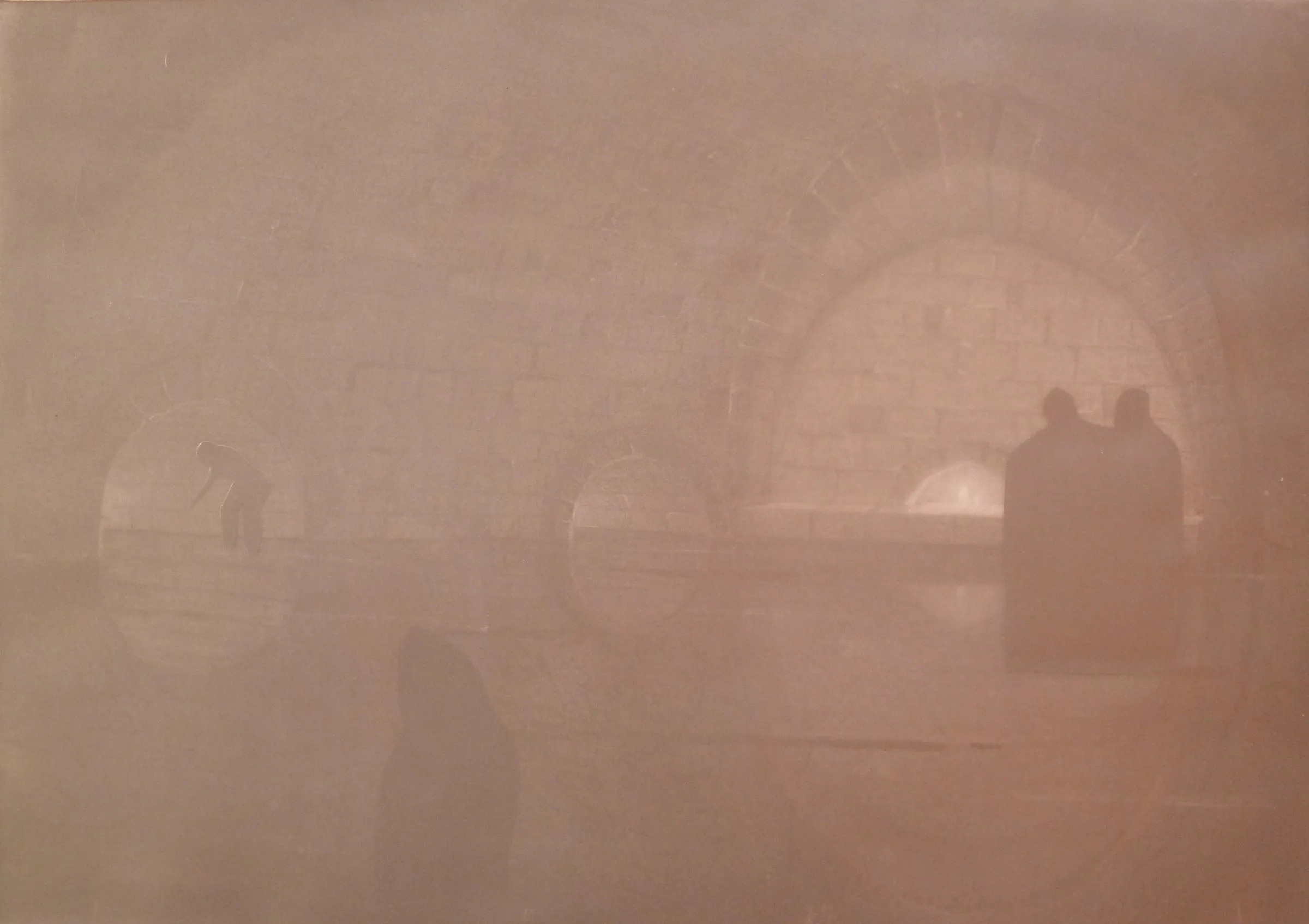
Tangle of Underground Jerusalem
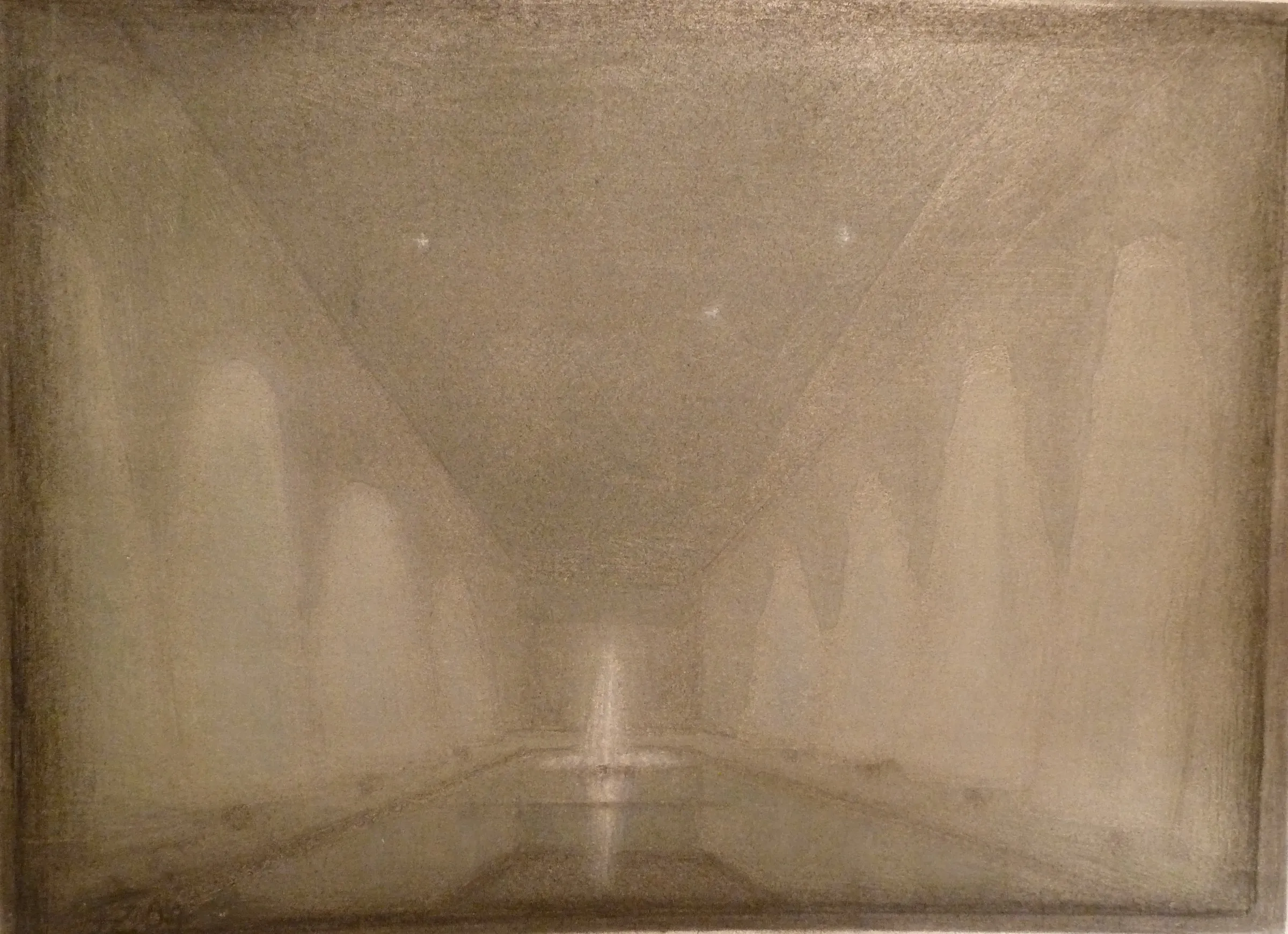
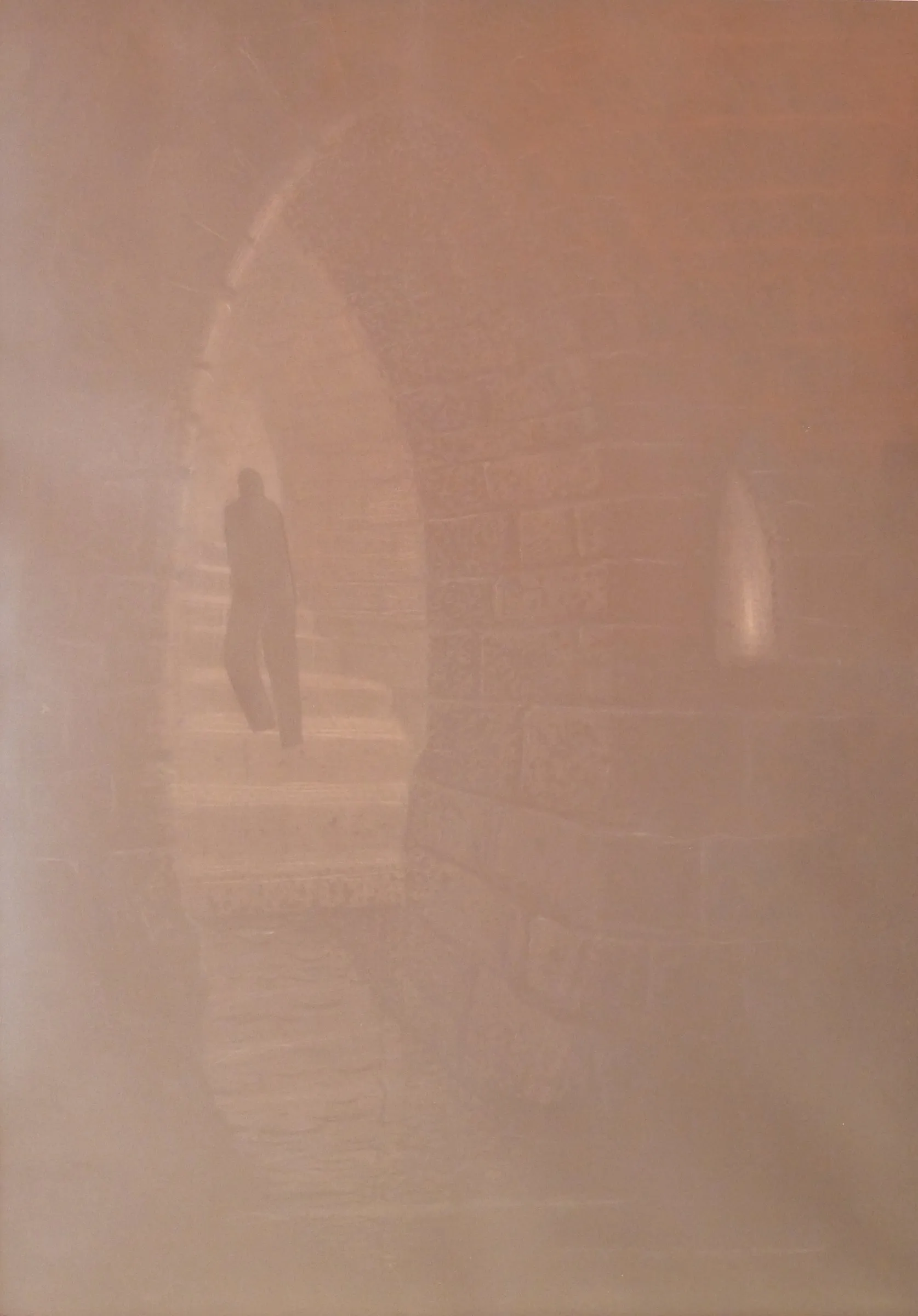
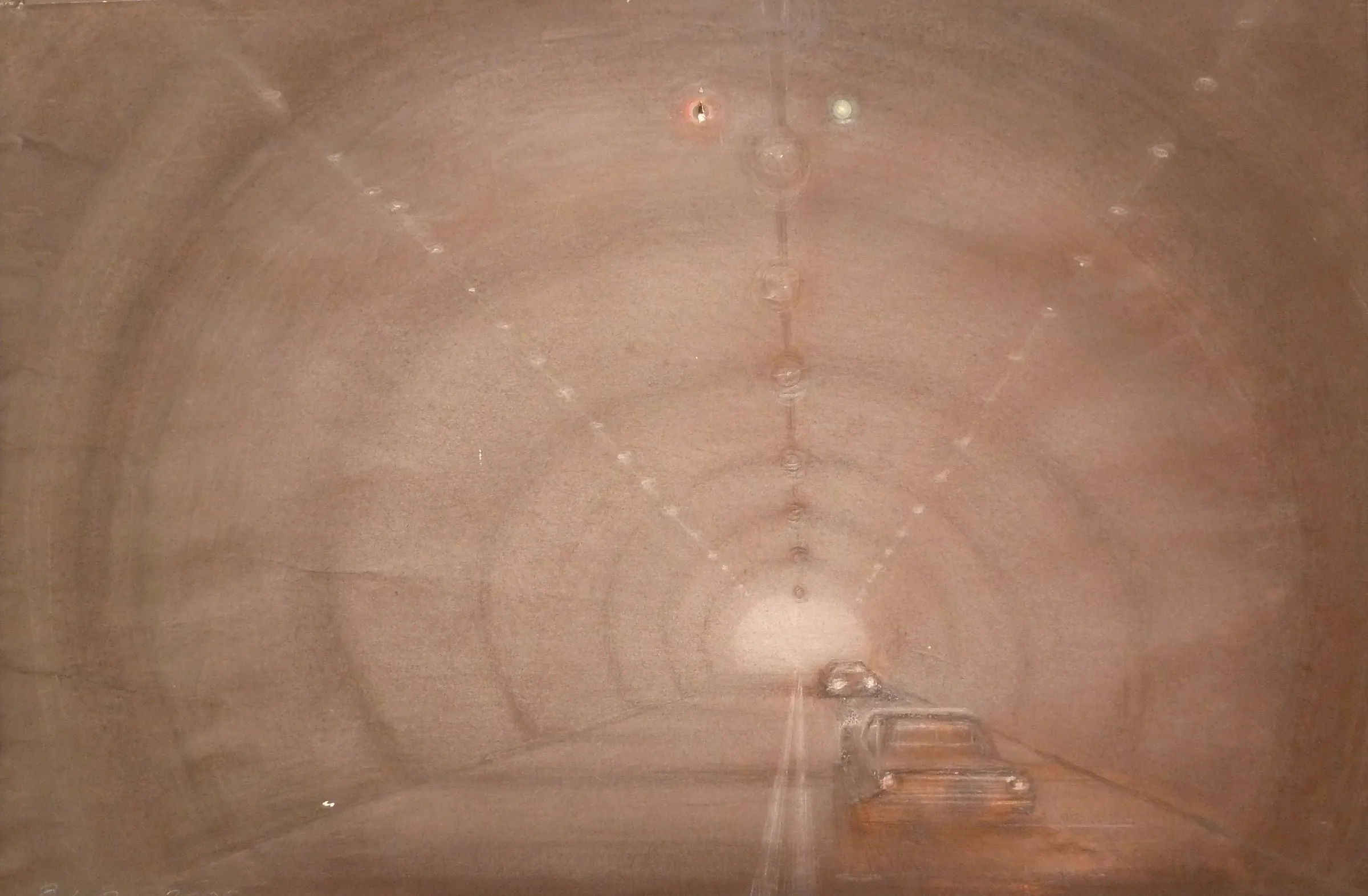
Arches, passages and tunnels beneath the Old City, with small figures moving towards the light. Tunnel Road (2006) brings the same vision to a modern Jerusalem road tunnel.
1980s–2009
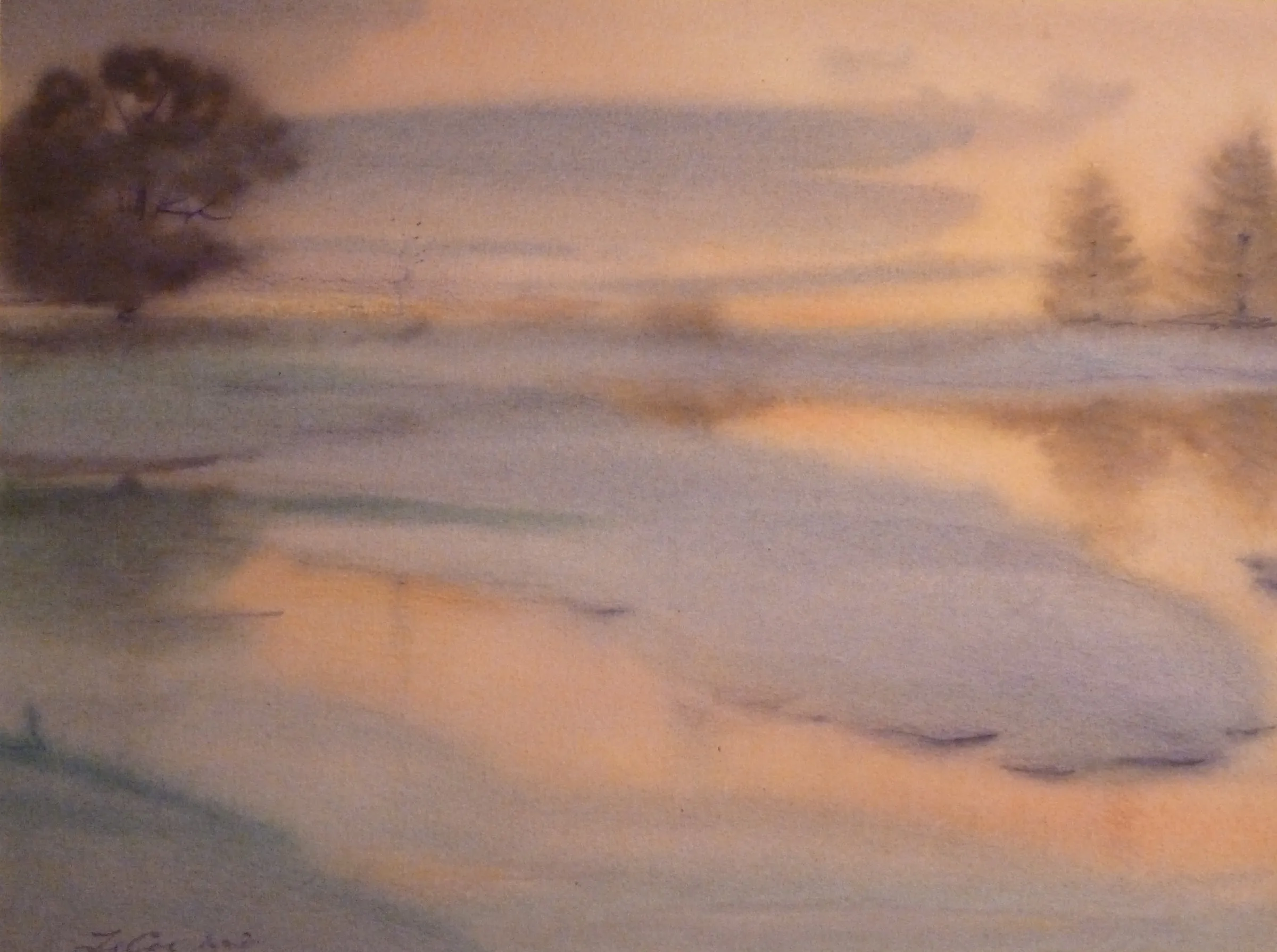
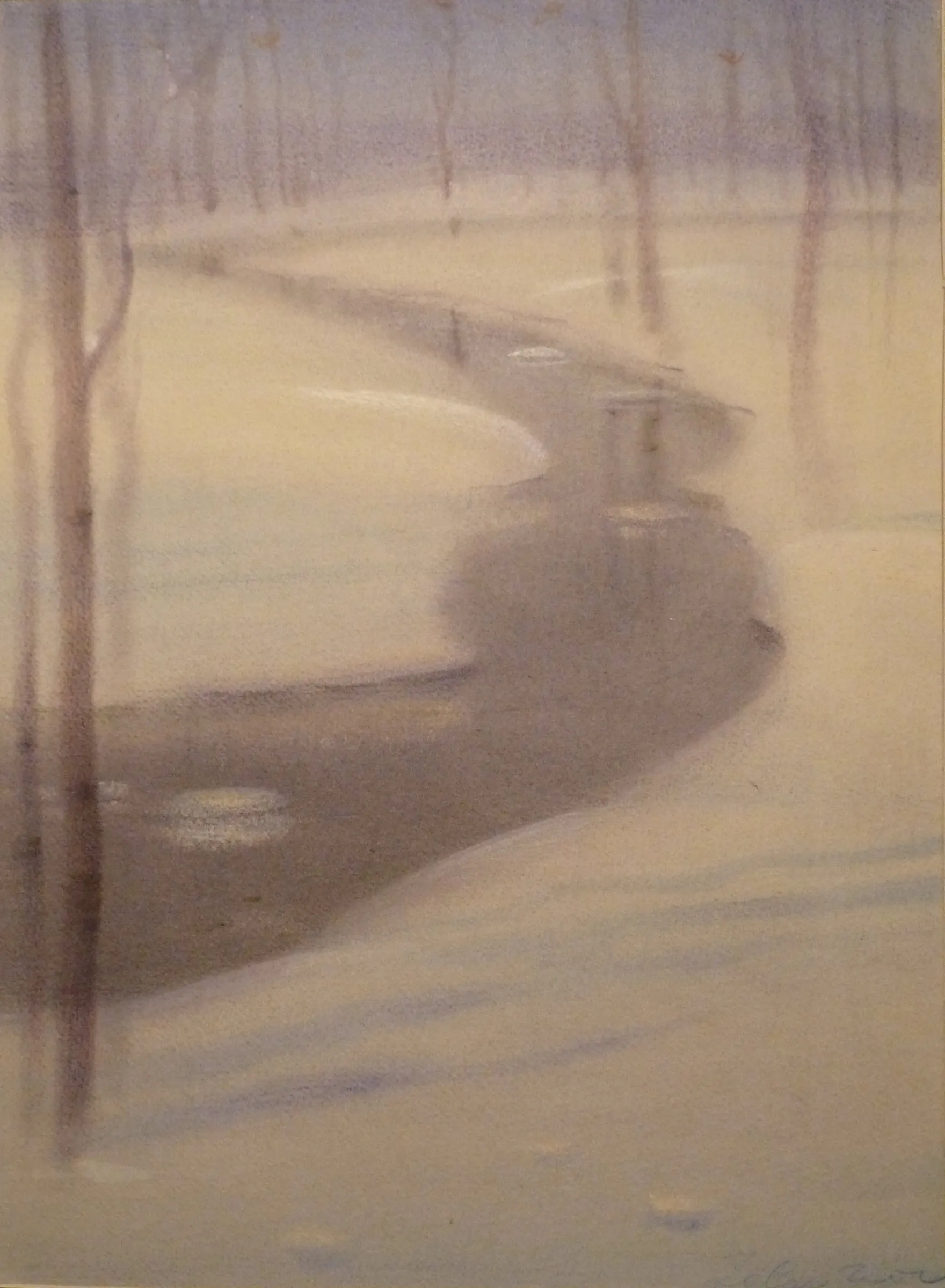
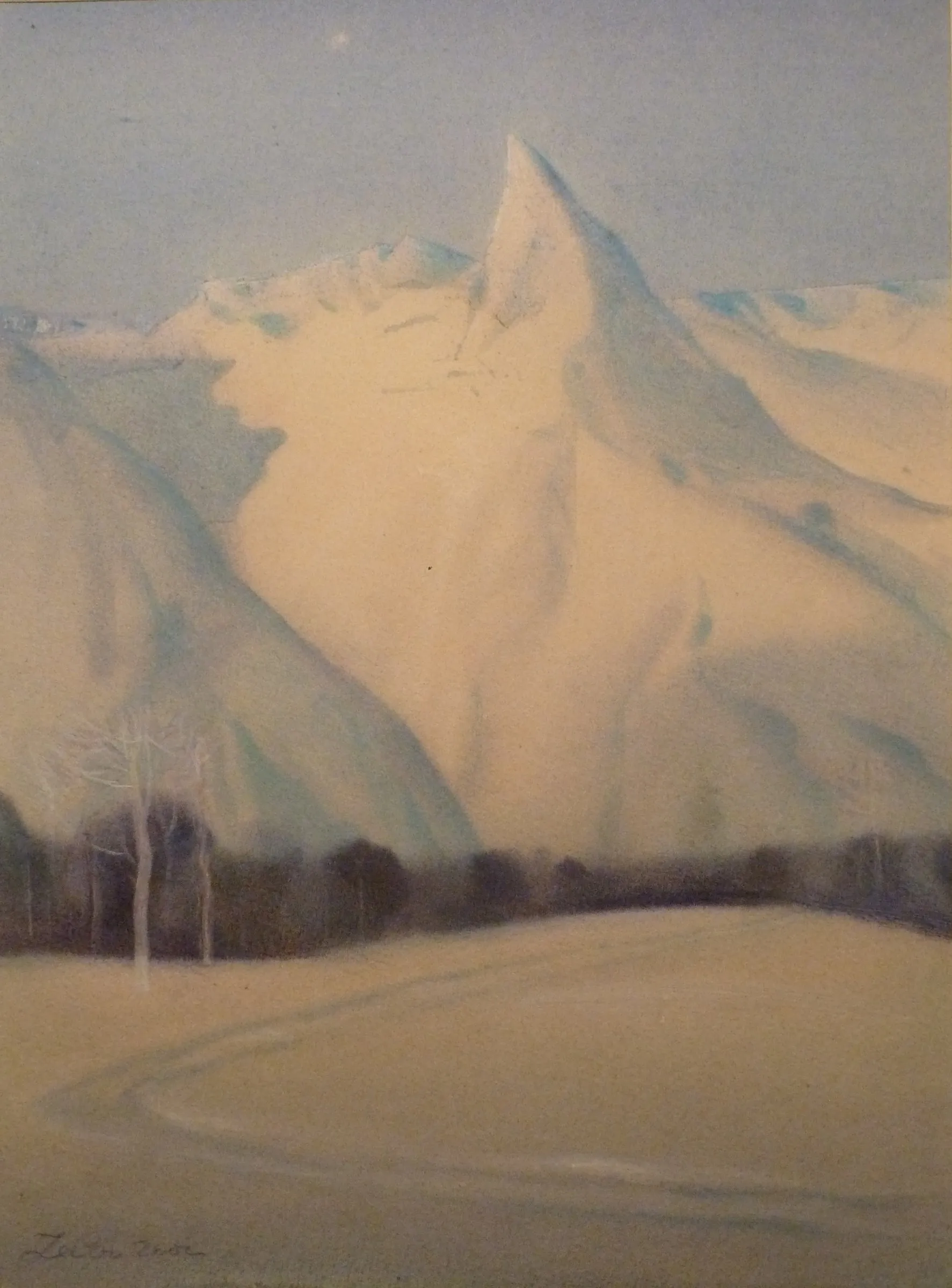
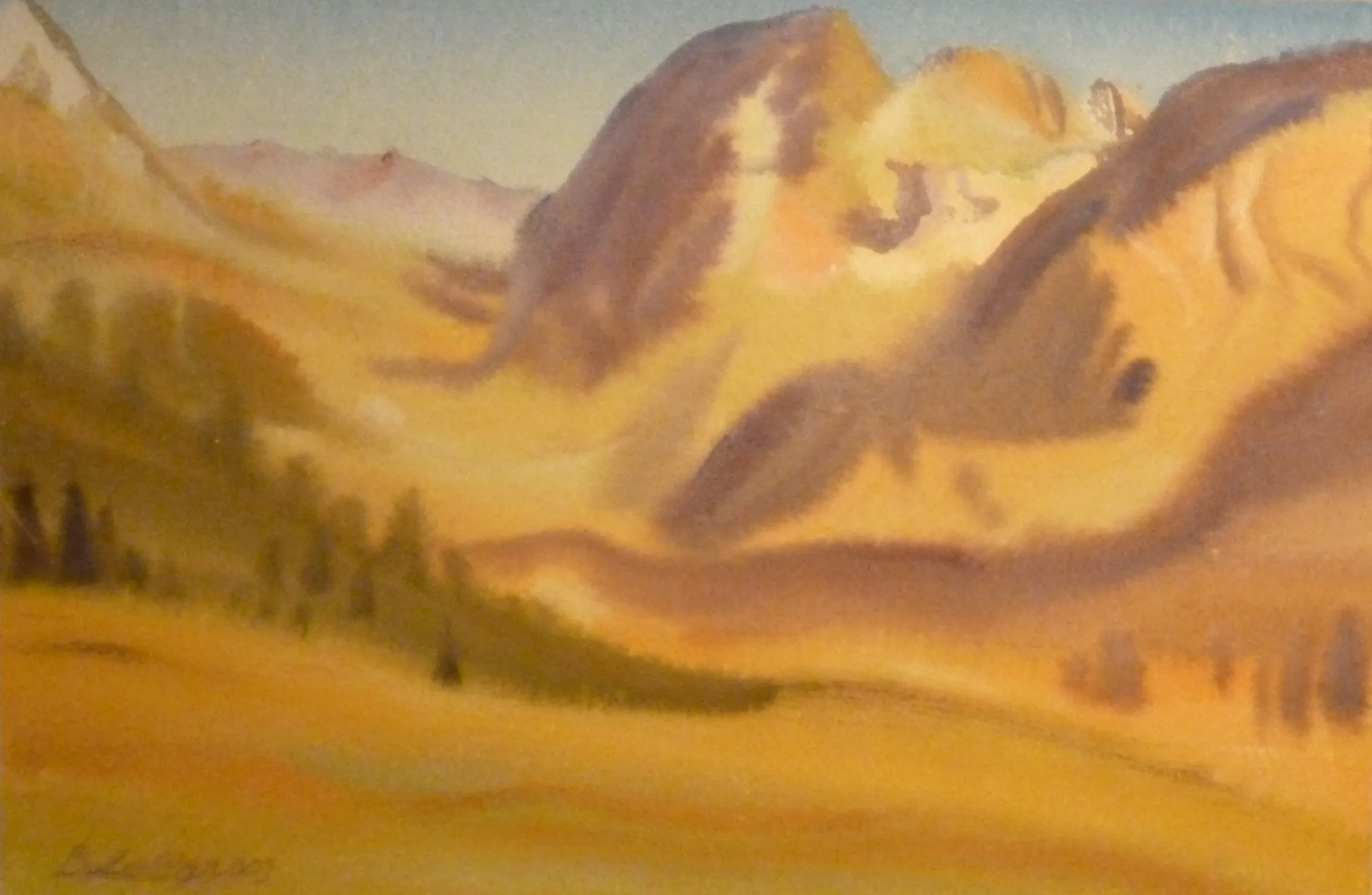
Mountains, Snow and Water
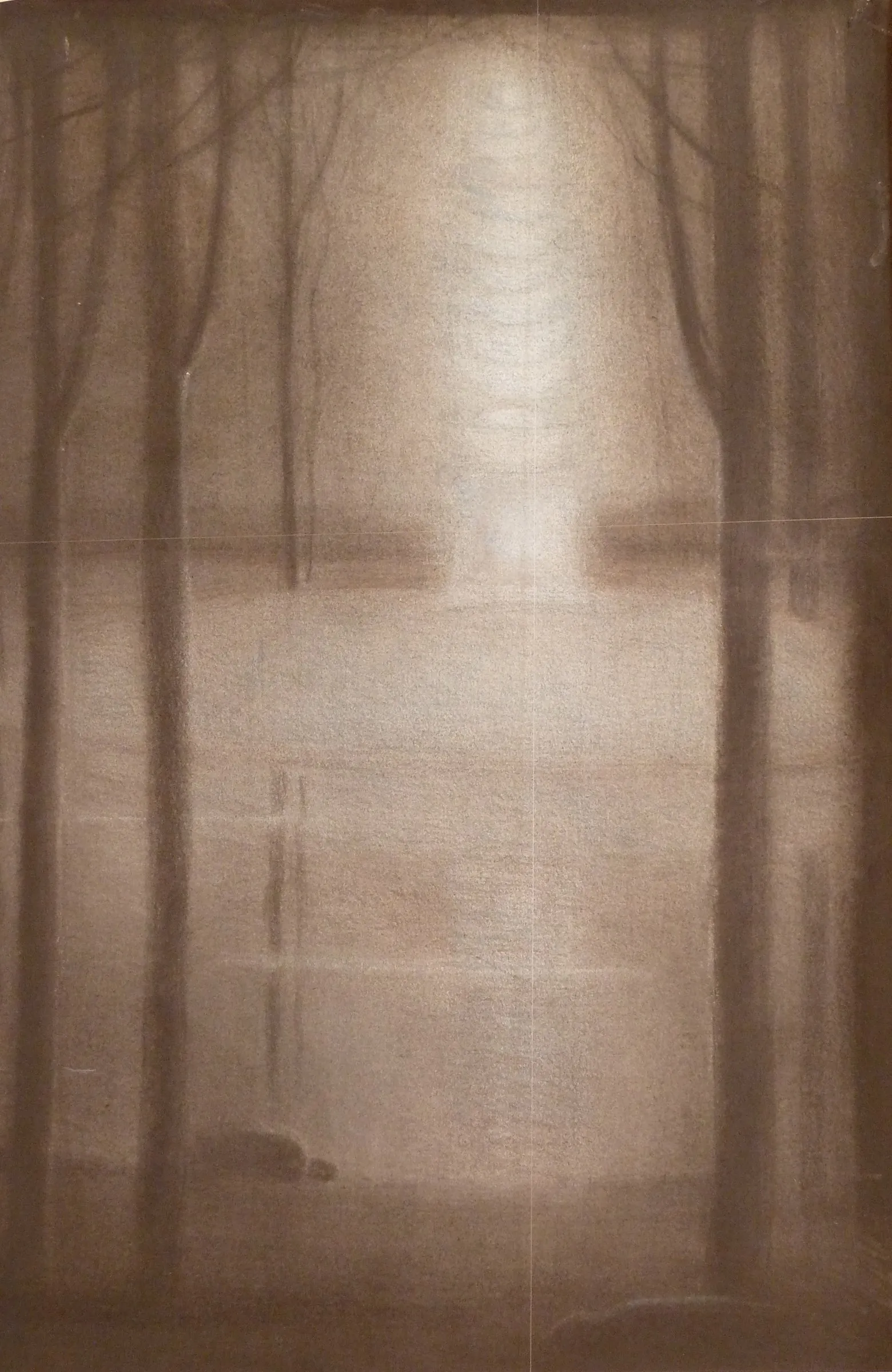
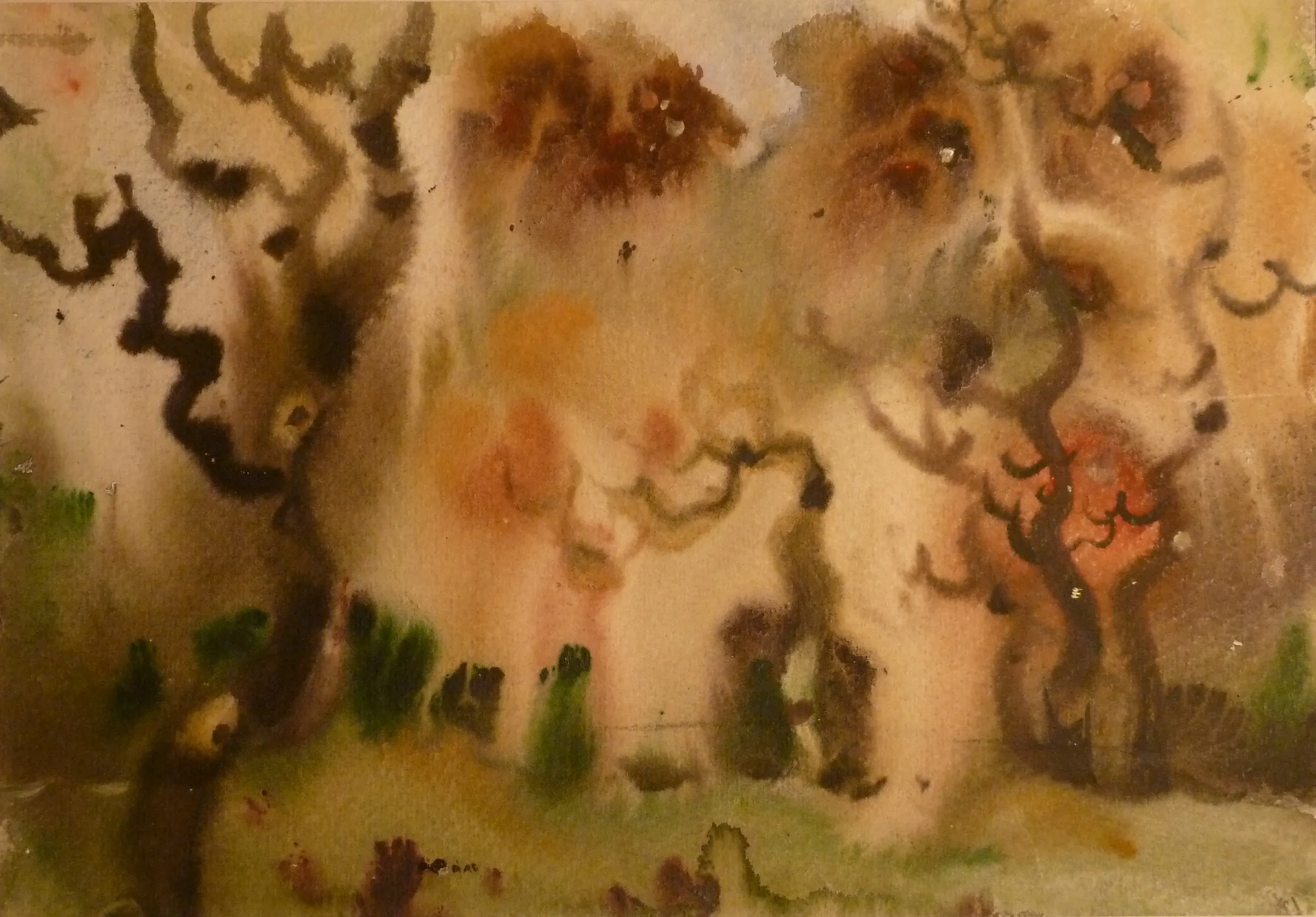
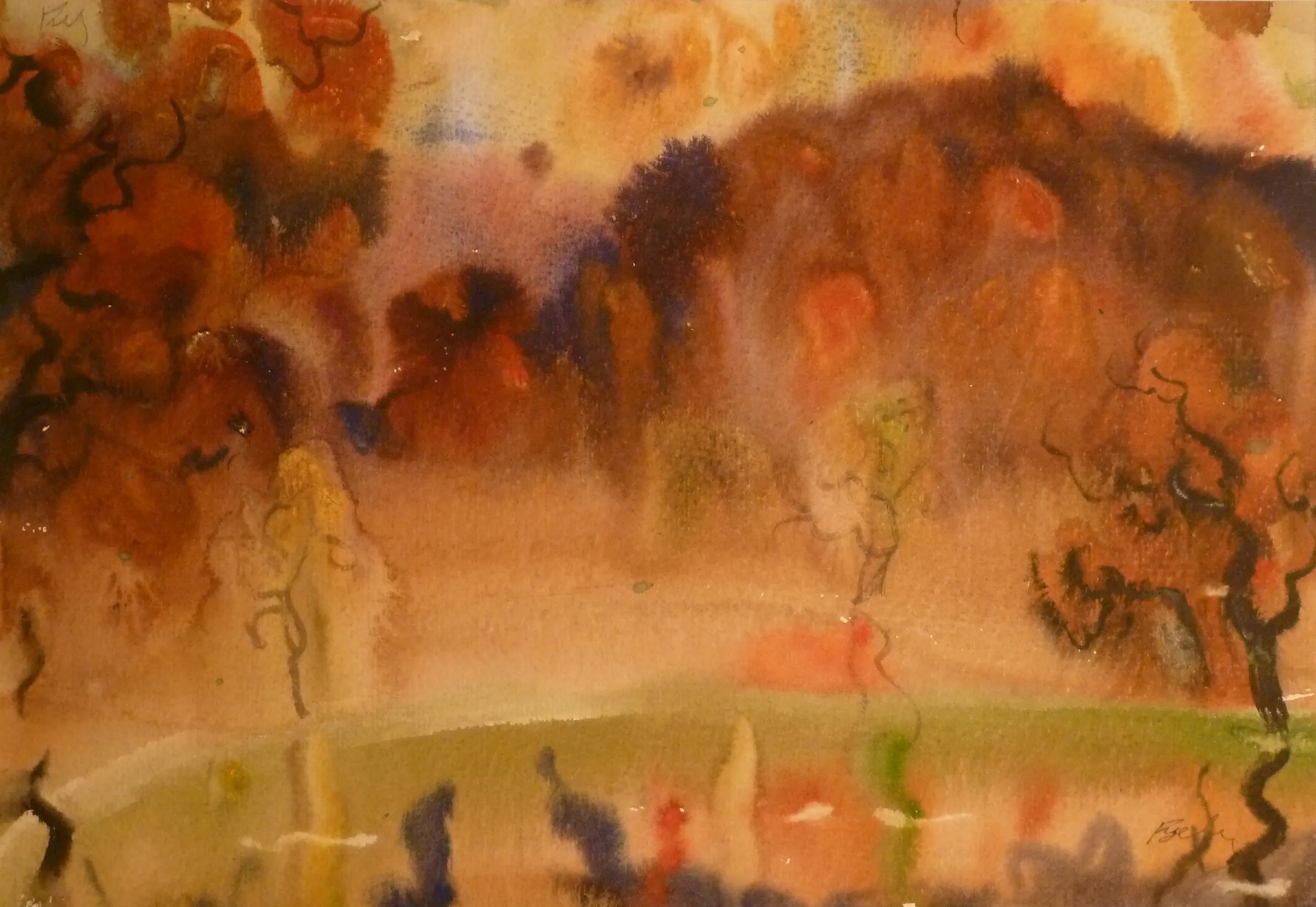
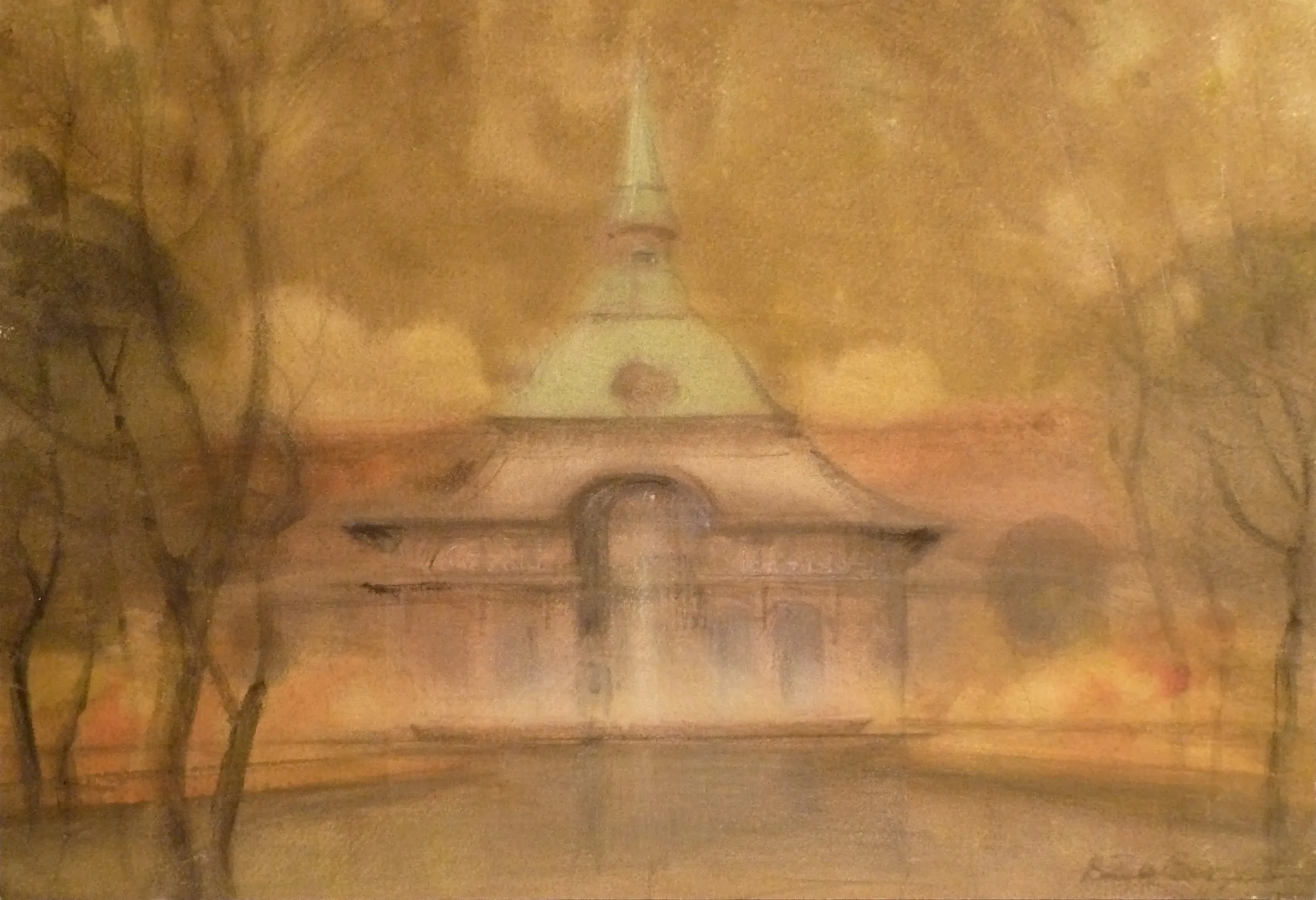
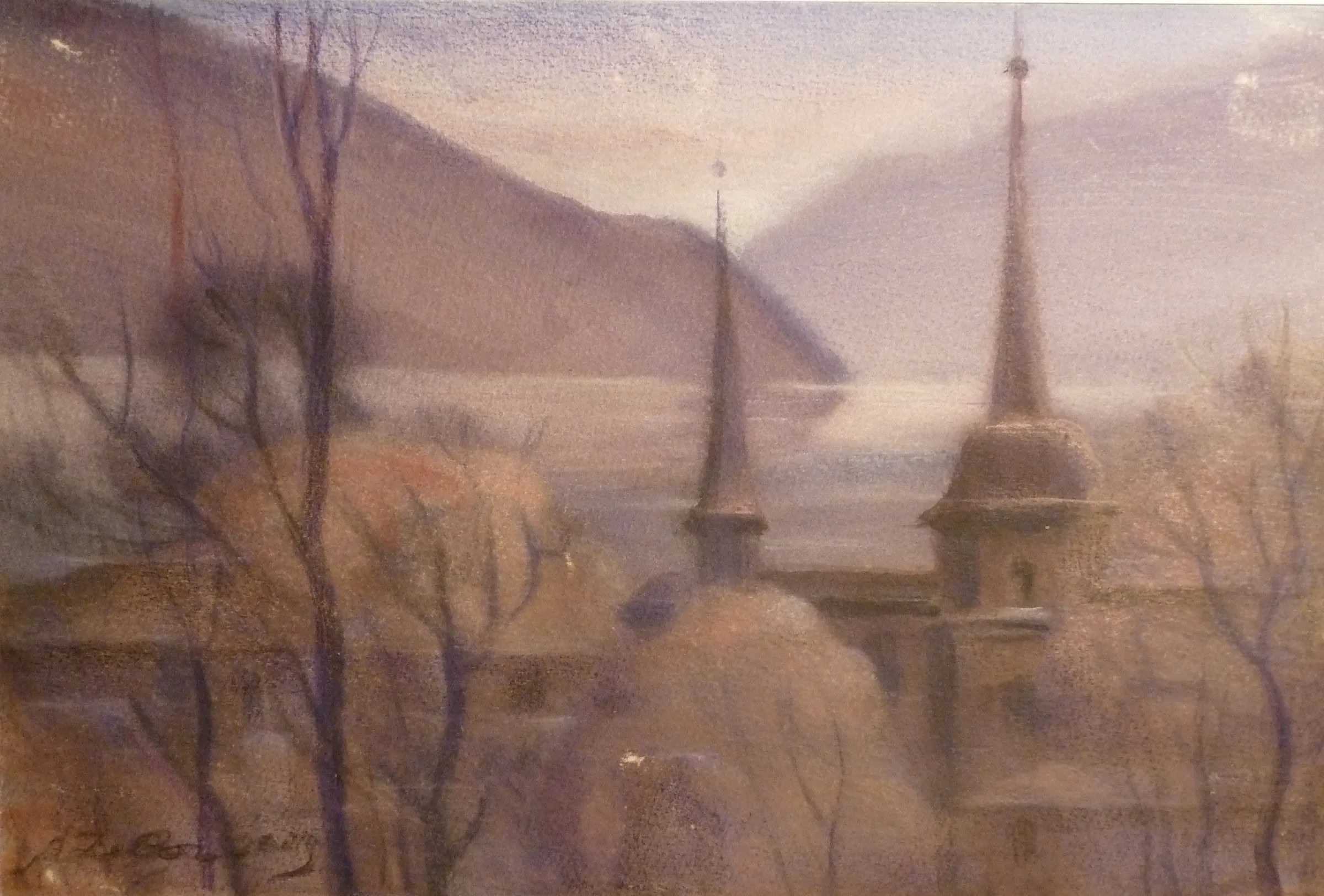
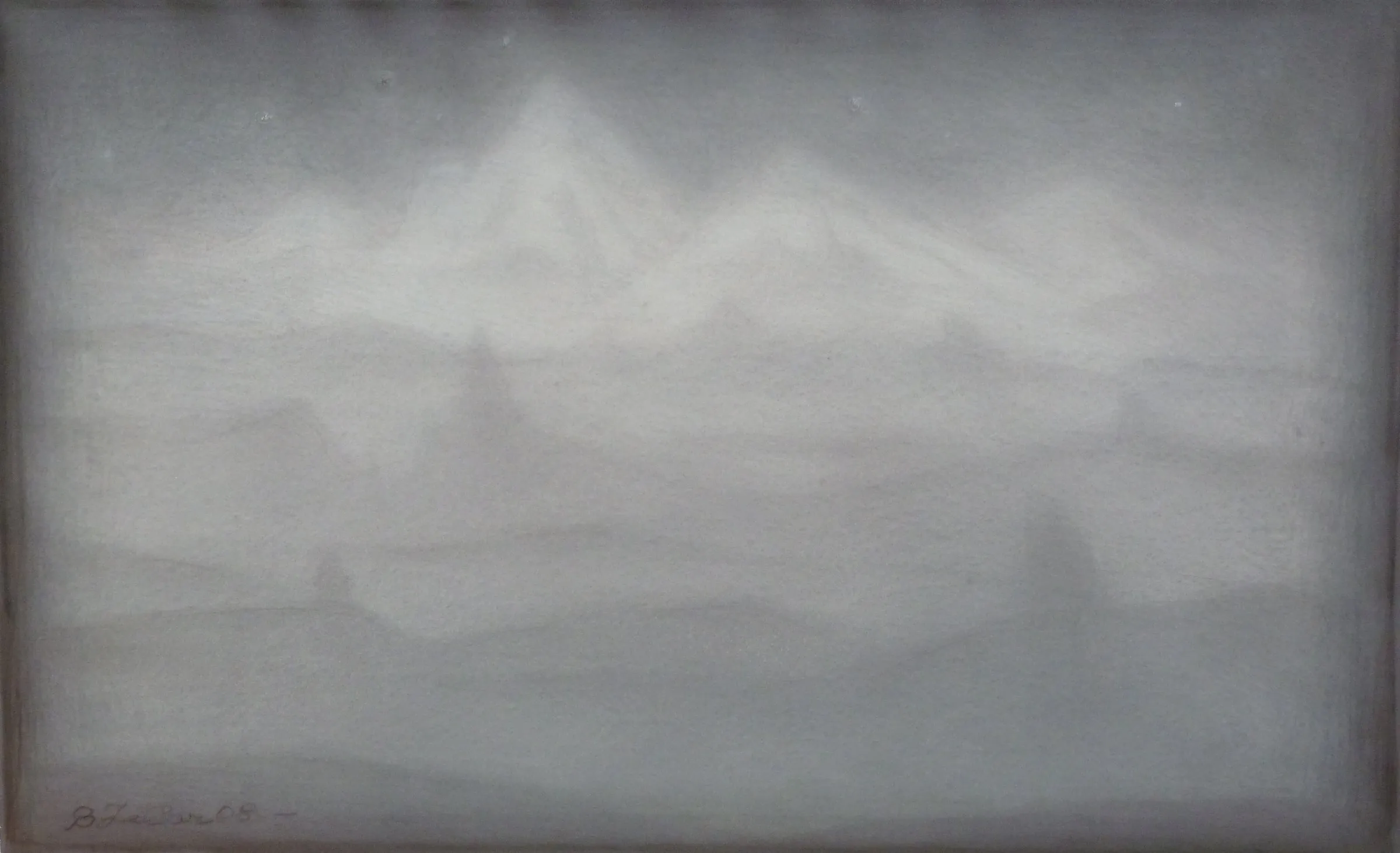
From free, wet-on-wet watercolors of the 1980s to the refined winter rivers, golden mountains and the Himalaya of his last years.
2004
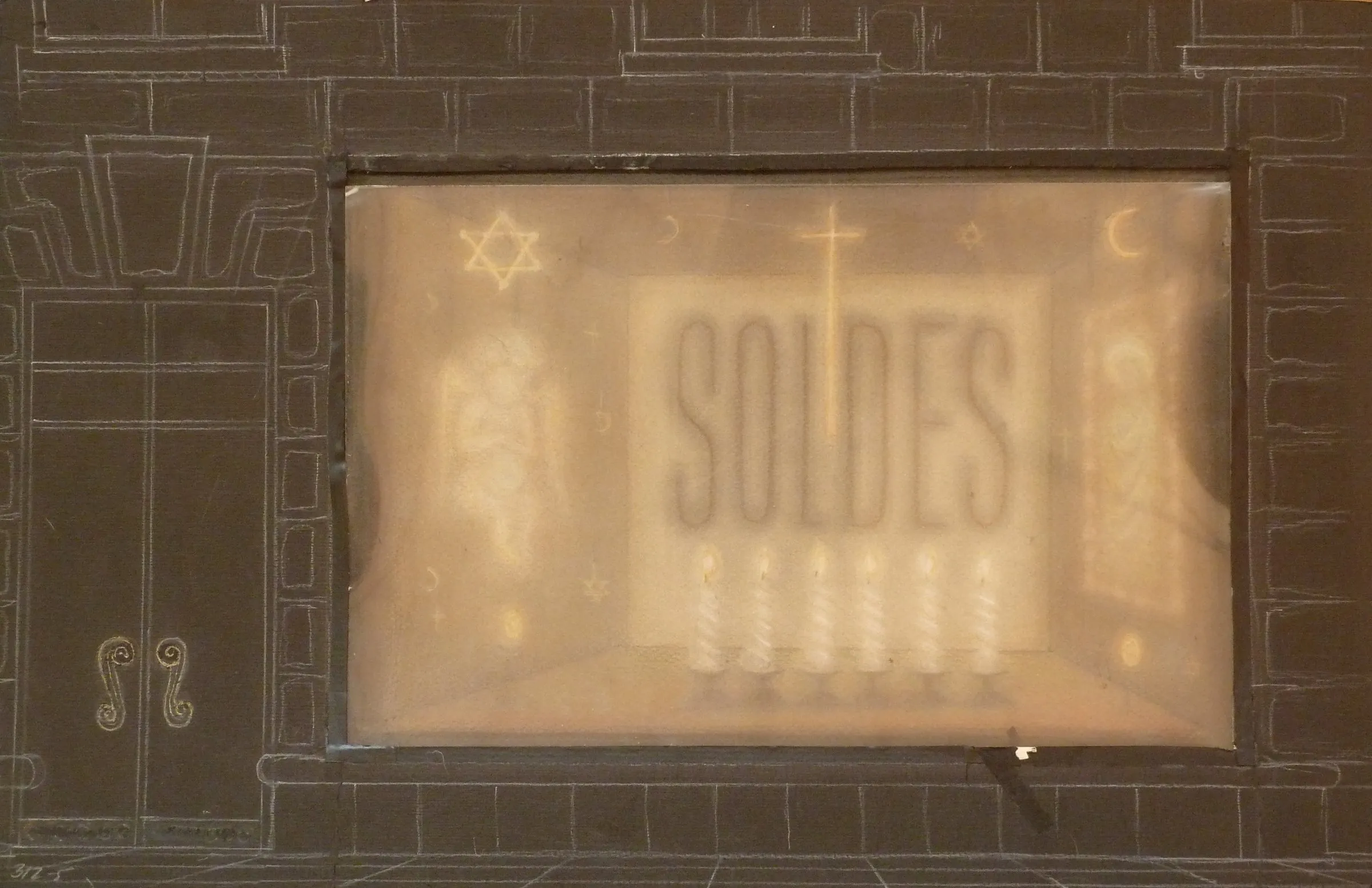
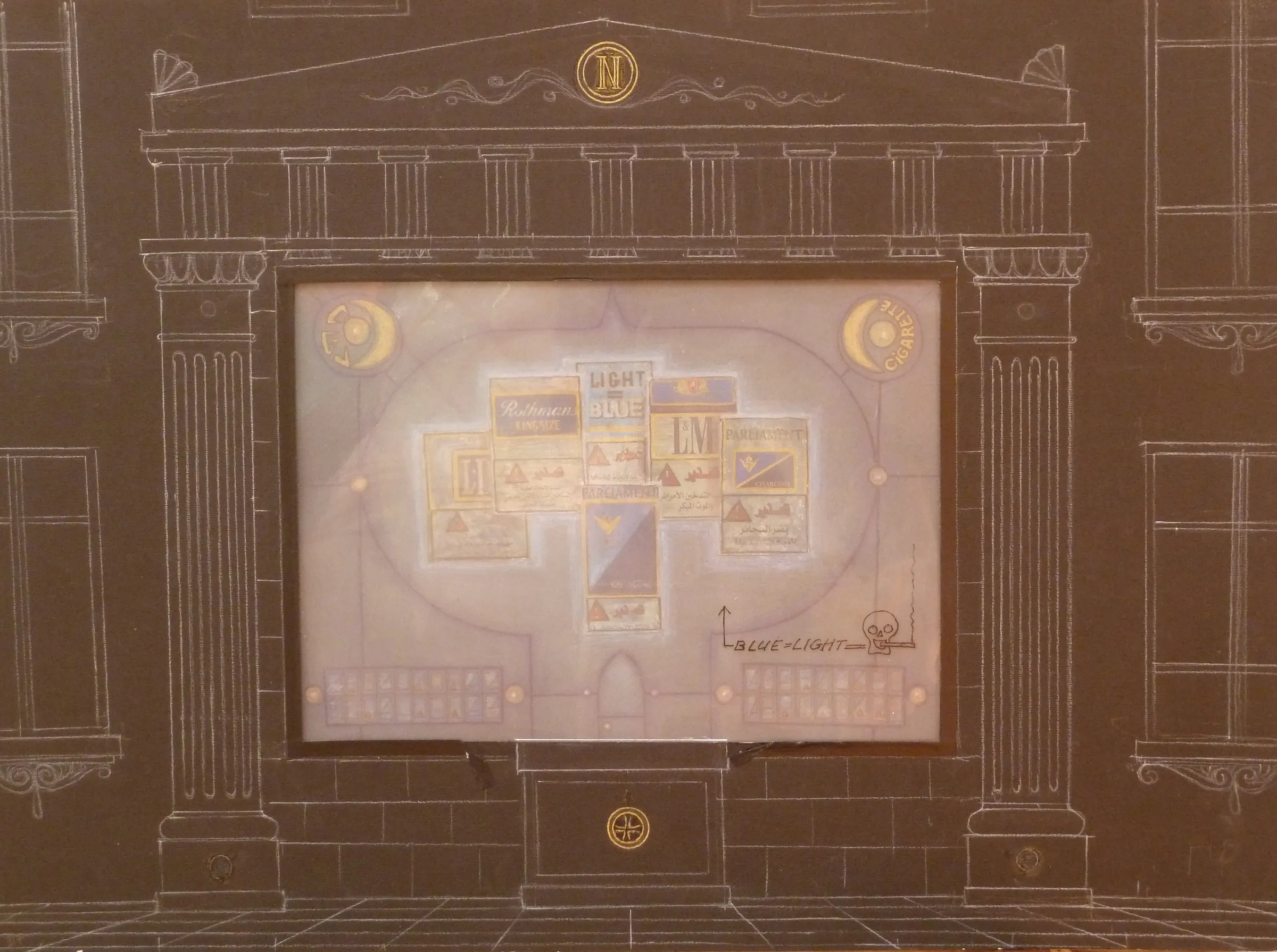
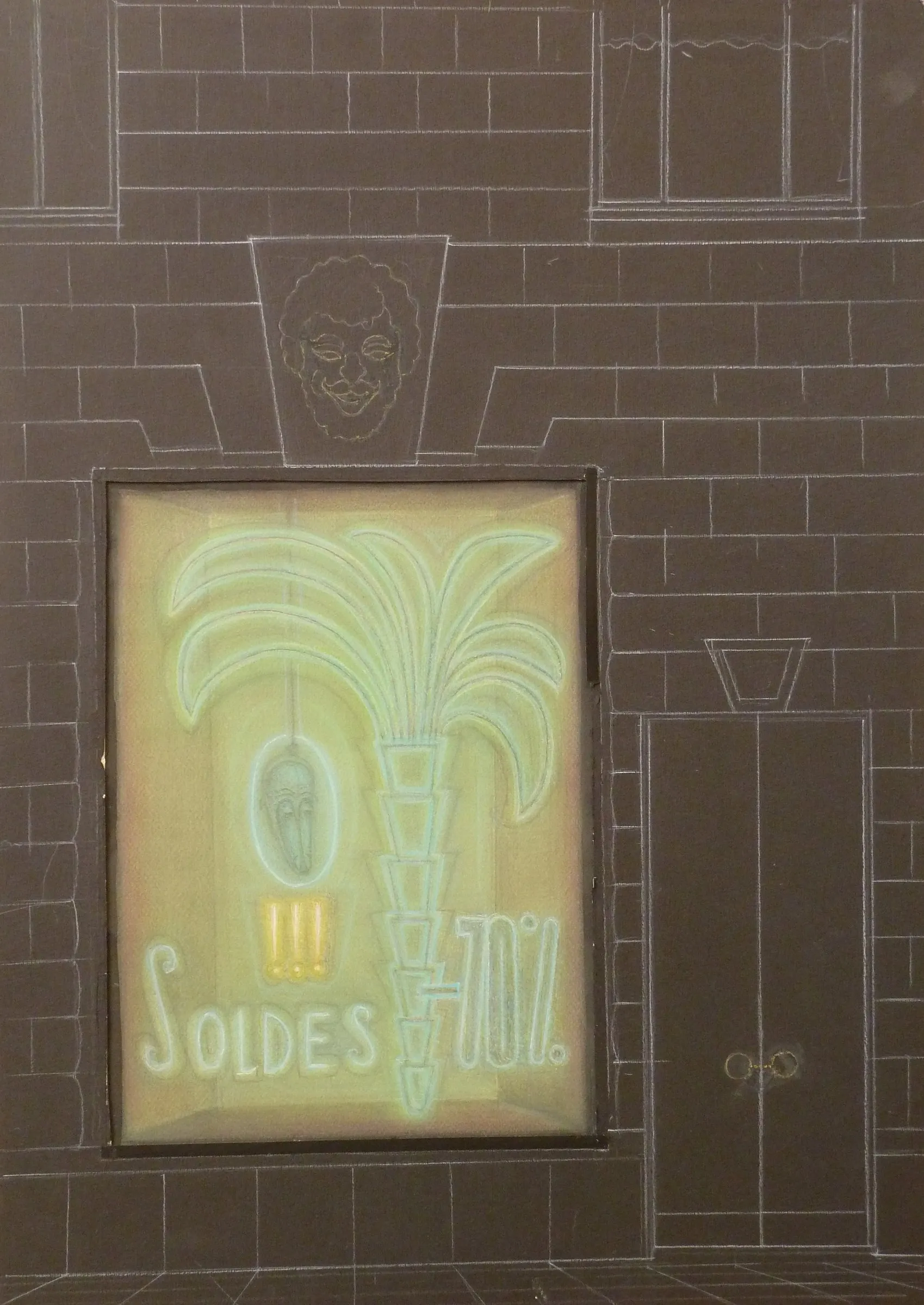
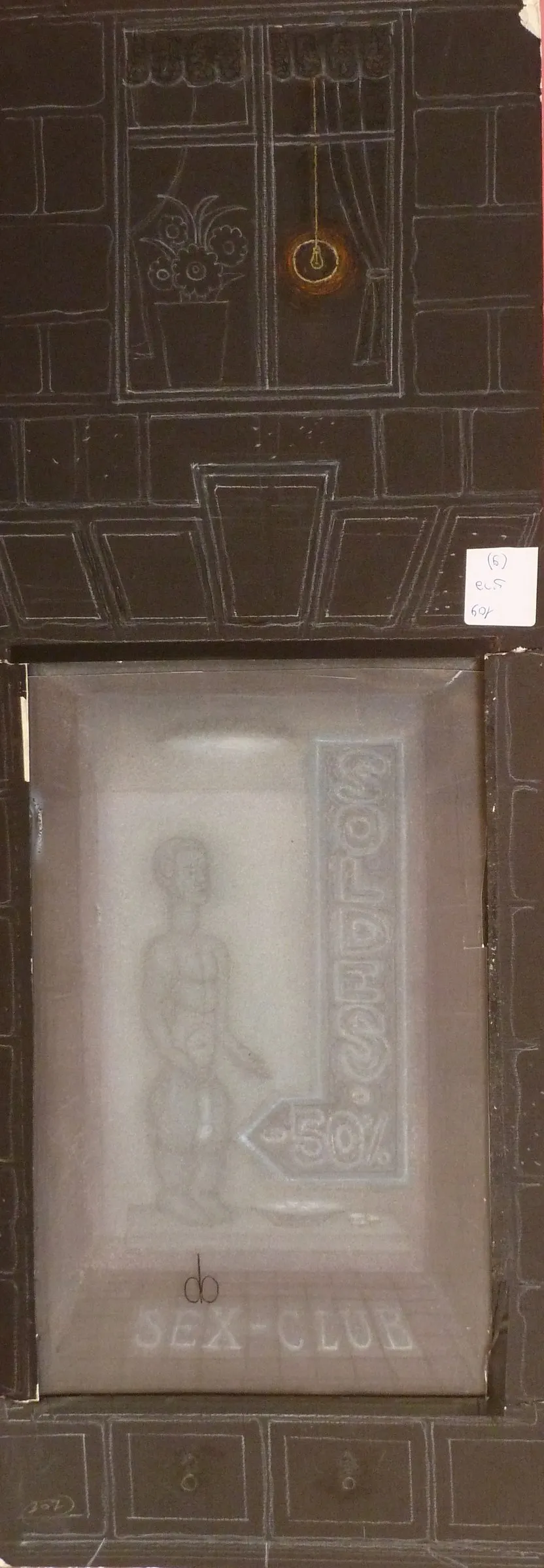
Display Windows
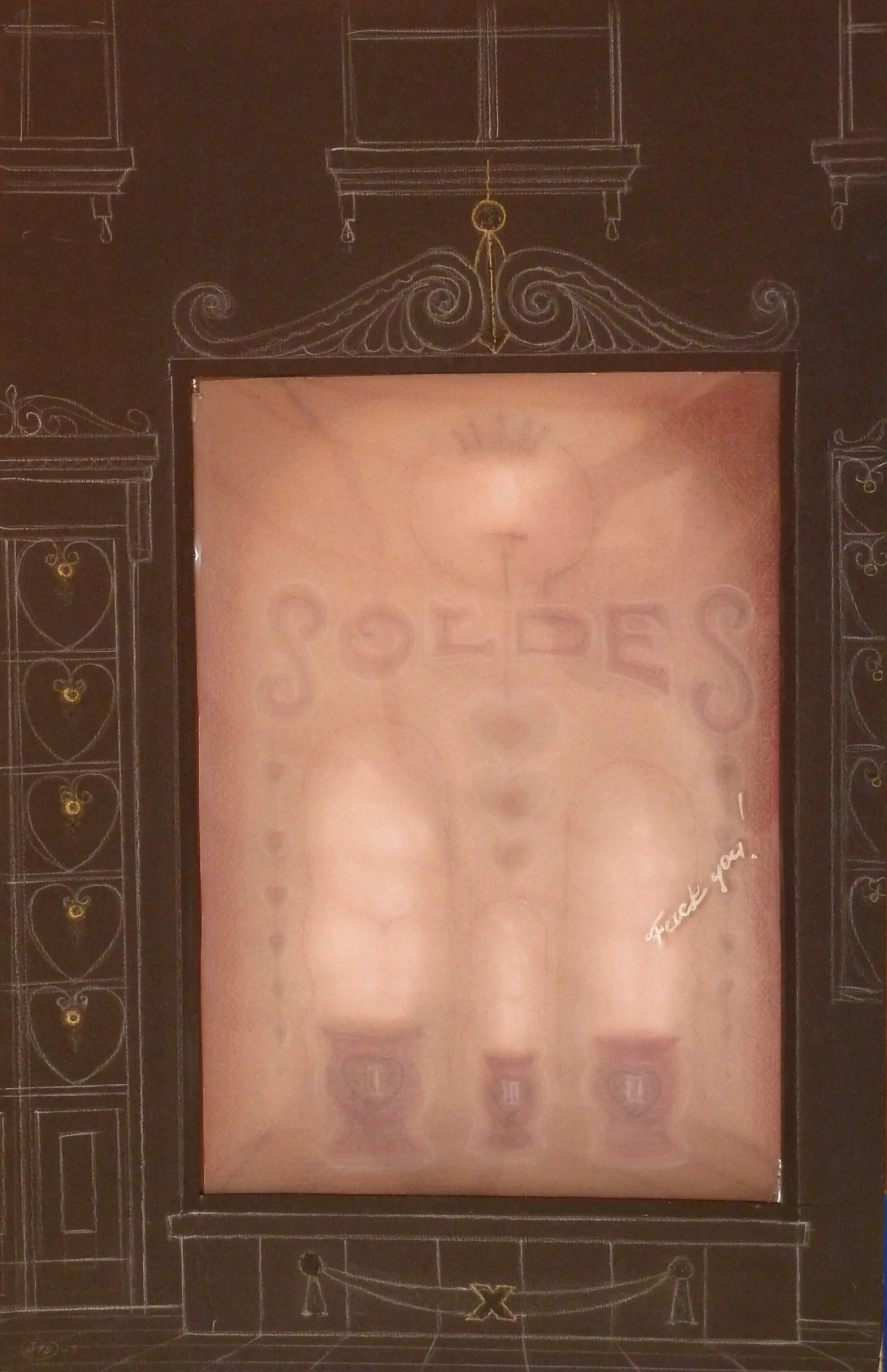
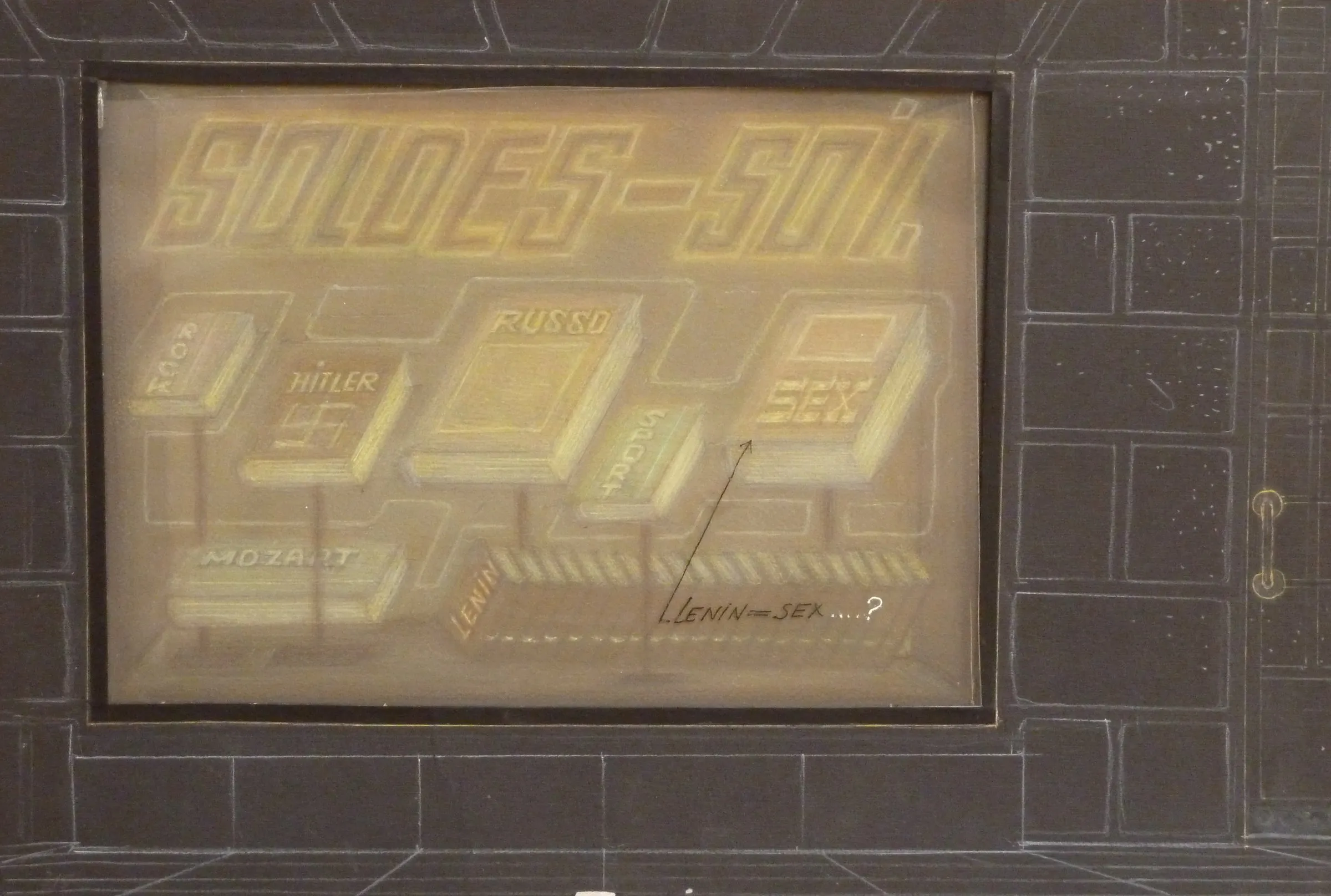
A satirical series painted in Paris. Shop windows framed like shrines advertise “Soldes”, and sacred symbols, famous names and slogans are offered for sale side by side. The provocations are deliberate: the series is a commentary on a culture in which everything, faith, history and ideology included, becomes merchandise.
2004–2005
Paris
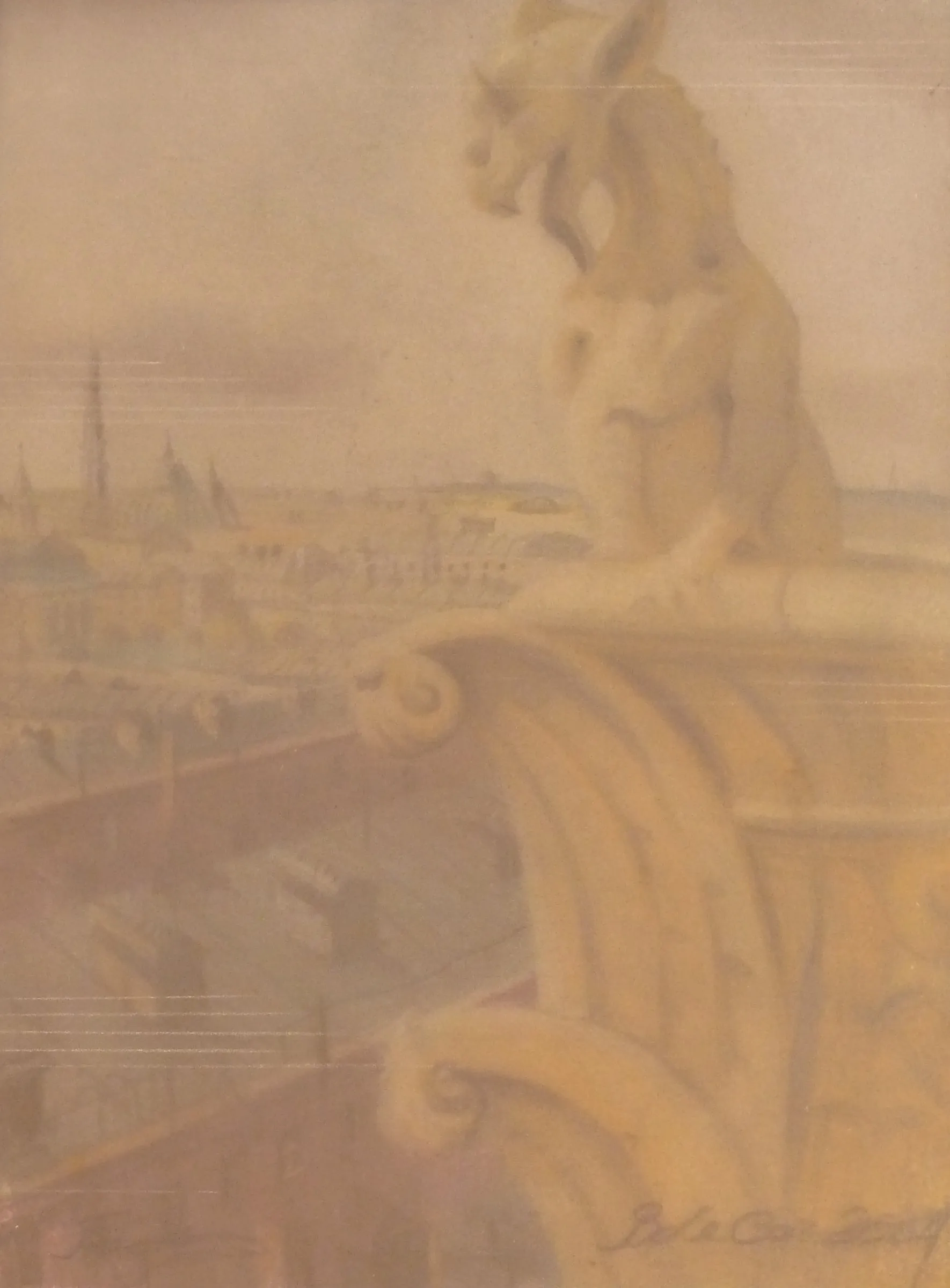
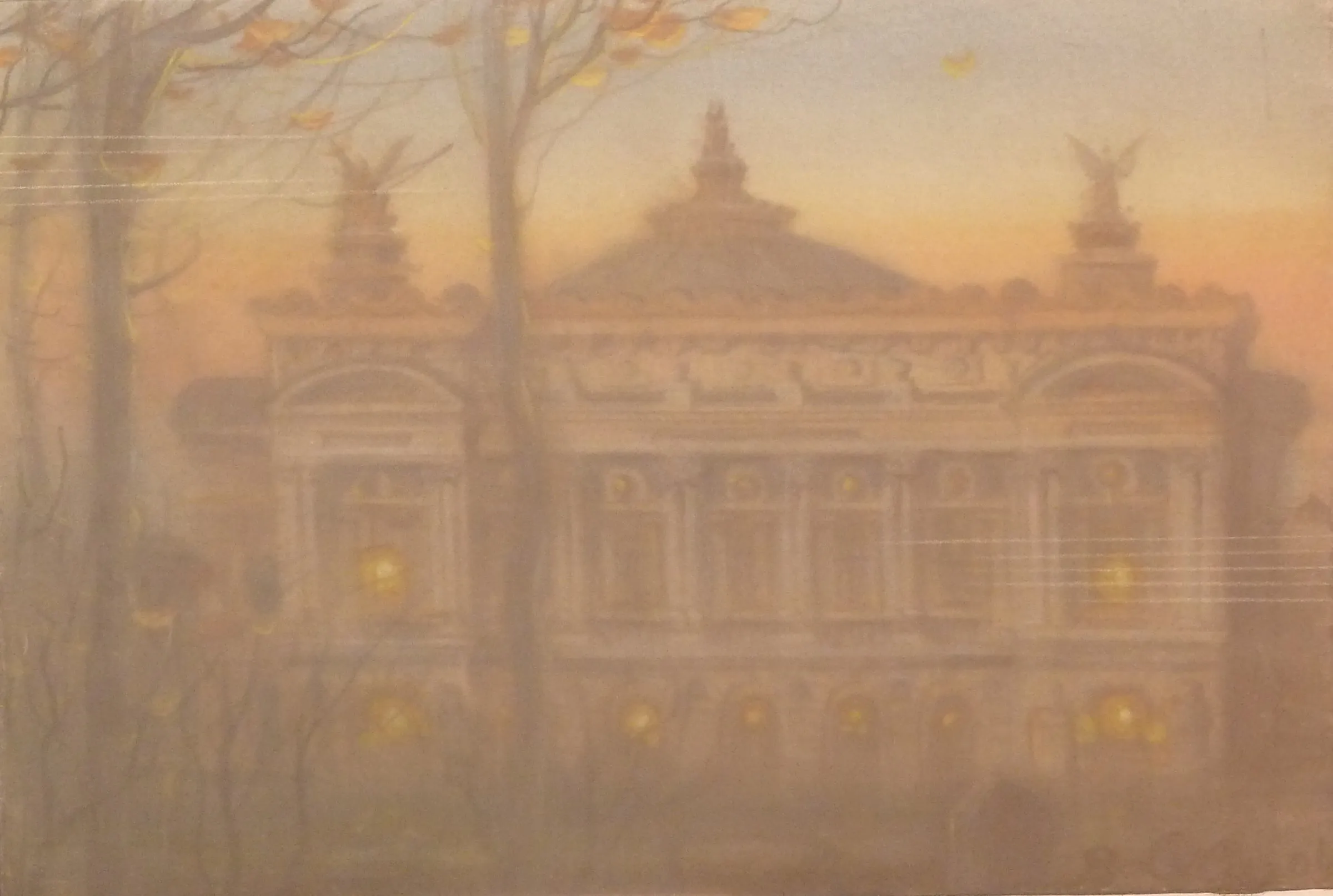
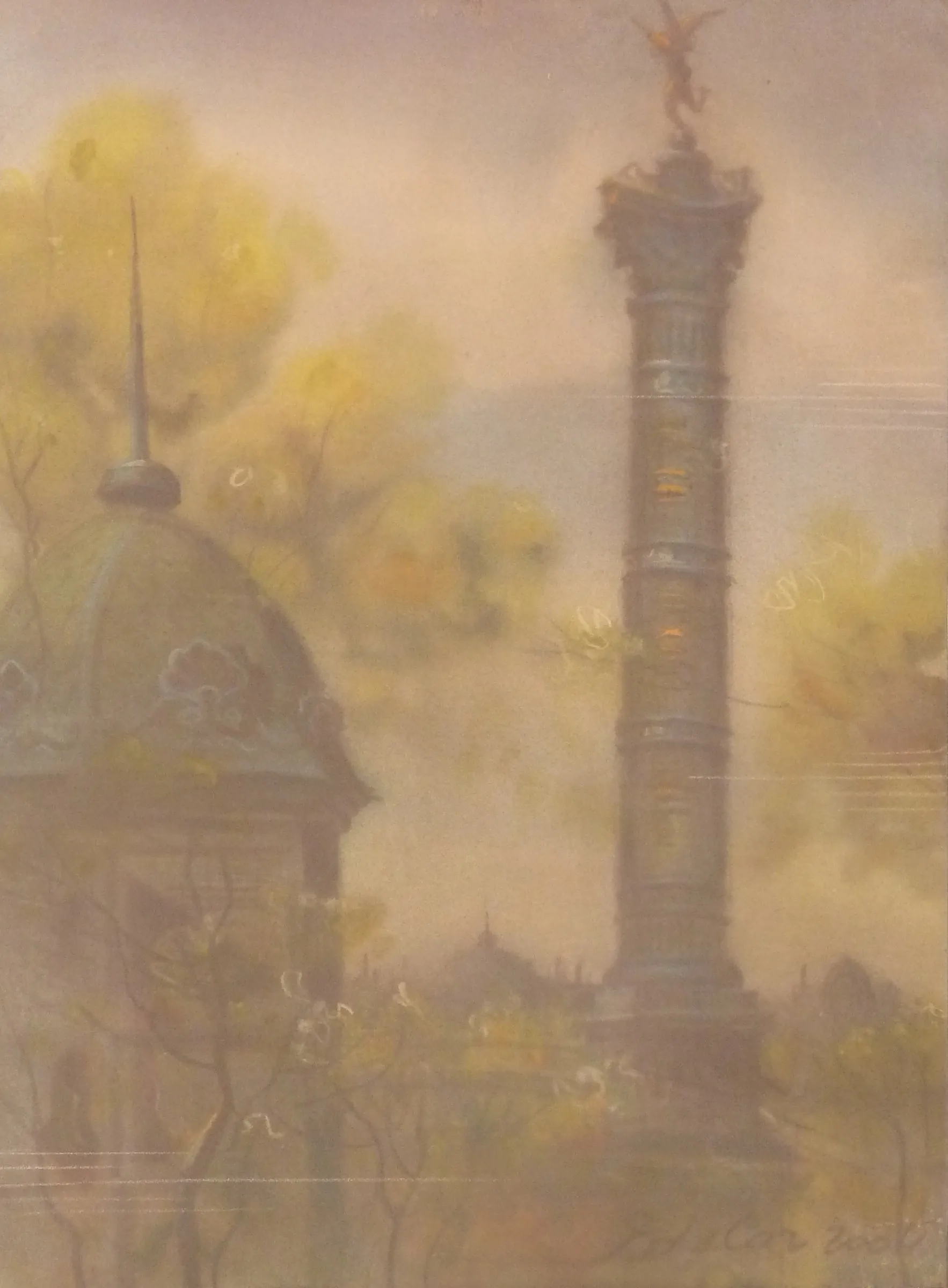
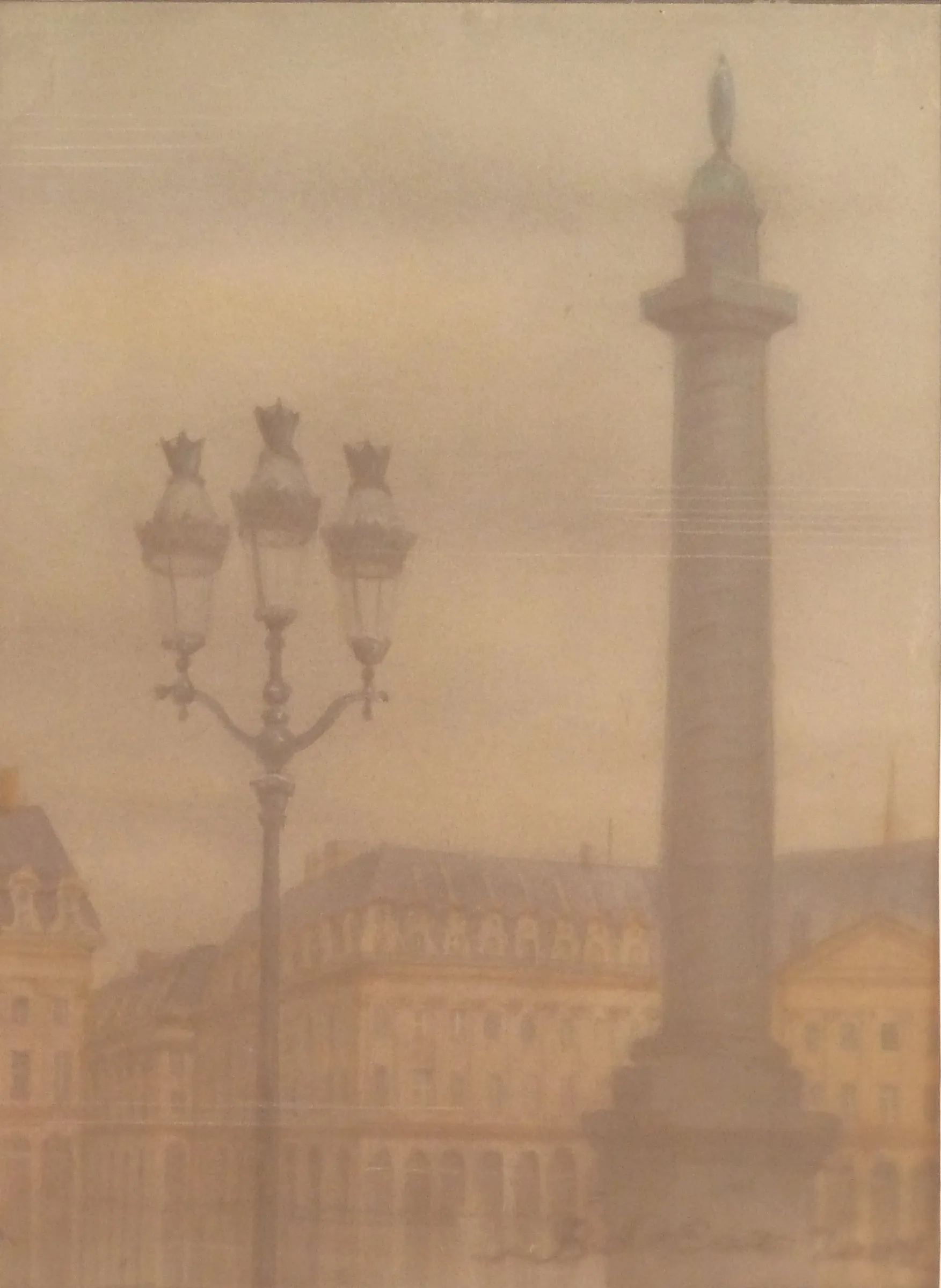
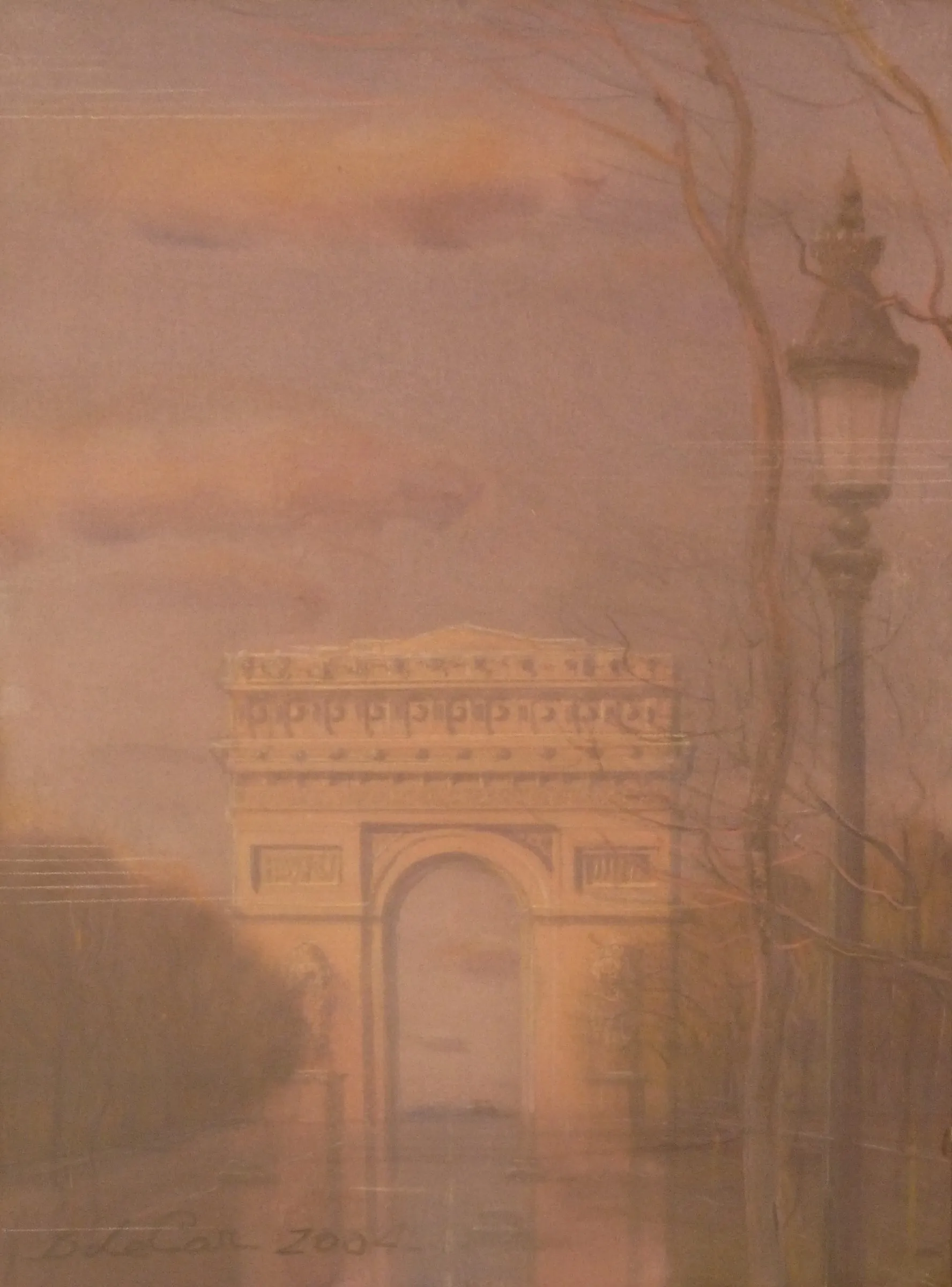
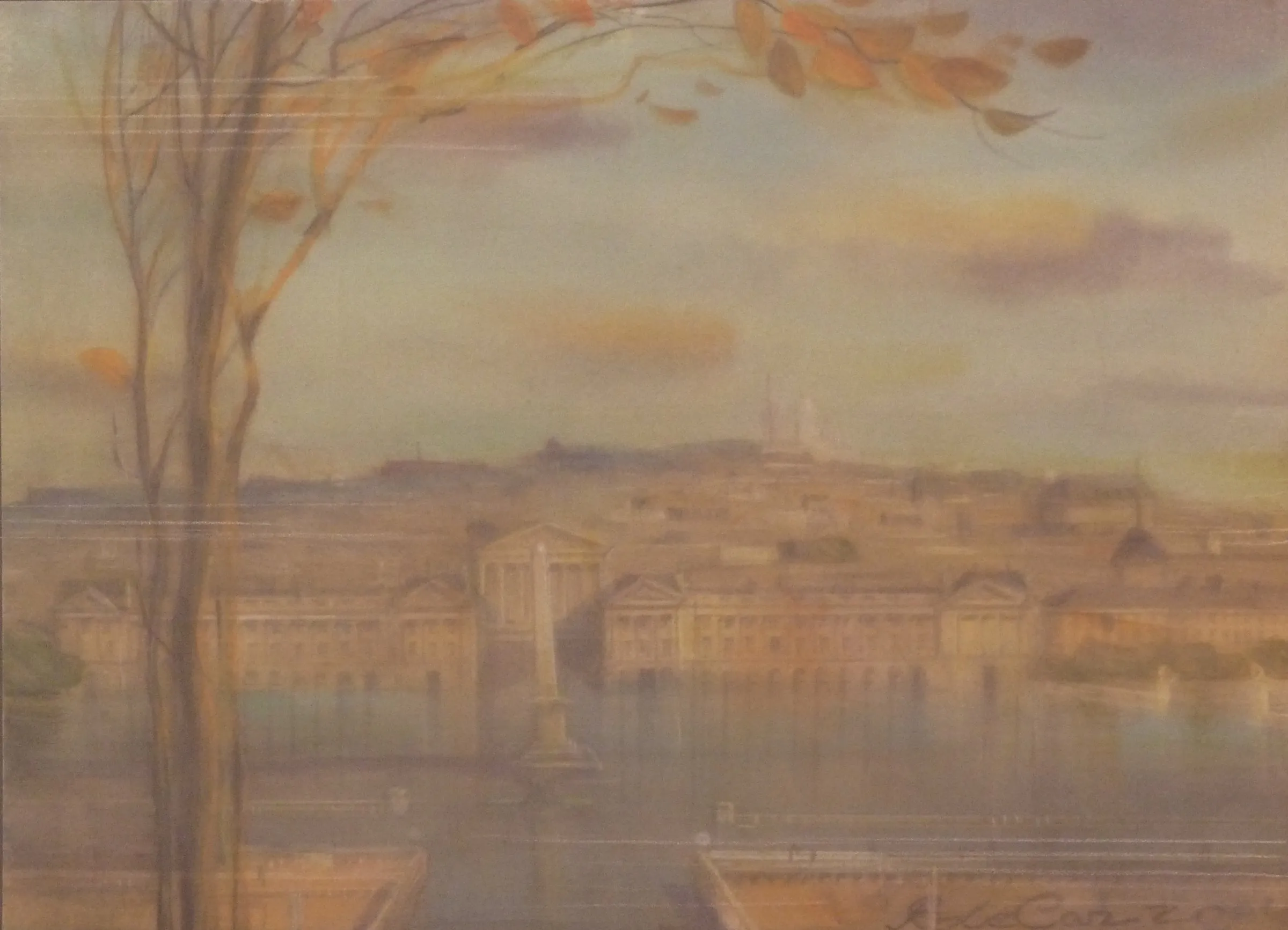
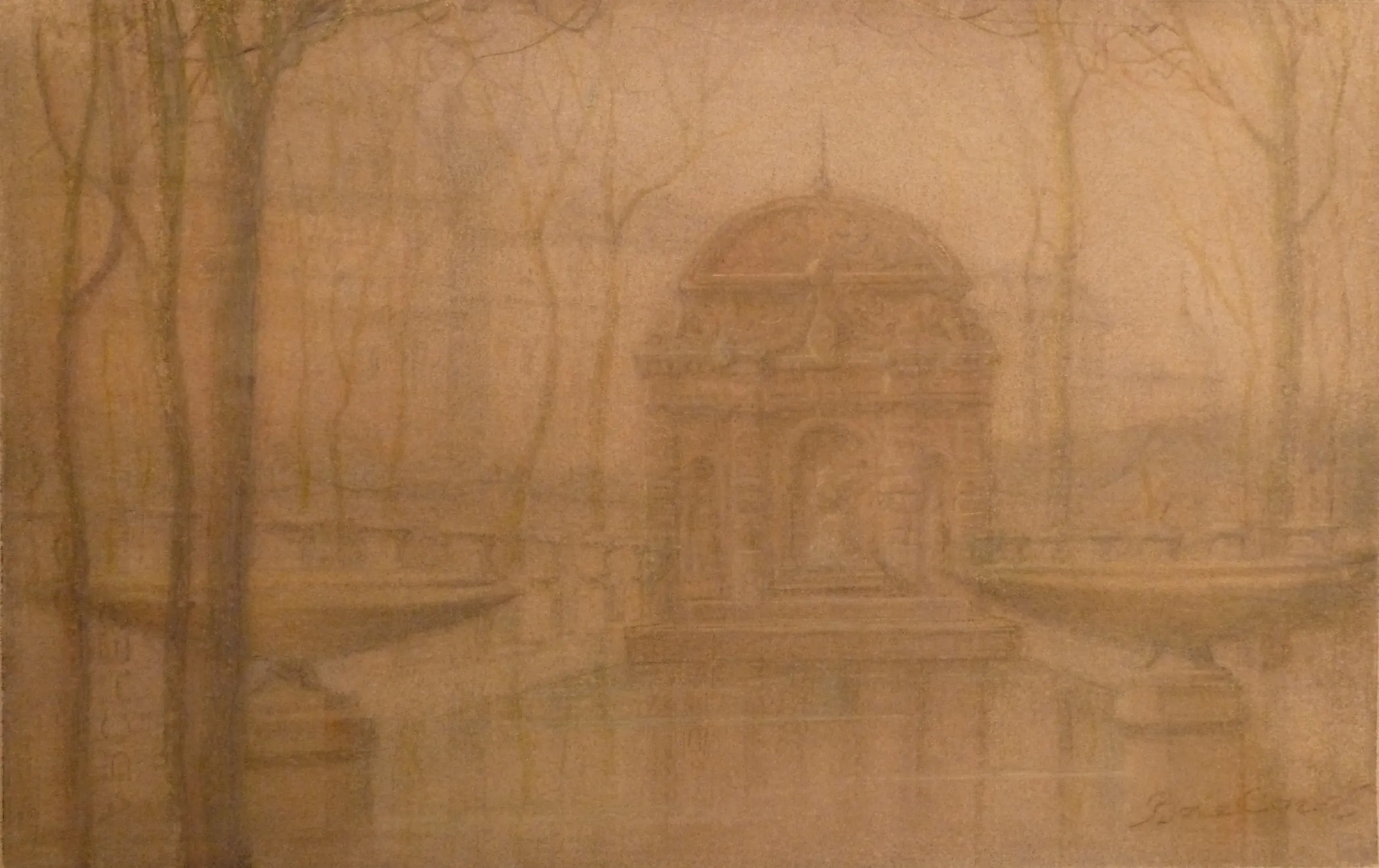
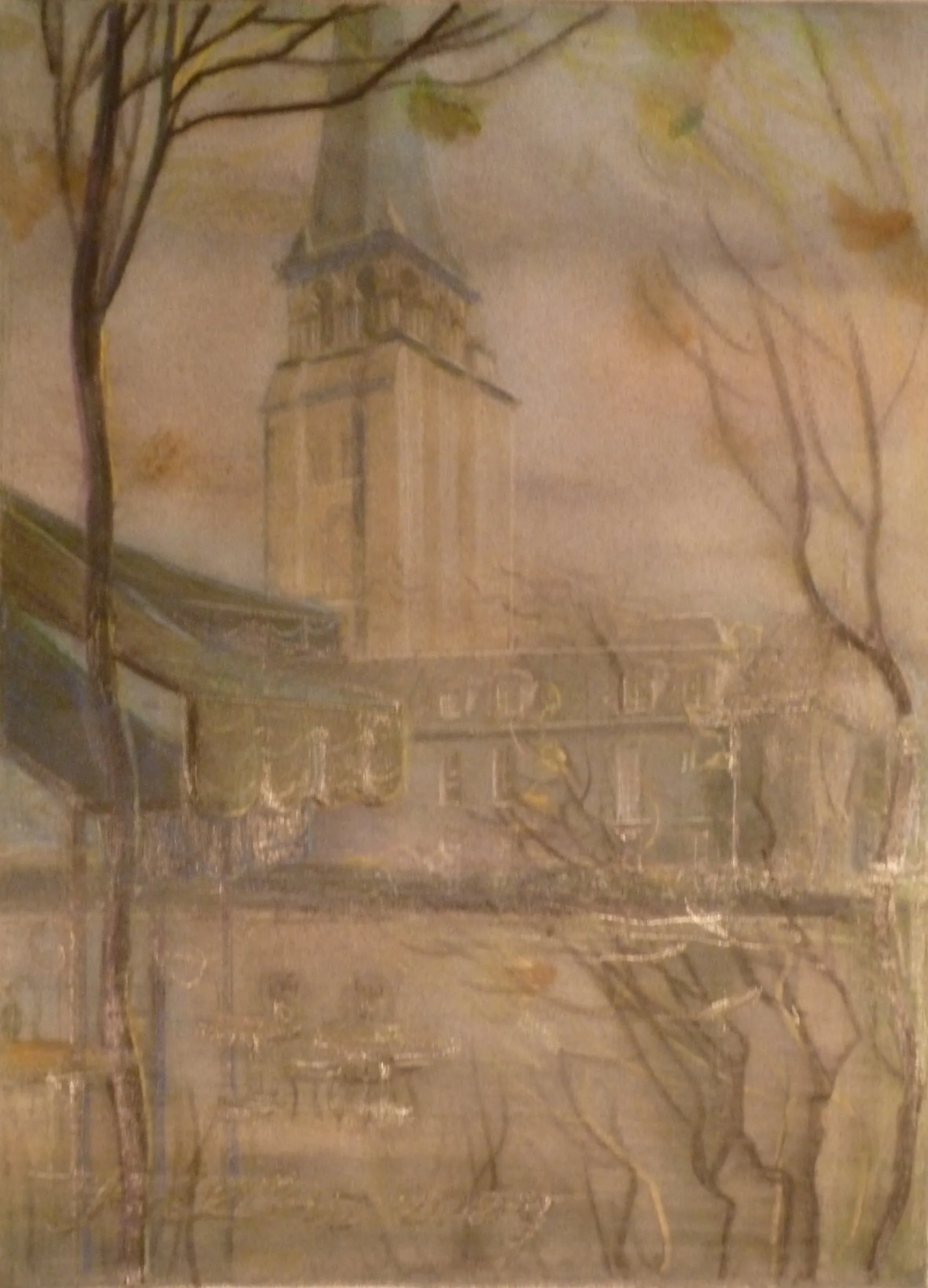
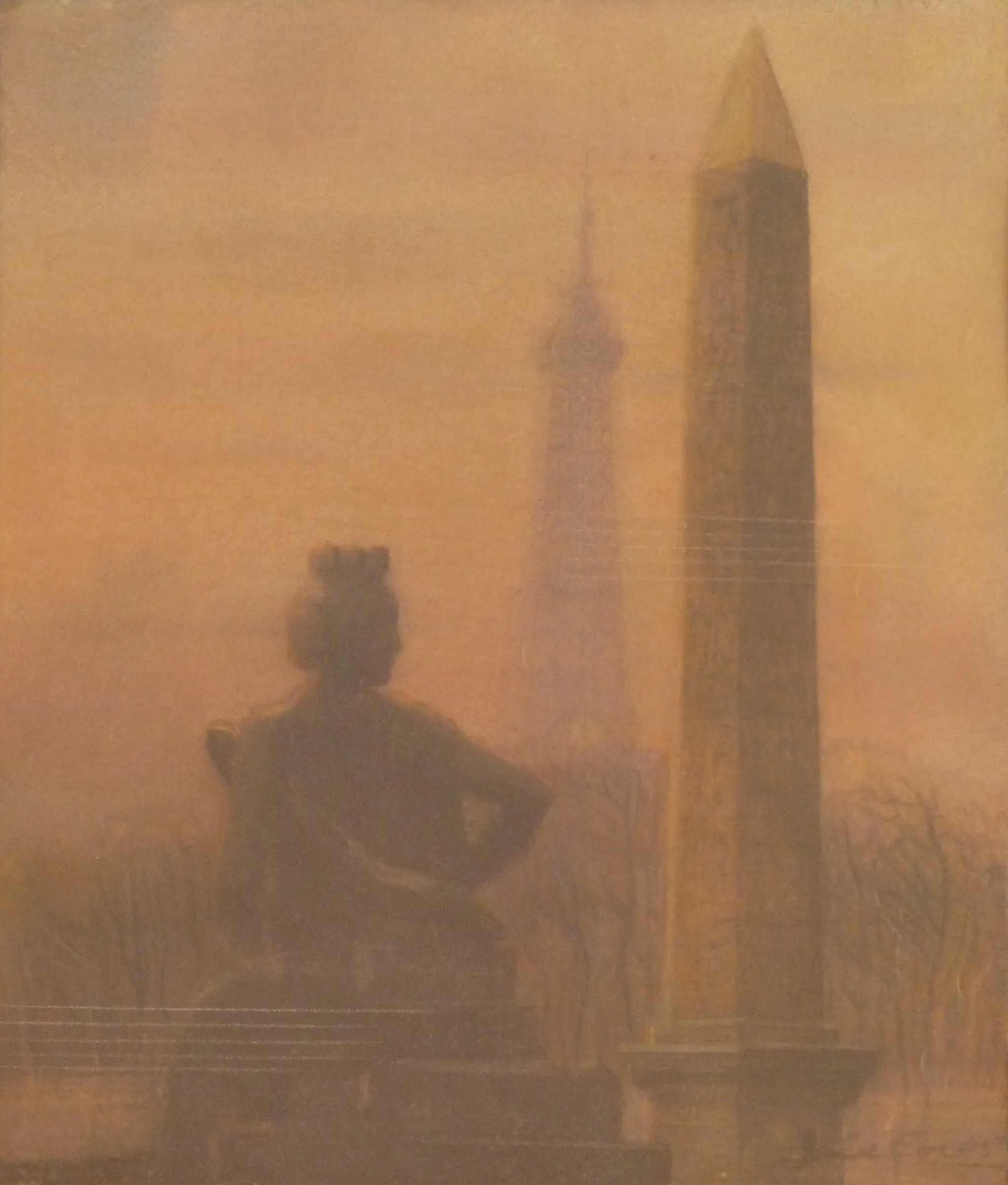
Painted during his residency at the Cité Internationale des Arts. The monuments of Paris (the Opéra, the Vendôme and July columns, the Arc de Triomphe, a gargoyle of Notre-Dame) appear through a veil of mist and late light.
2009
Japan
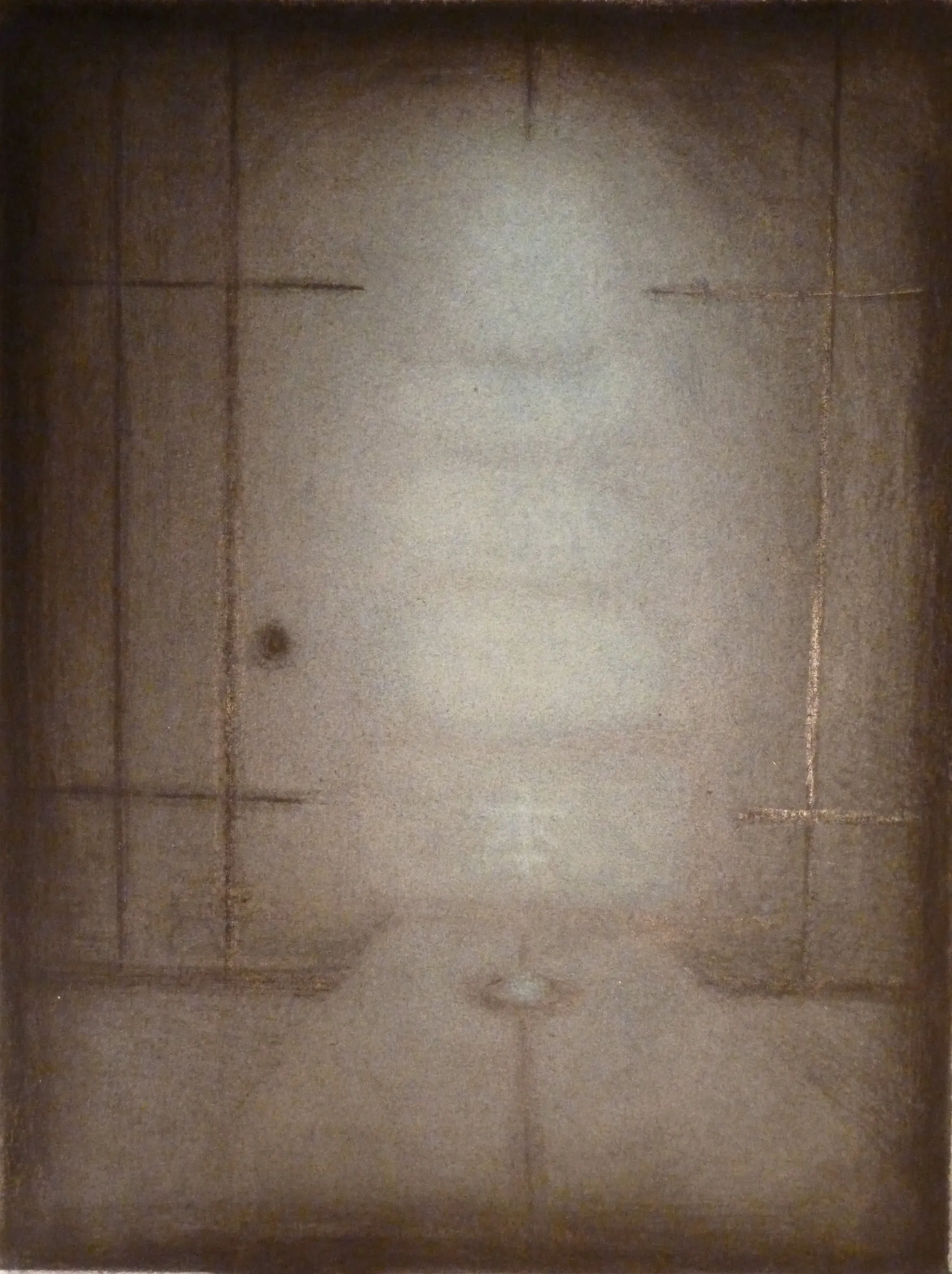
Among his last works: beams, corridors and gardens of light, painted on paper and, at large scale, on silk.